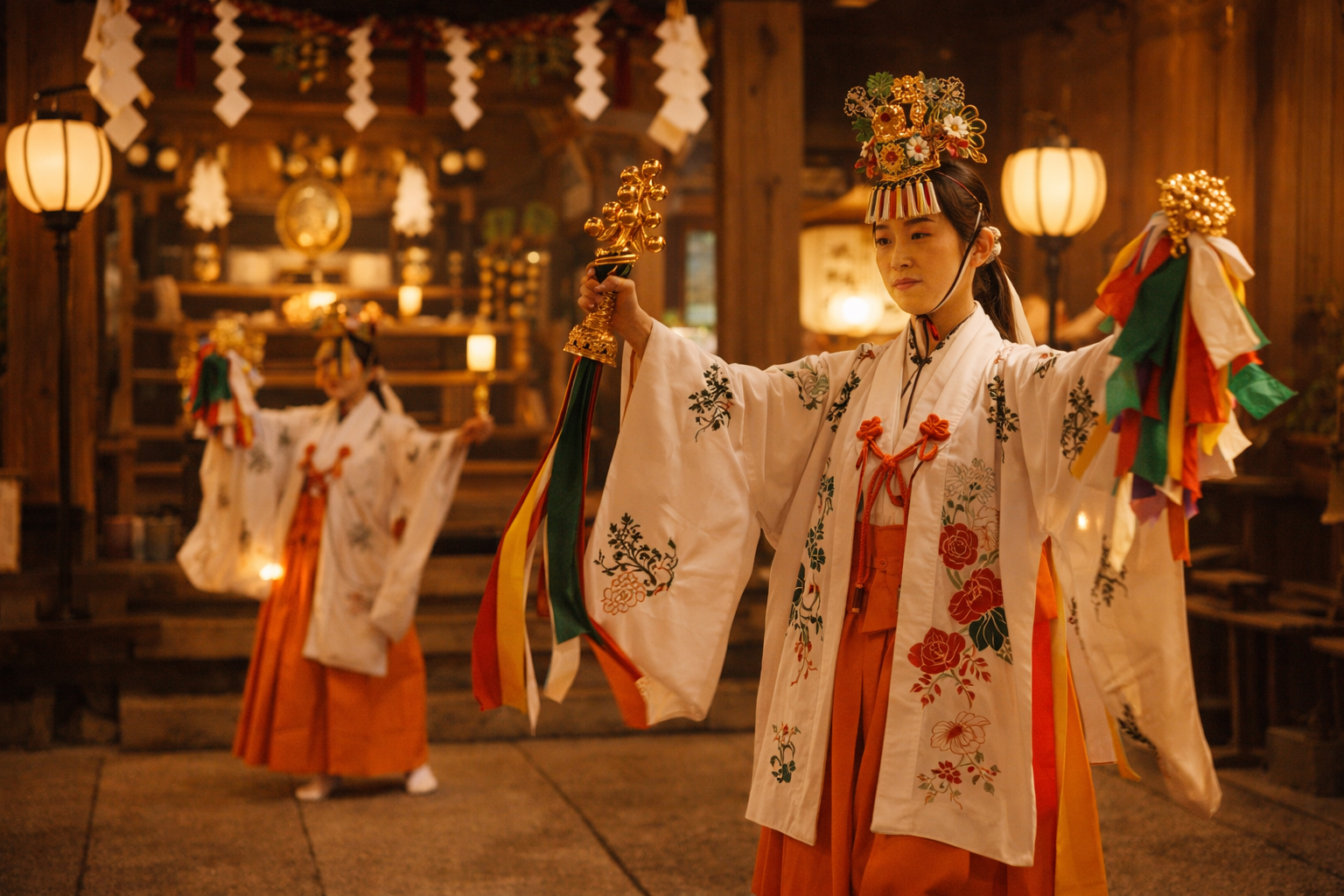
Ancient
Ancient Dance in Japan
The deepest layer of Japanese dance history: myth, ritual, and sacred bodily form.

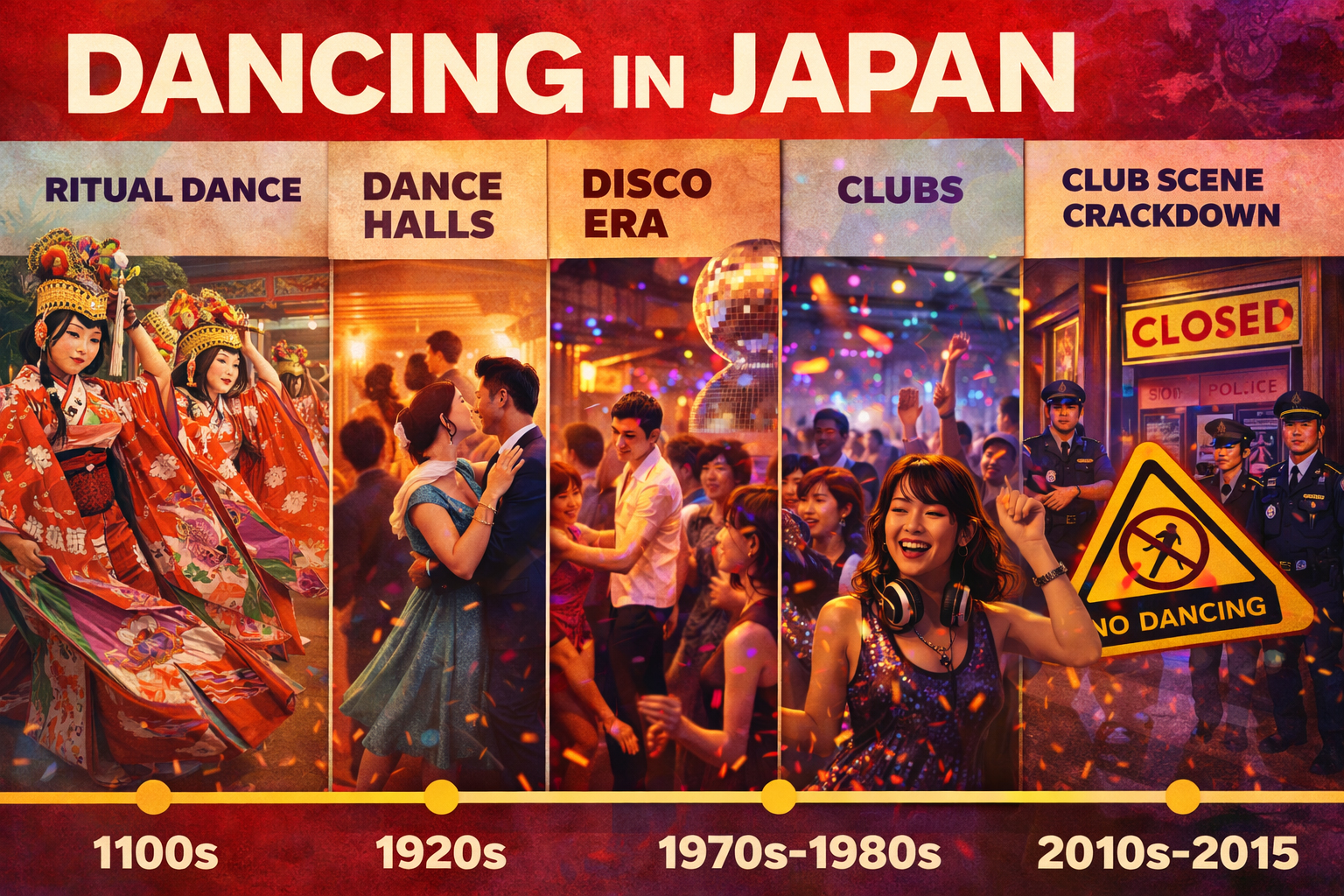
Japanese dance culture did not begin with clubs. It moves from sacred dance and court ritual to communal festival circles, from postwar urban sociability to disco spectacle, bubble-era nightlife, 1990s Tokyo club culture, and the reform-era return of legal dance floors. This section follows that longer arc.
The history section of clubs.co.jp is not only a chronology. It is a way of tracing how bodies in Japan came to move meaningfully: for the gods, for the court, for the community, for the city, and eventually for the night itself.
Dance changes shape from era to era. But the deeper pattern remains: people gather to sound, enter shared space, and create another kind of time together.
From sacred movement to the urban dance floor.
The deepest layer of Japanese dance history: myth, ritual, and sacred bodily form.
The shrine-based sacred branch of Japanese movement culture.
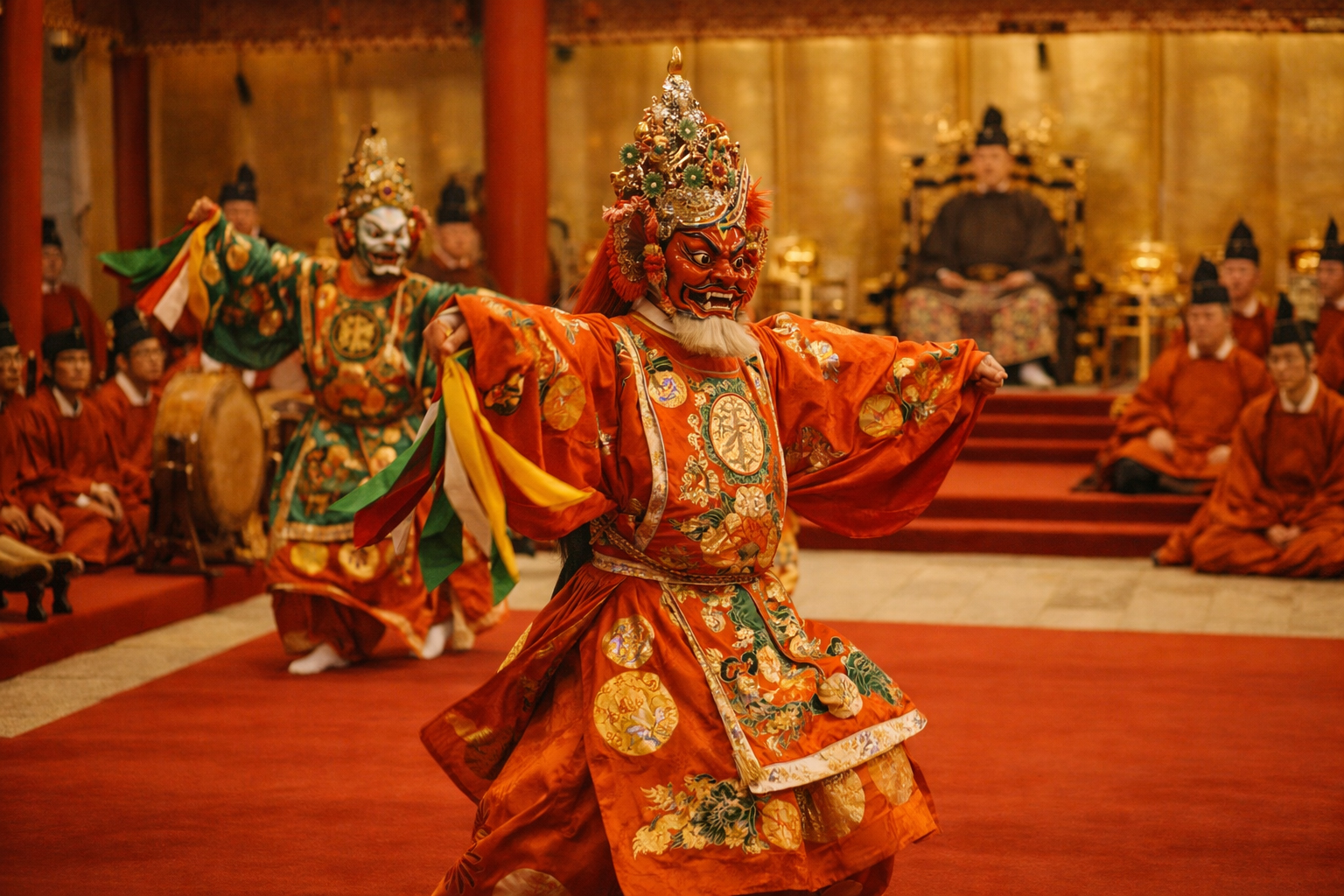
How dance was formalized through imperial ritual, order, and elegance.
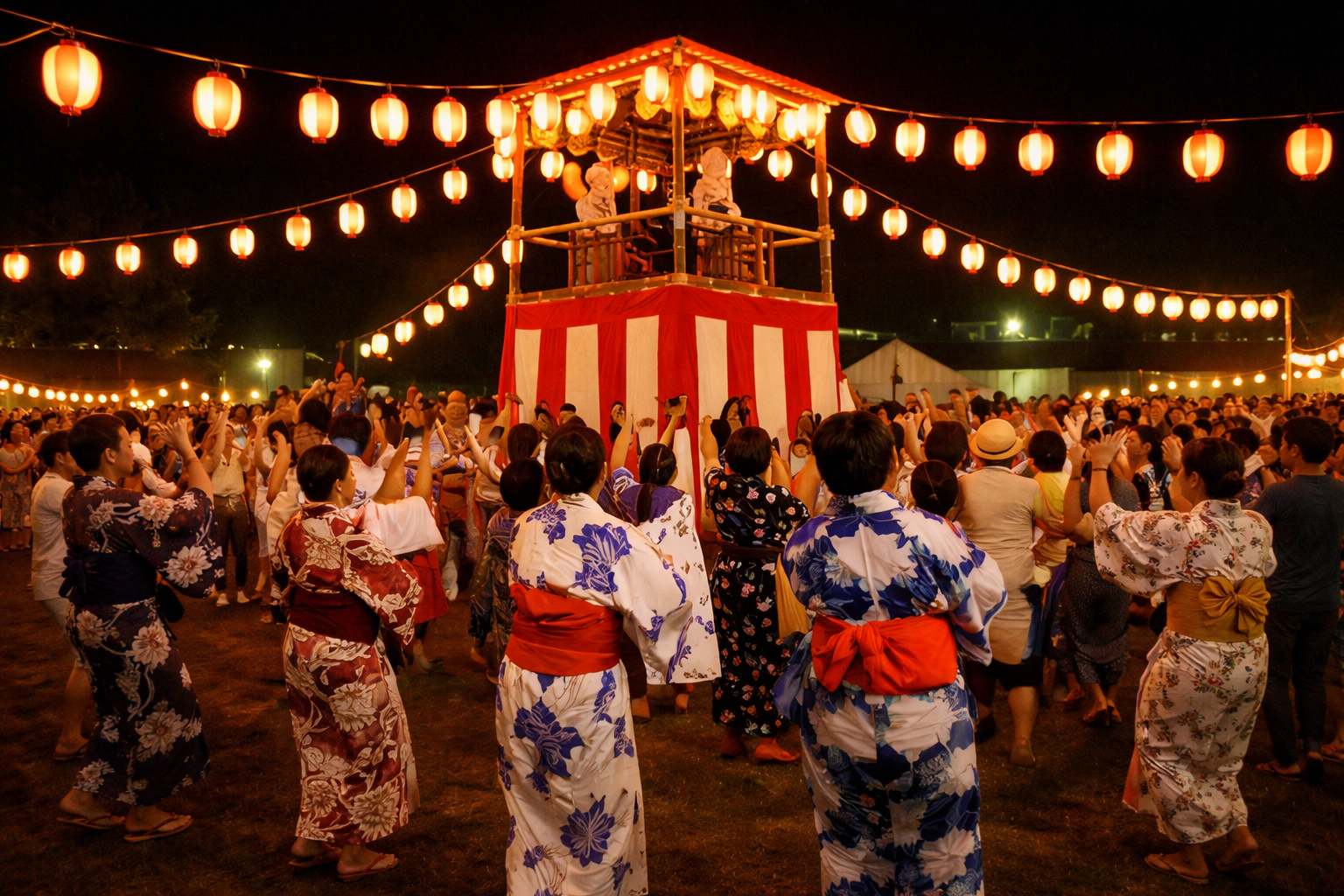
Seasonal and communal dance traditions rooted in memory, region, and participation.
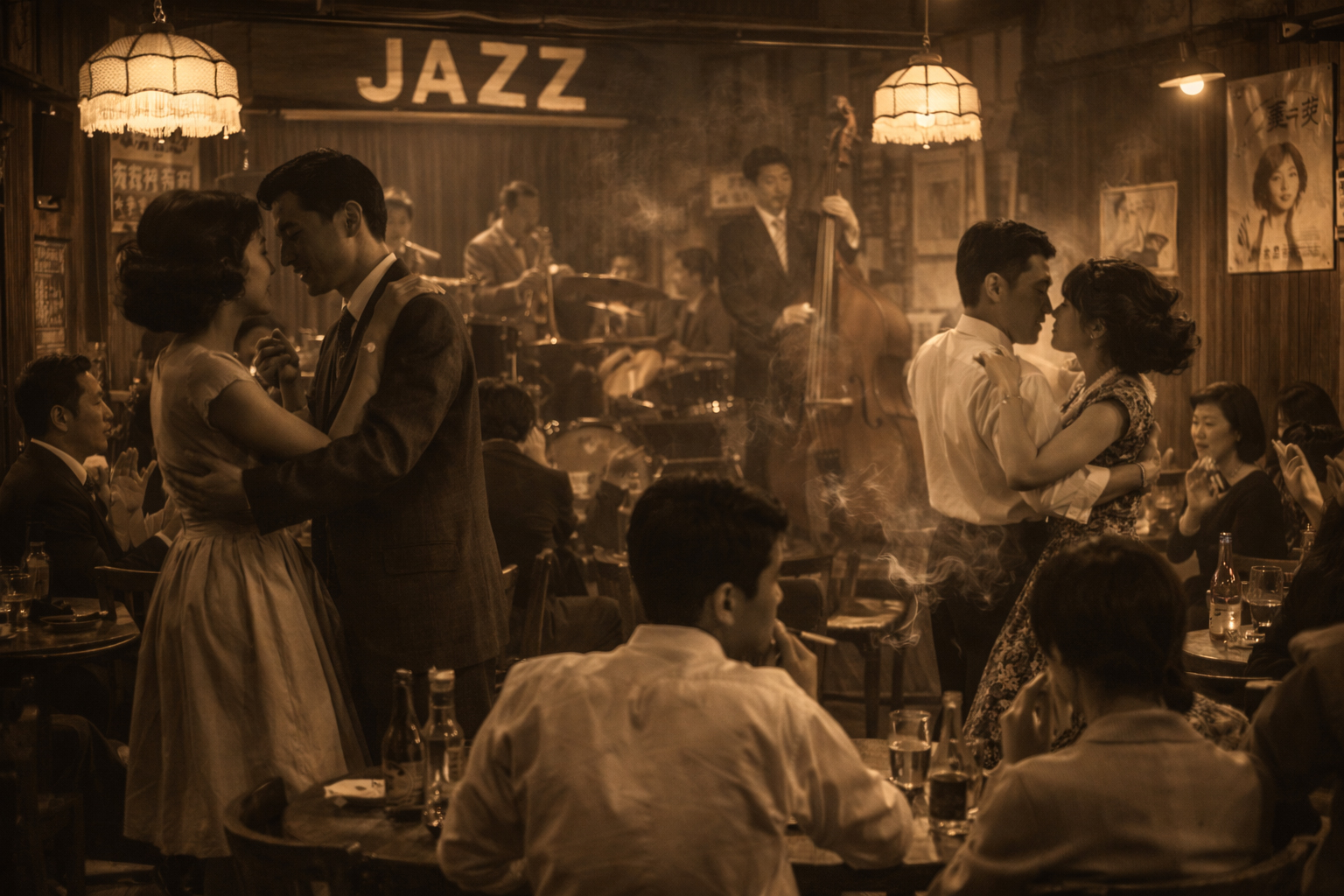
How the modern city first learned to listen seriously and move socially.
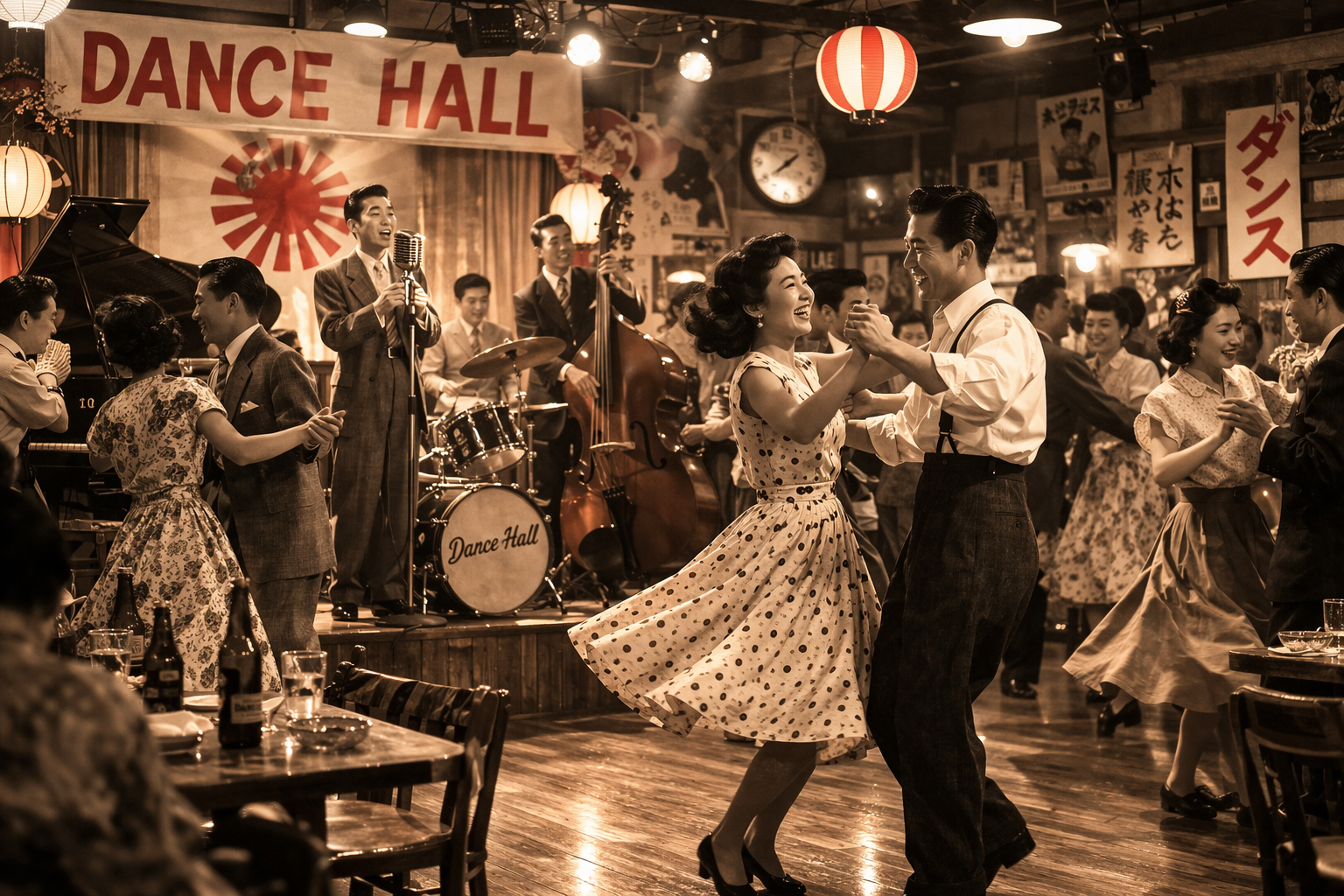
The floor where postwar Japan relearned music, proximity, and urban sociability.
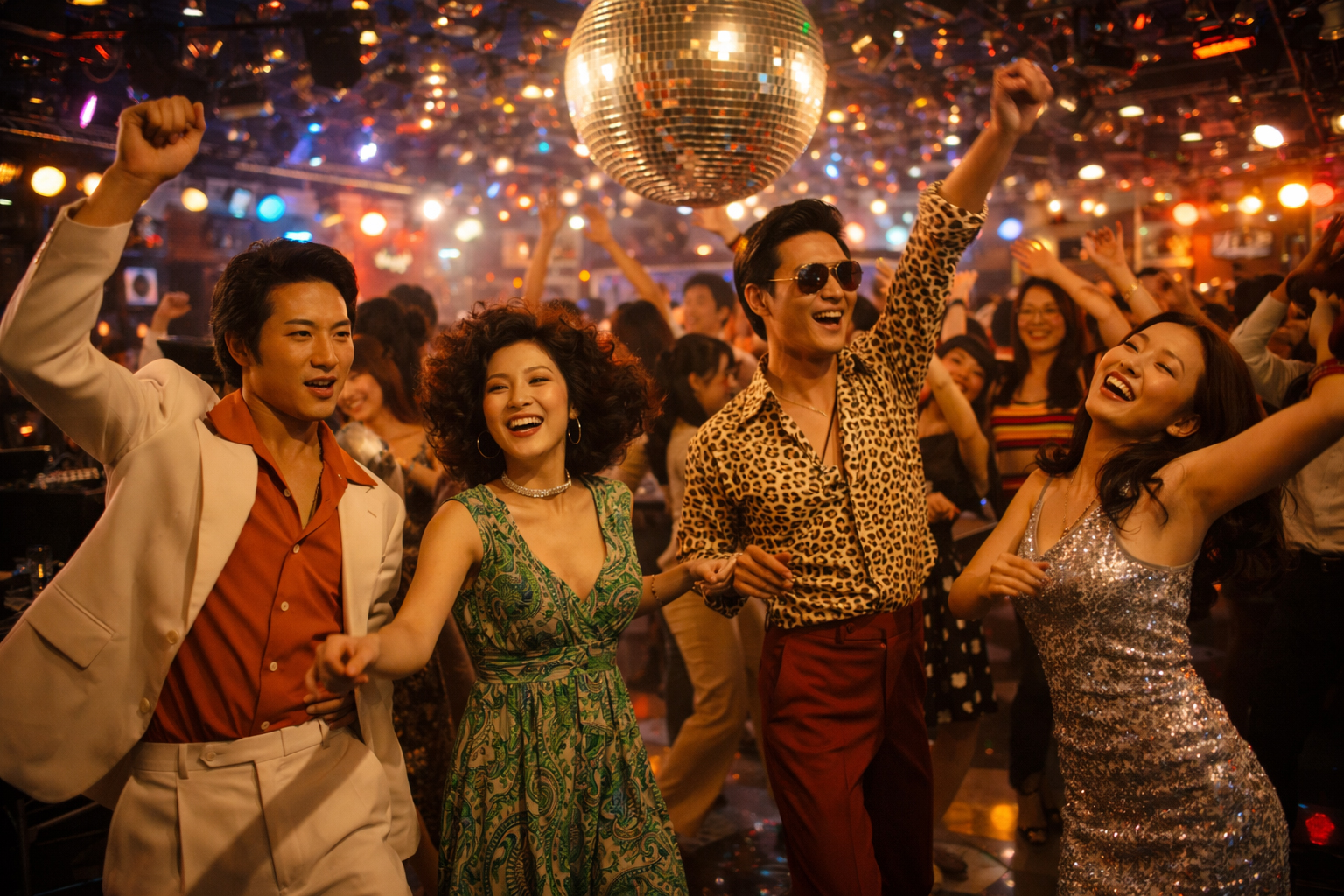
The rise of spectacle, nightlife display, and the bodily logic that fed later club culture.
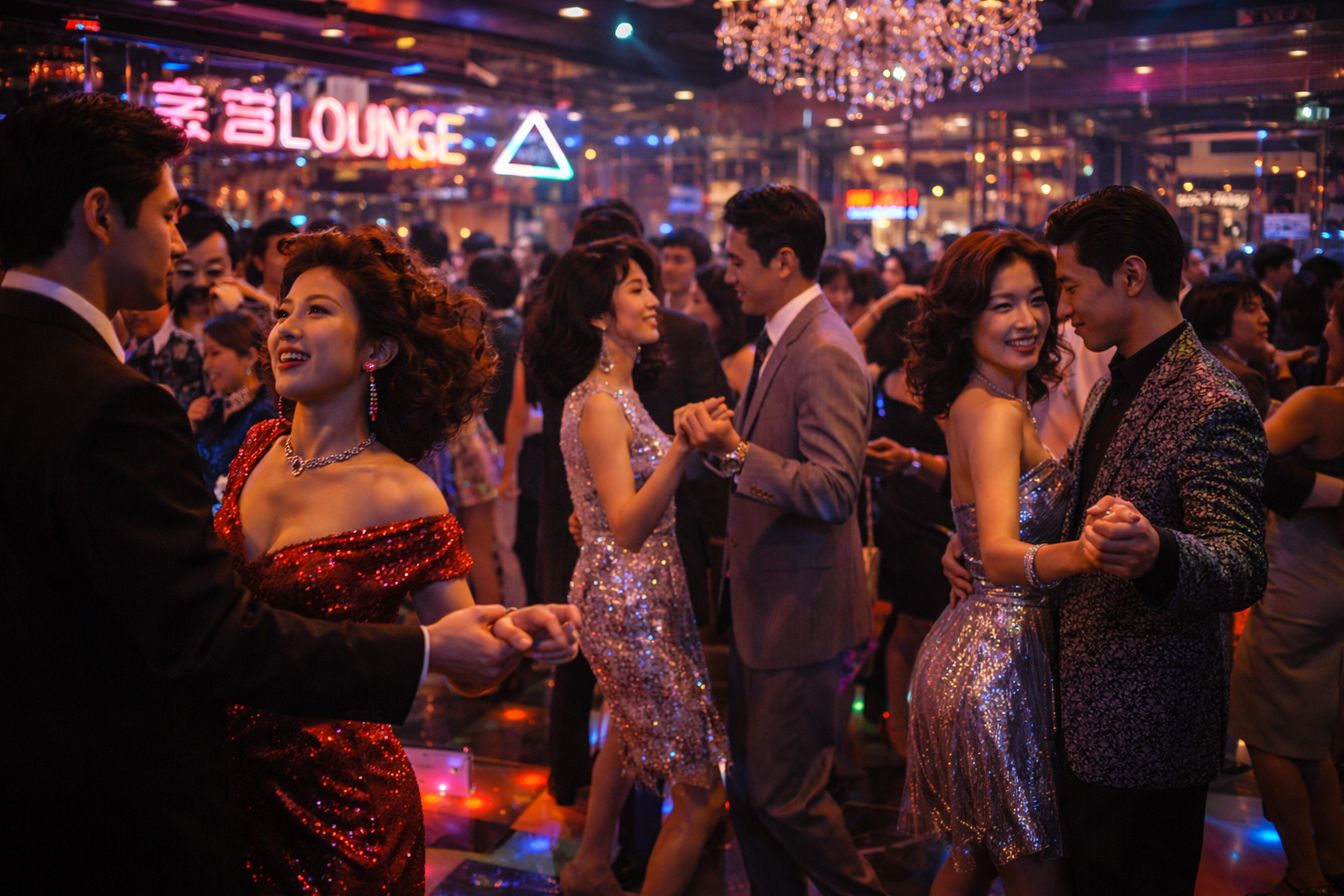
The moment when economic exuberance turned the night into urban theater.
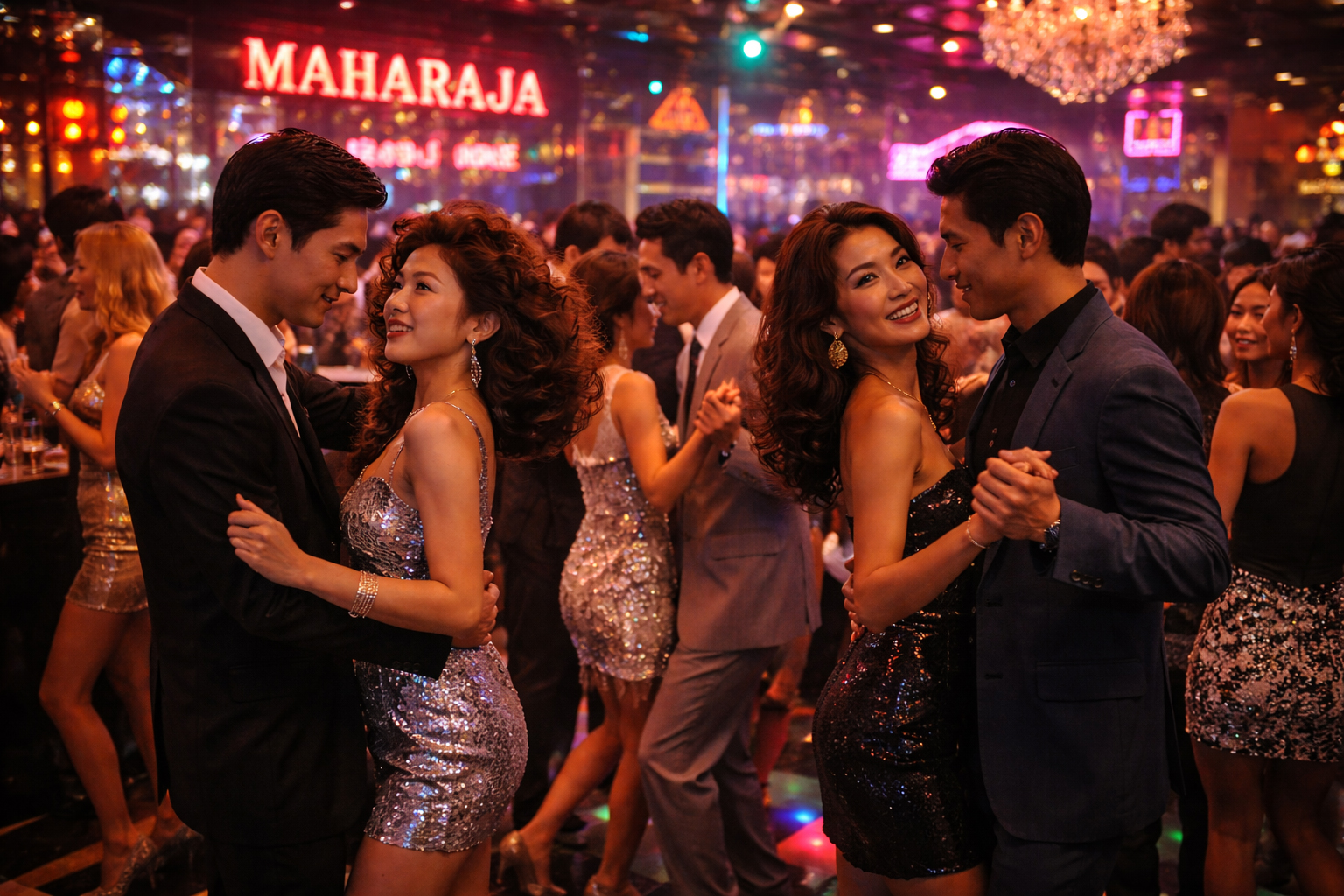
The district where Tokyo’s international confidence and bubble-era nightlife became most visible.
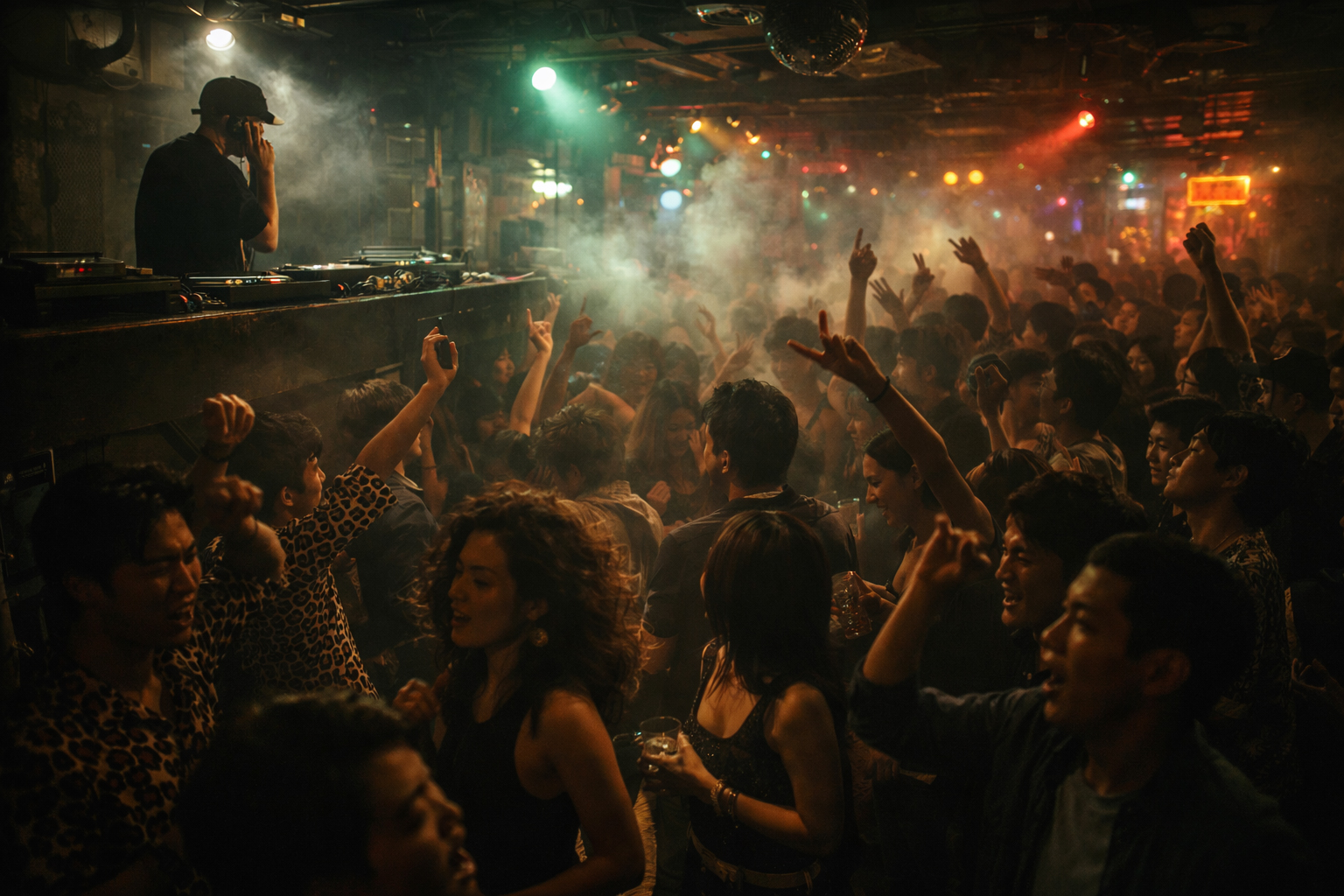
One of the great golden periods of Japanese club culture, balancing spectacle and underground depth.
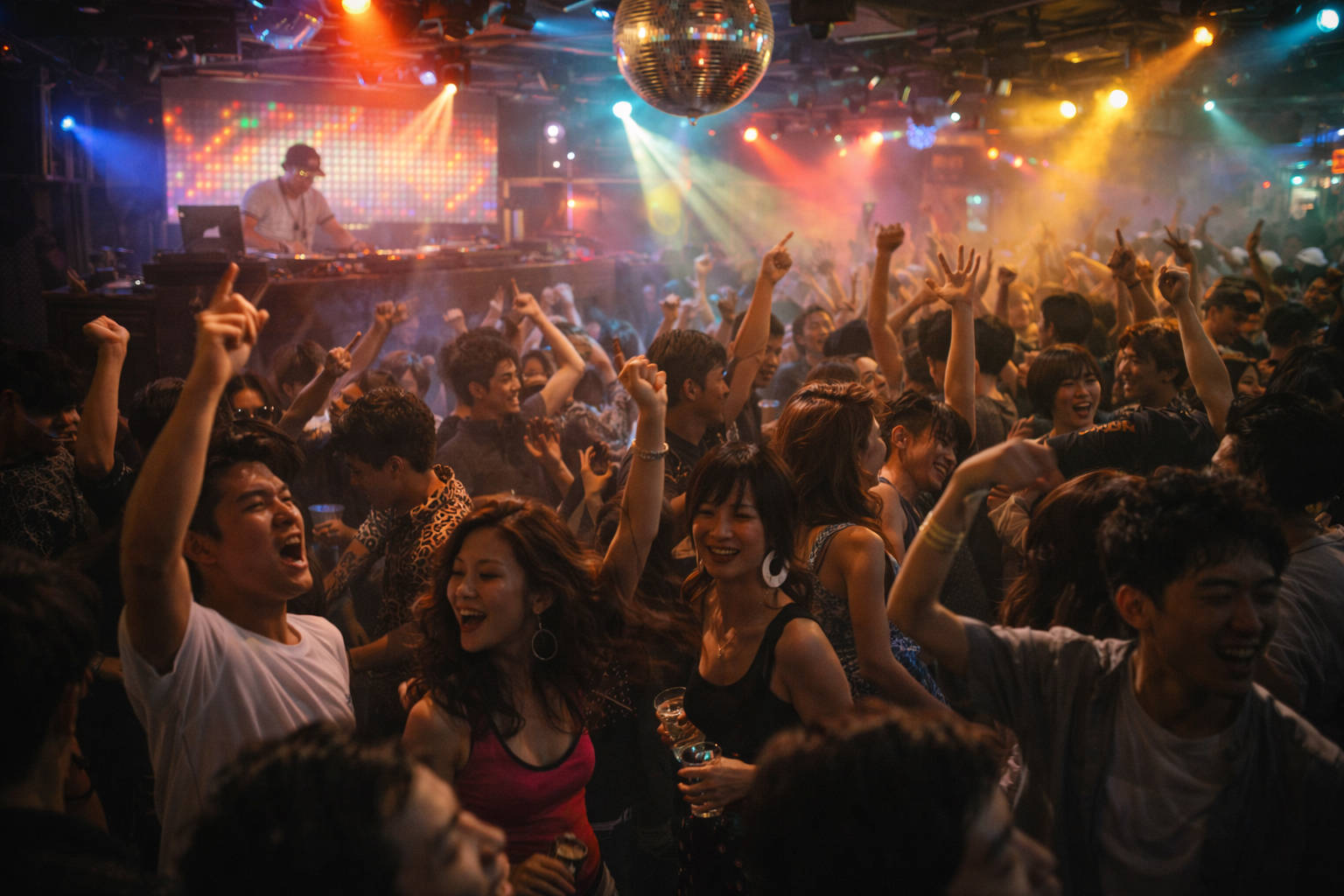
Another major electronic circuit, marked by a more industrial and human underground feel.
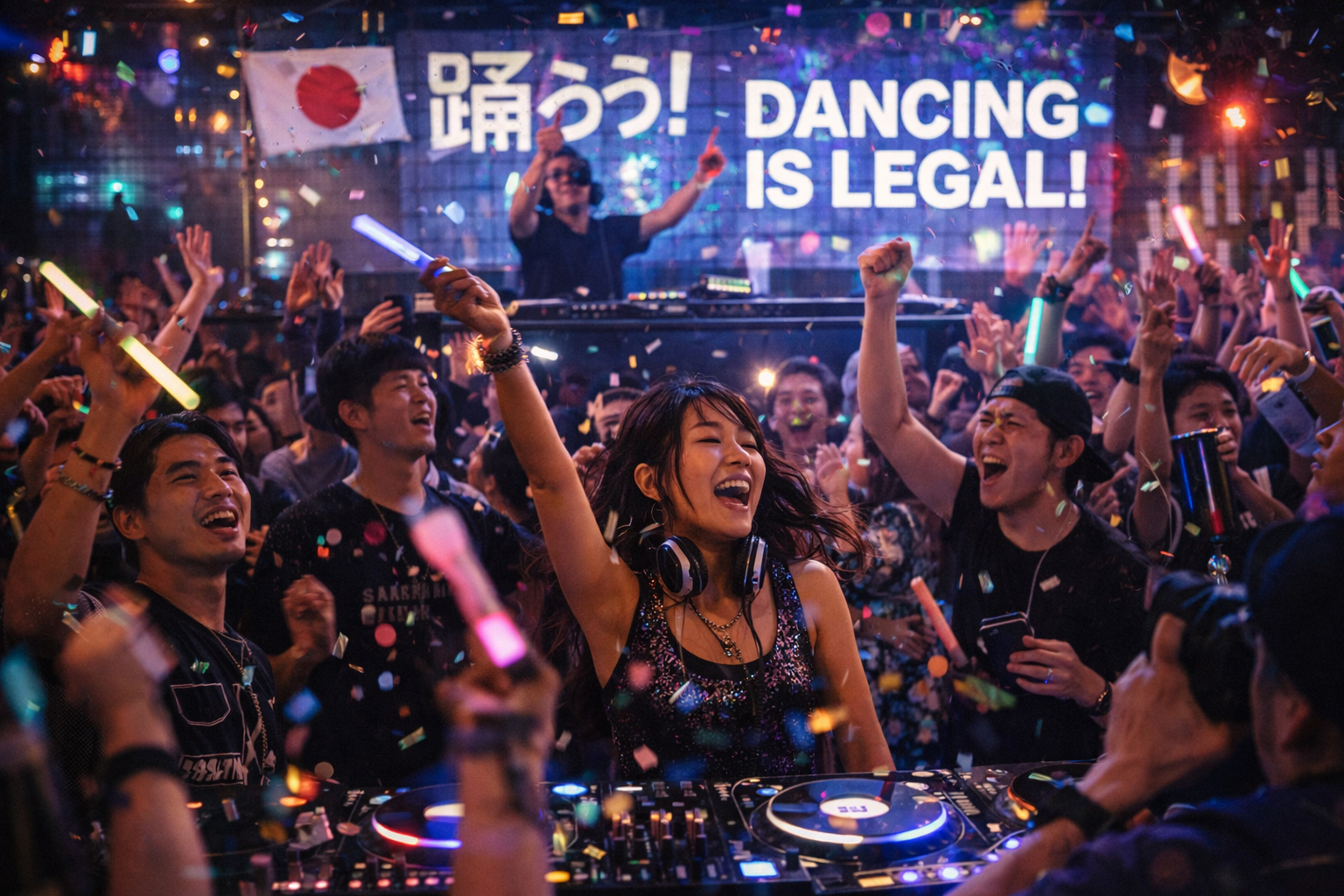
How legal reform and cultural pressure helped restore public legitimacy to dance at night.
This section can be read through three main lines. One follows sacred and court dance. One follows community and seasonal dance. One follows the city, disco, clubs, and the law.
They are different paths, but they keep touching. The Japanese night has always used bodies to create time, mood, and shared space.