Style
Nightlife Fashion and City Energy
How clothing, neon, posture, and urban speed help create the feeling of the night.
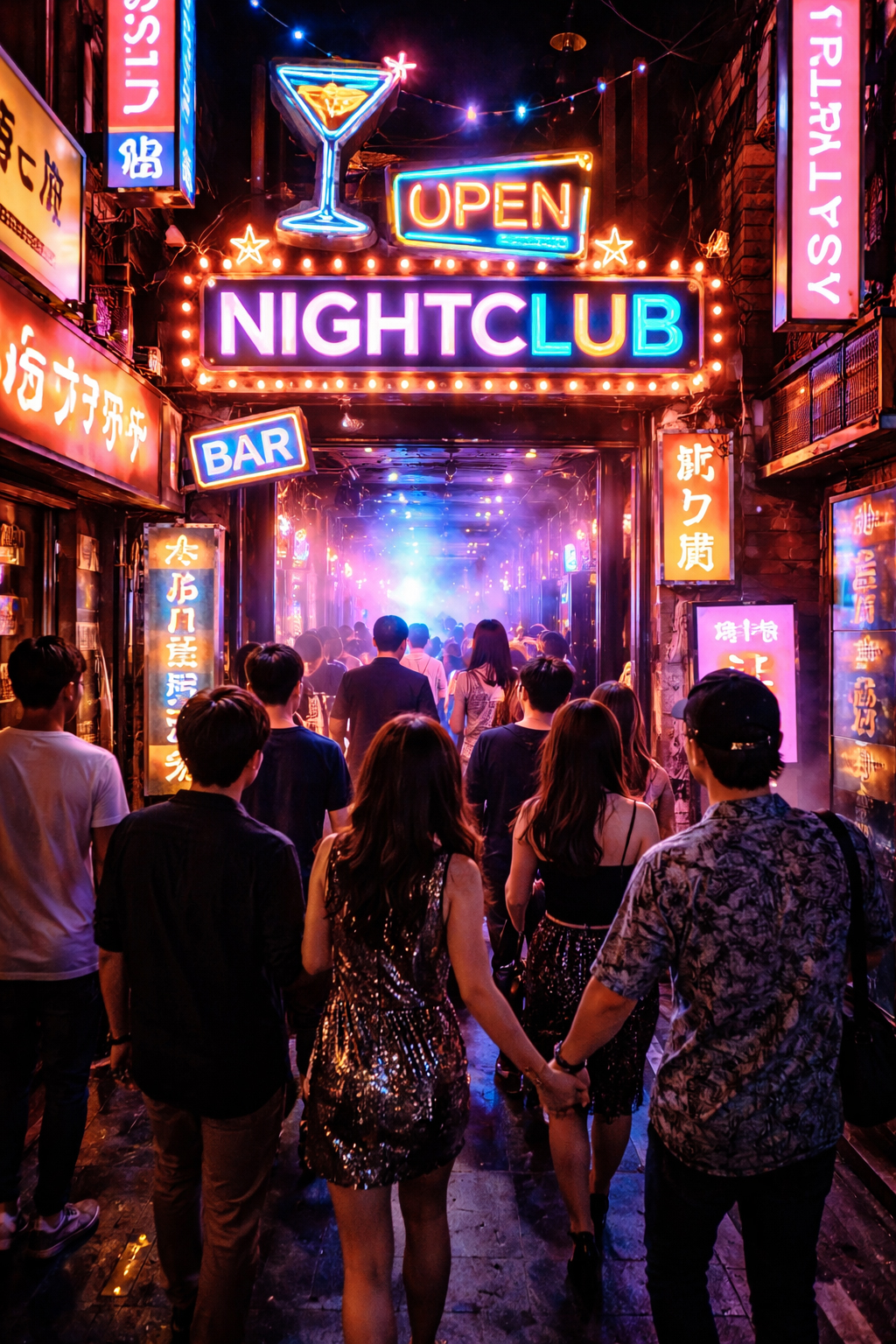
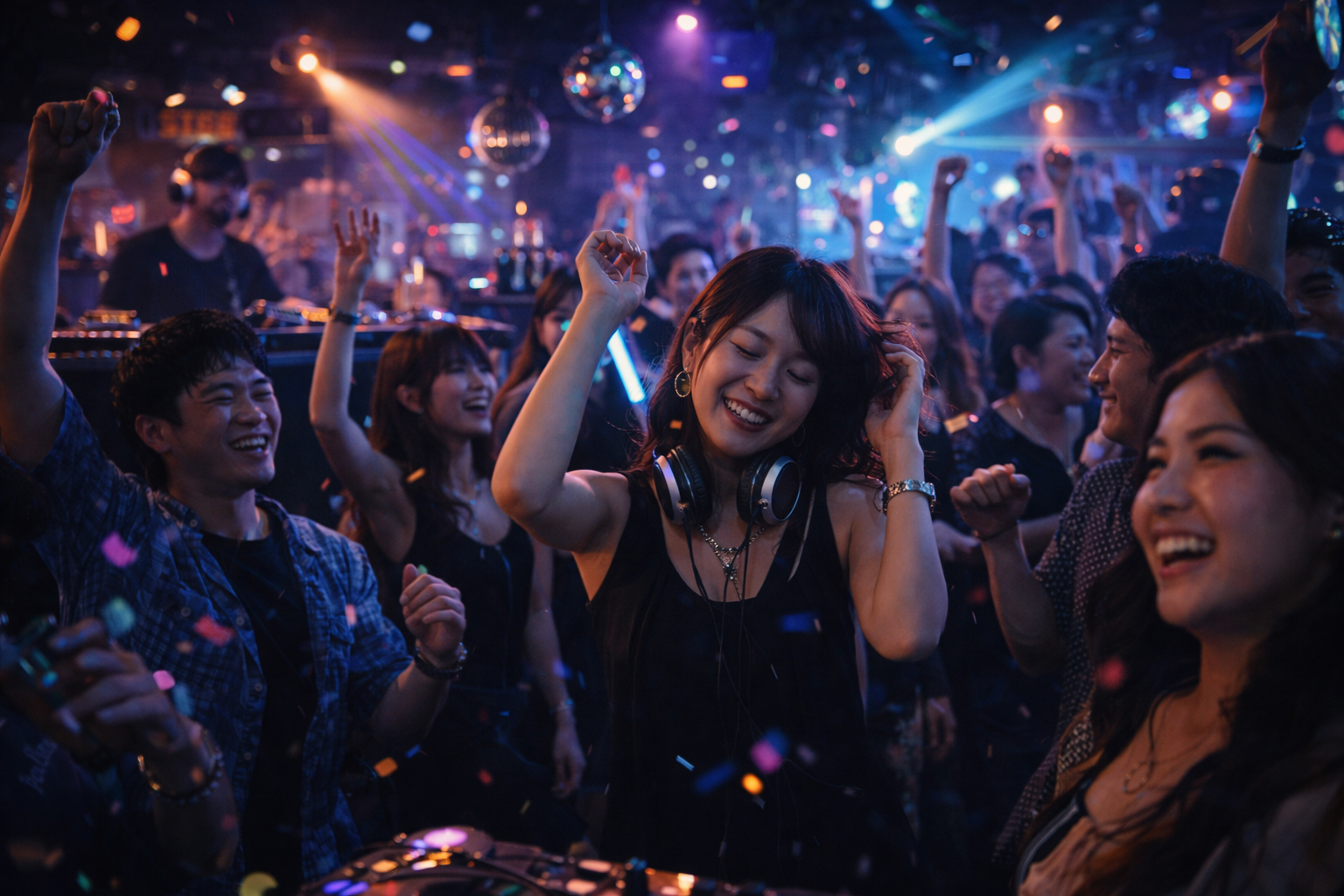
Nightlife does not end at the club door. It also lives in fashion, DJs, bars, live houses, festivals, yukata, street energy, and the way people move through Tokyo after dark.
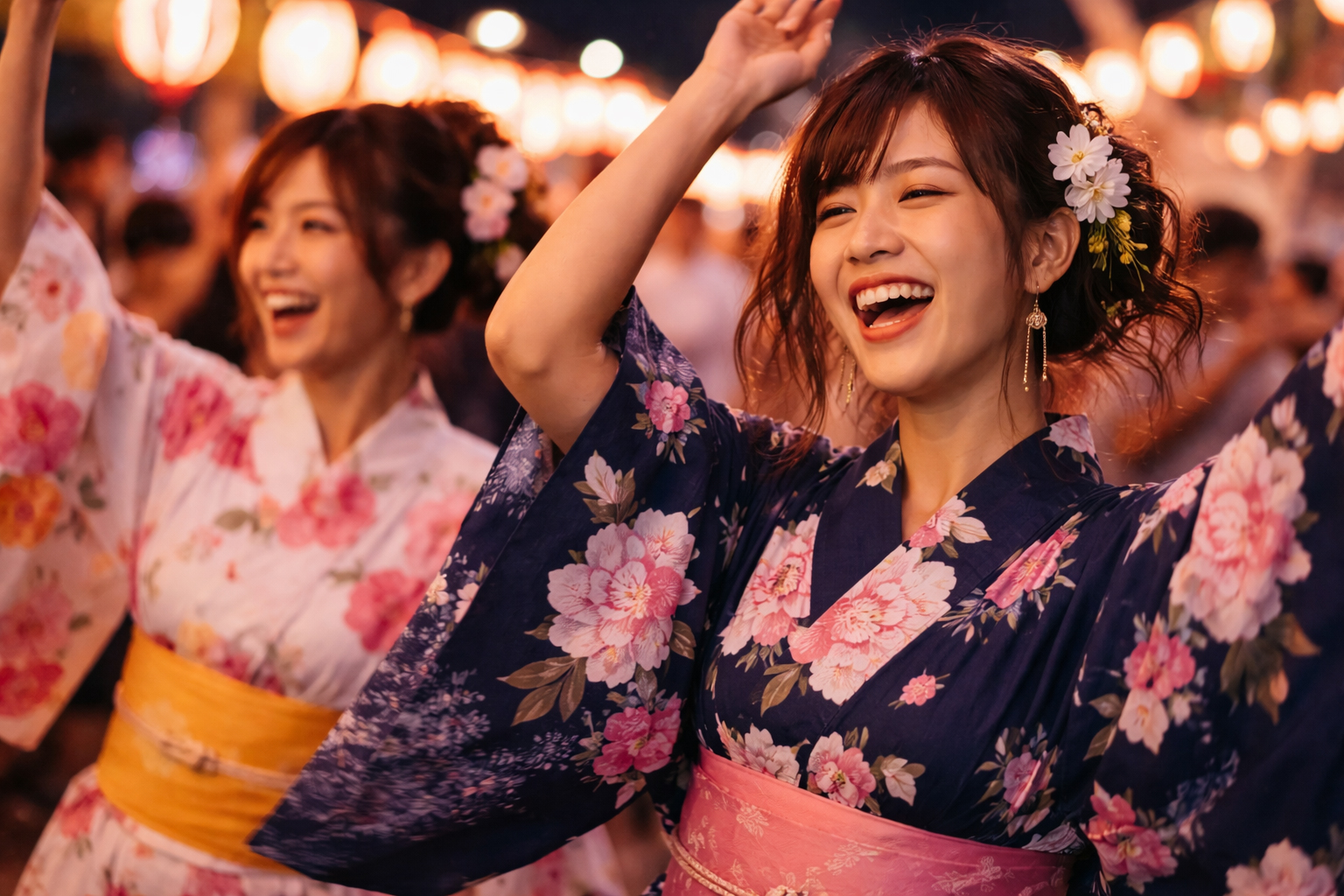
The culture section of clubs.co.jp is where Japanese nightlife gets read not only through dates, laws, or venue history, but through atmosphere itself. These pages look at what exists outside the clean historical timeline: why one district feels different from another, why DJs matter so much, why bars and live houses belong in the same story as clubs, and why yukata and Bon Odori also deserve a place in any serious map of Japanese nights.
Japanese nightlife is part urban aesthetics, part body culture, part social ritual, and part seasonal memory. This section opens that wider view.
Style, rooms, DJs, festival nights, and the wider Tokyo nightlife map beyond clubs.
How clothing, neon, posture, and urban speed help create the feeling of the night.
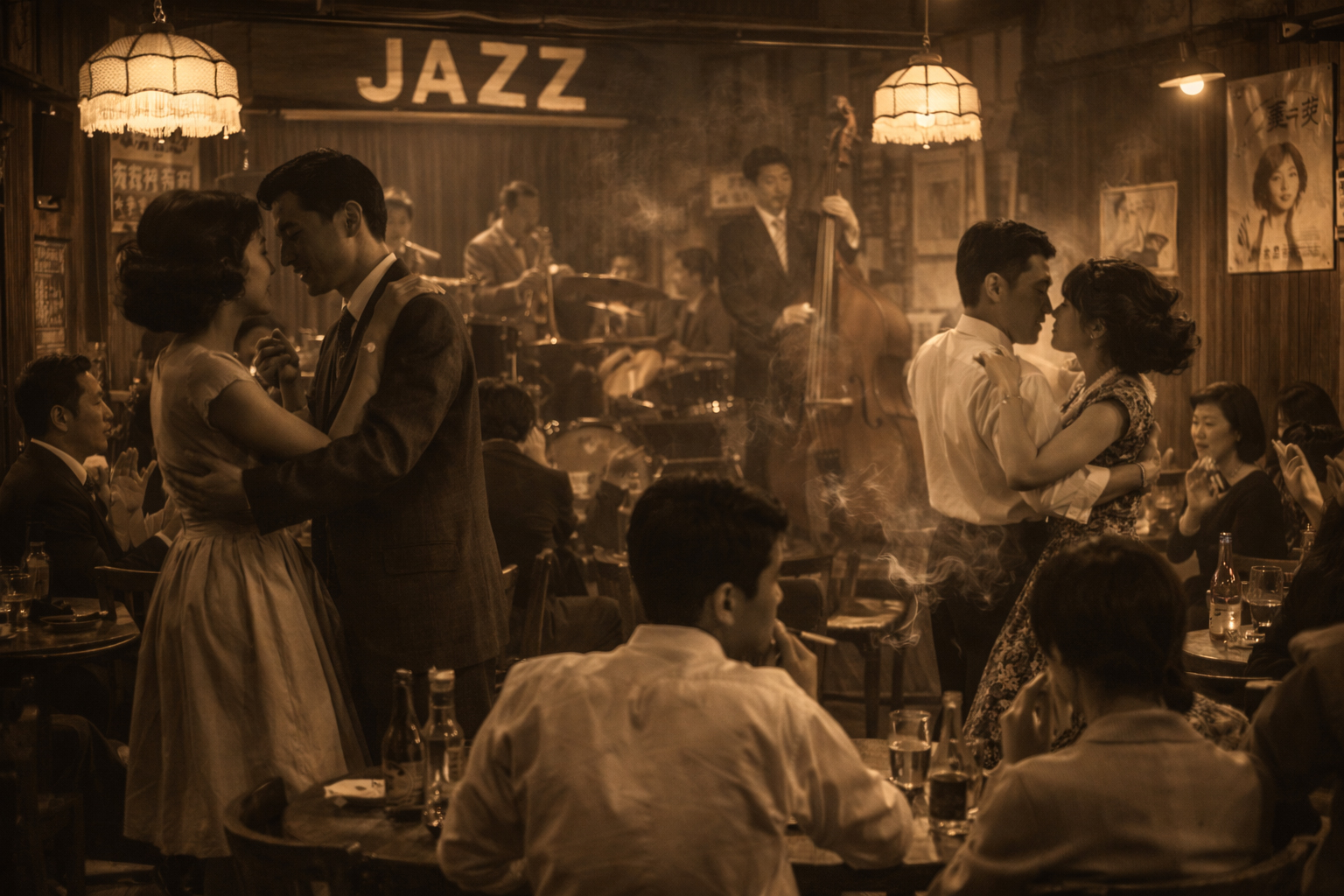
The range of Japanese nightlife rooms beyond the obvious club format.
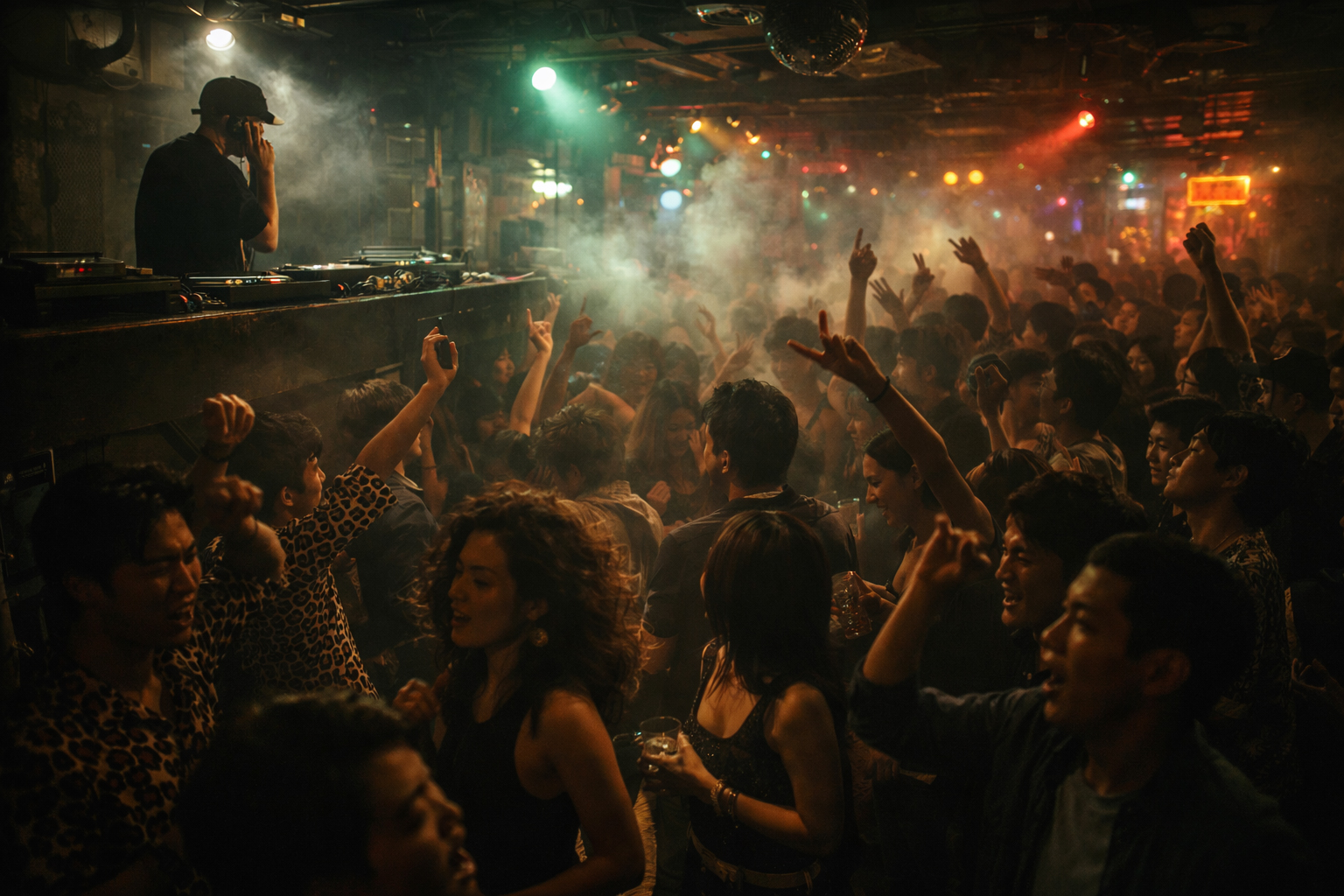
Why the people in the booth often determine what survives in nightlife memory.
If the history section follows time, the law section follows regulation, and the memoir section follows lived memory, then the culture section follows feeling. It holds the harder-to-measure elements: look, pace, room logic, social texture, seasonal atmosphere, and the embodied experience of Japanese nightlife.
Japanese nights are not just entertainment. They are a total urban and human art form.
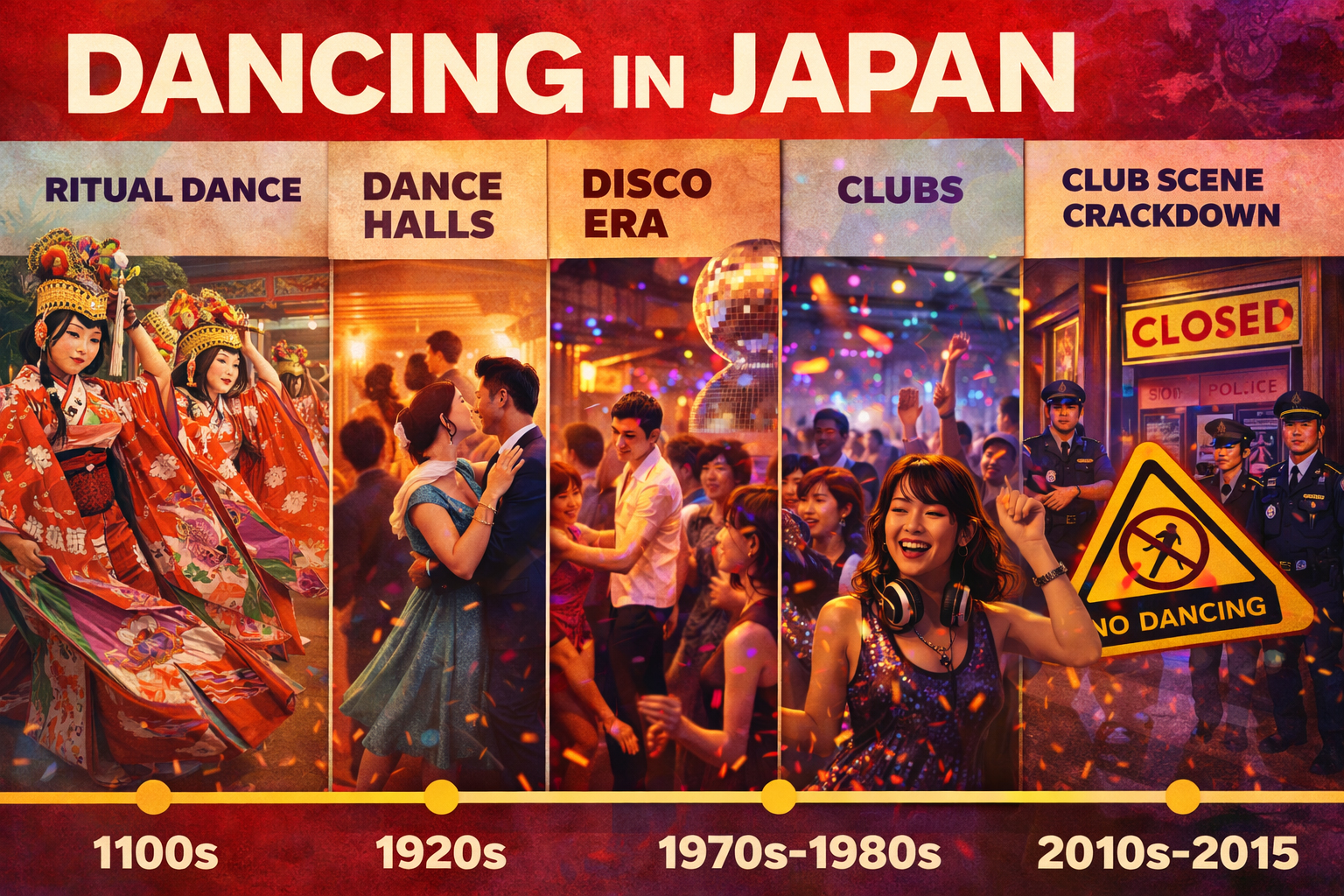
Music matters, but so do lighting, clothing, posture, timing, and how people mix.
Tokyo’s nightlife makes the most sense when read through movement between places, not only the places themselves.
Bars, live houses, festivals, and sidewalks all belong inside the real map of Japanese nightlife.
From culture, move outward into history, law, and memoir.