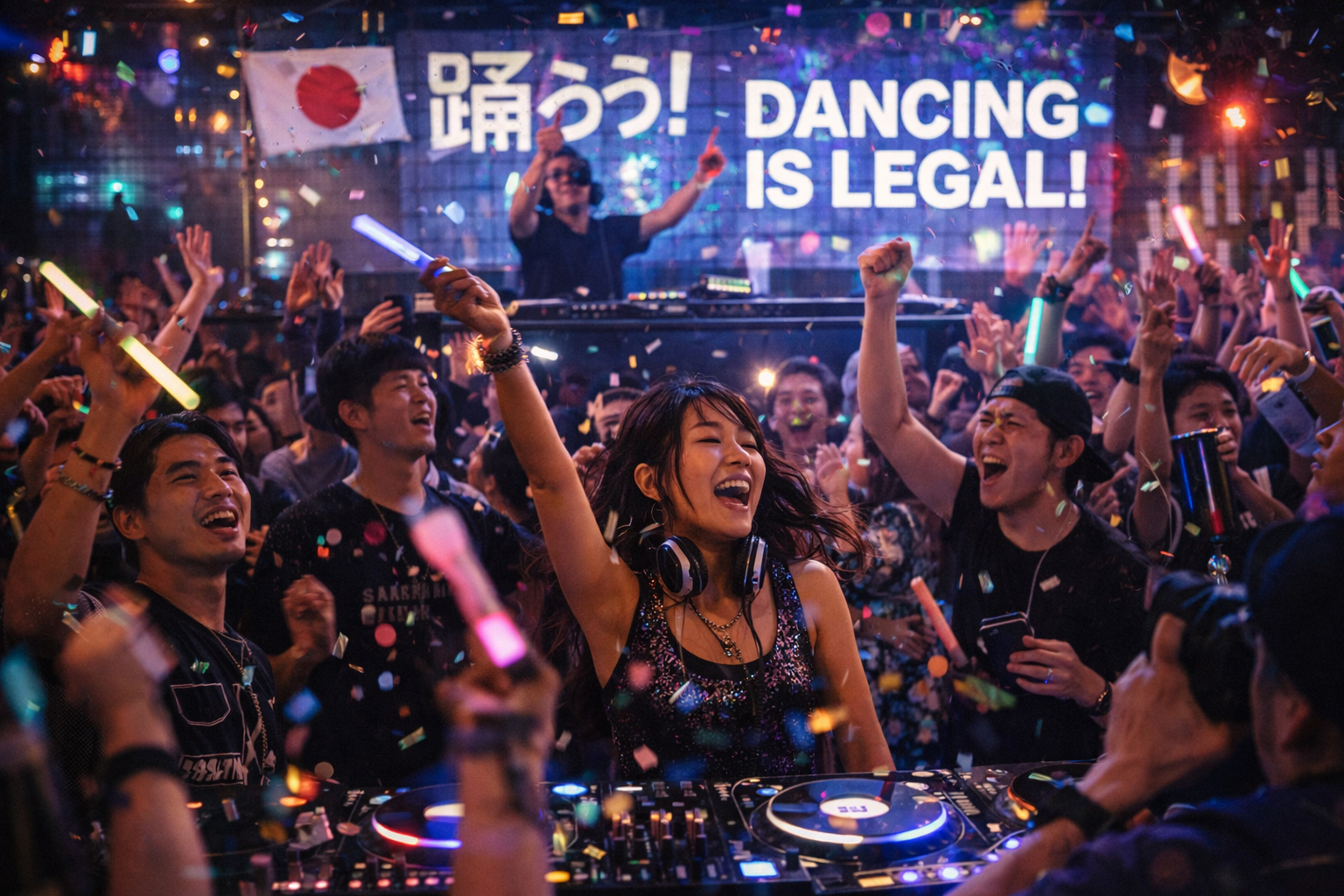
Law
The 2015 Reform
The legal turning point behind the broader sense that dance was returning to public legitimacy.

Dance did not literally disappear from Japan and then suddenly reappear. It stayed alive in real rooms the whole time. But in the middle of the 2010s, something important did return: the public legitimacy of dancing at night.
“Dance returns in Japan” is a dramatic phrase, and in one sense it is not literally true. Dance itself never vanished. Clubs, live houses, small rooms, and nightlife scenes kept carrying music and bodily response all along.
But the phrase still matters. For a long time in Japan, dancing at night was easier for institutions to treat as something suspicious or manageable than as an ordinary part of urban culture. When that contradiction became fully visible in the early 2010s, the later shift felt like a return. What returned was not dancing from nothing, but the right for dancing to feel publicly defensible again.
What returned was not the body from total absence,
but the public legitimacy of the body in the room.
In the early 2010s, Japanese nightlife went through a period in which the room itself felt under suspicion. It was not that a totally new anti-dance law suddenly appeared. The deeper issue was that older regulatory logic became newly visible and forceful in practice.
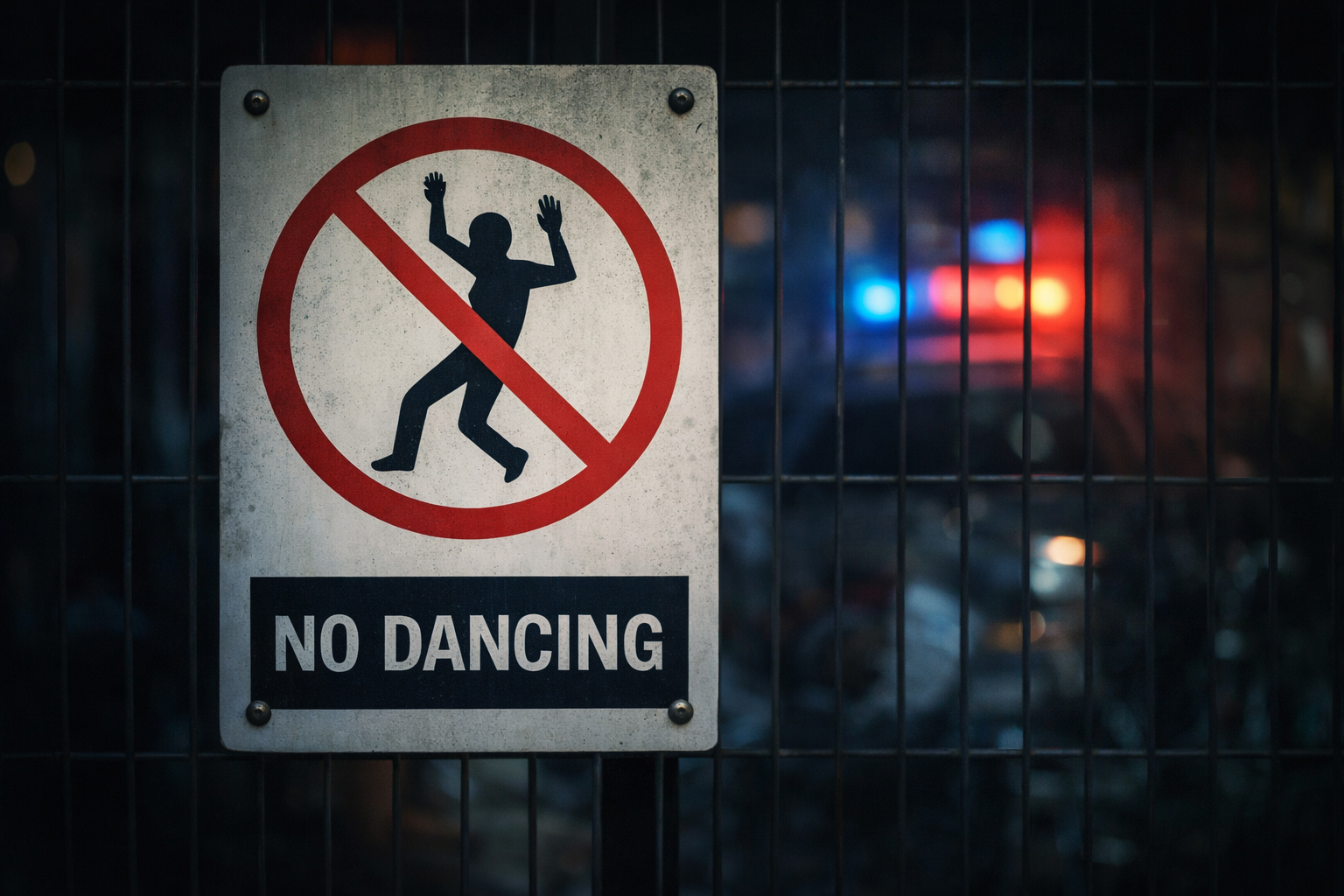
No Dancing signs appeared. Music could play, but bodily response was treated as risk. That atmosphere made the contradiction impossible to ignore. That is why what followed carried more meaning than a routine administrative adjustment.
Dance did not return because the system suddenly became generous from above. It returned because club workers, DJs, musicians, lawyers, venue people, and others inside nightlife culture began insisting that something was fundamentally wrong.
The Let’s Dance movement mattered because it turned a scene complaint into a public cultural argument. It said that nightlife was not just indulgence. It was city culture, music culture, and a legitimate part of modern life.
The return of dance was preceded by a refusal to keep accepting the contradiction in silence.
Dancing was reframed as part of urban cultural life, not only as a moral problem.
The problem moved from niche nightlife talk into the wider public sphere.
In this context, the 2015 legal revision and the 2016 start of the new framework mattered enormously. They did not make everything totally free. But they created a more explicit legal doorway for some late-night dance venues under defined conditions.
In historical terms, that was huge. It meant nightlife was no longer left entirely in the older pattern of “obviously present, but institutionally awkward.” A more open acknowledgment had begun.
It is worth asking what really came back. Not just operating permission in a narrow sense. What returned was a reduction in the feeling that music and movement had to apologize for themselves.
That is why “dance returns” is about atmosphere as much as law. The signs at the door, the tension in the room, the sense of cultural embarrassment — those things began to loosen. That change is historically significant.
What came back was not only a later closing hour.
It was a stronger feeling that nightlife could stand upright again.
This is not a simple happy ending. The reform left conditions in place, and some smaller or awkwardly situated venues still faced constraints. Japanese nightlife did not enter a state of absolute freedom overnight.
Still, something fundamental shifted. The culture moved from an era of “everyone knows this is odd, but it continues anyway” toward an era of “this needed to change, and the change is now visible.” That difference matters.
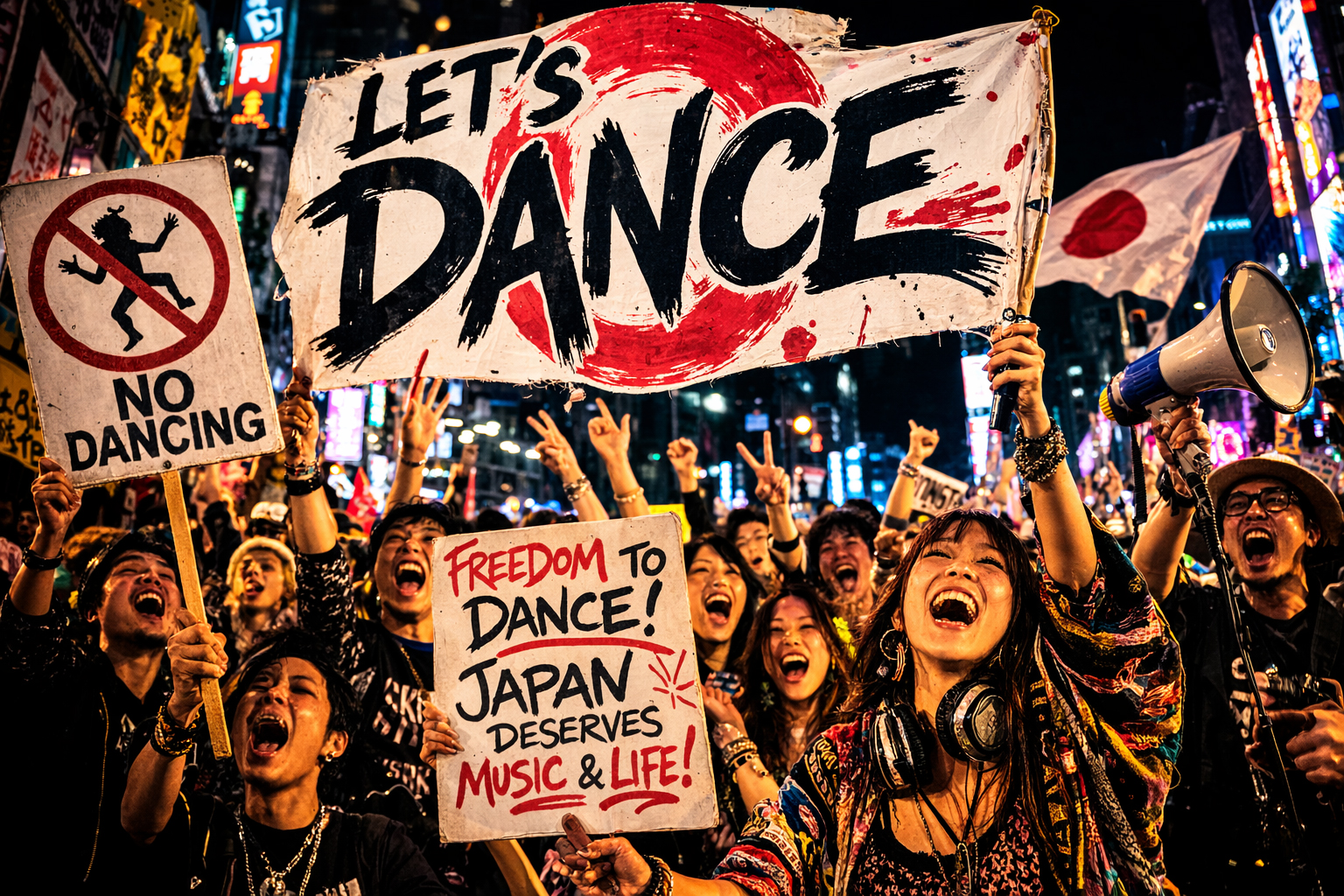
Before dance could feel restored, nightlife first had to defend itself publicly.
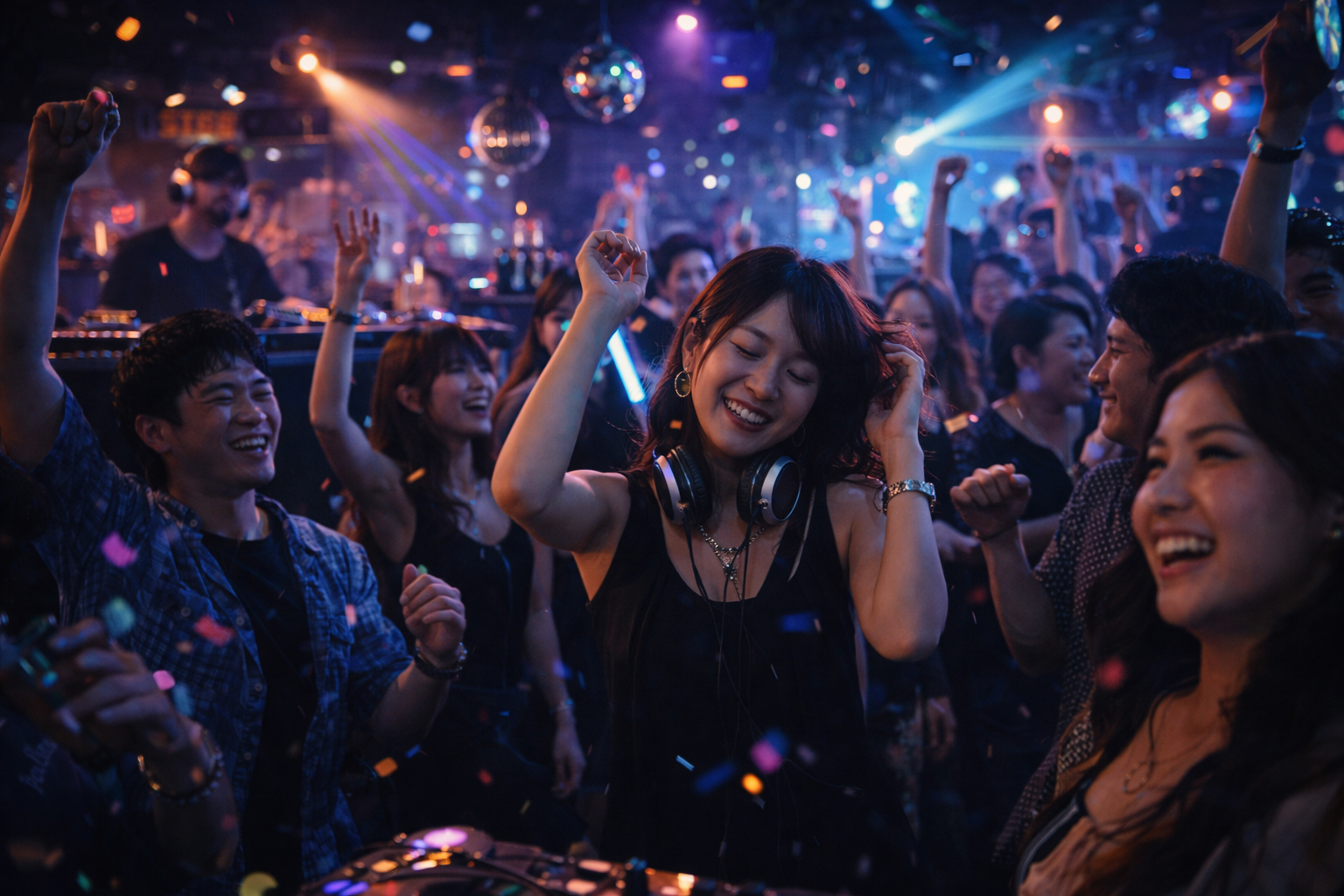
Today’s Japanese club atmosphere makes more sense when seen as the result of this return process.
In districts like Roppongi, the meaning of the return becomes especially clear. Roppongi is built out of music, human flow, foreign influence, chance encounter, and room-to-room movement. There, suppressing dance felt especially unnatural.
So when dance “returned,” it did not simply mean repeating the past. It meant that the city’s natural rhythm was being acknowledged more honestly again.
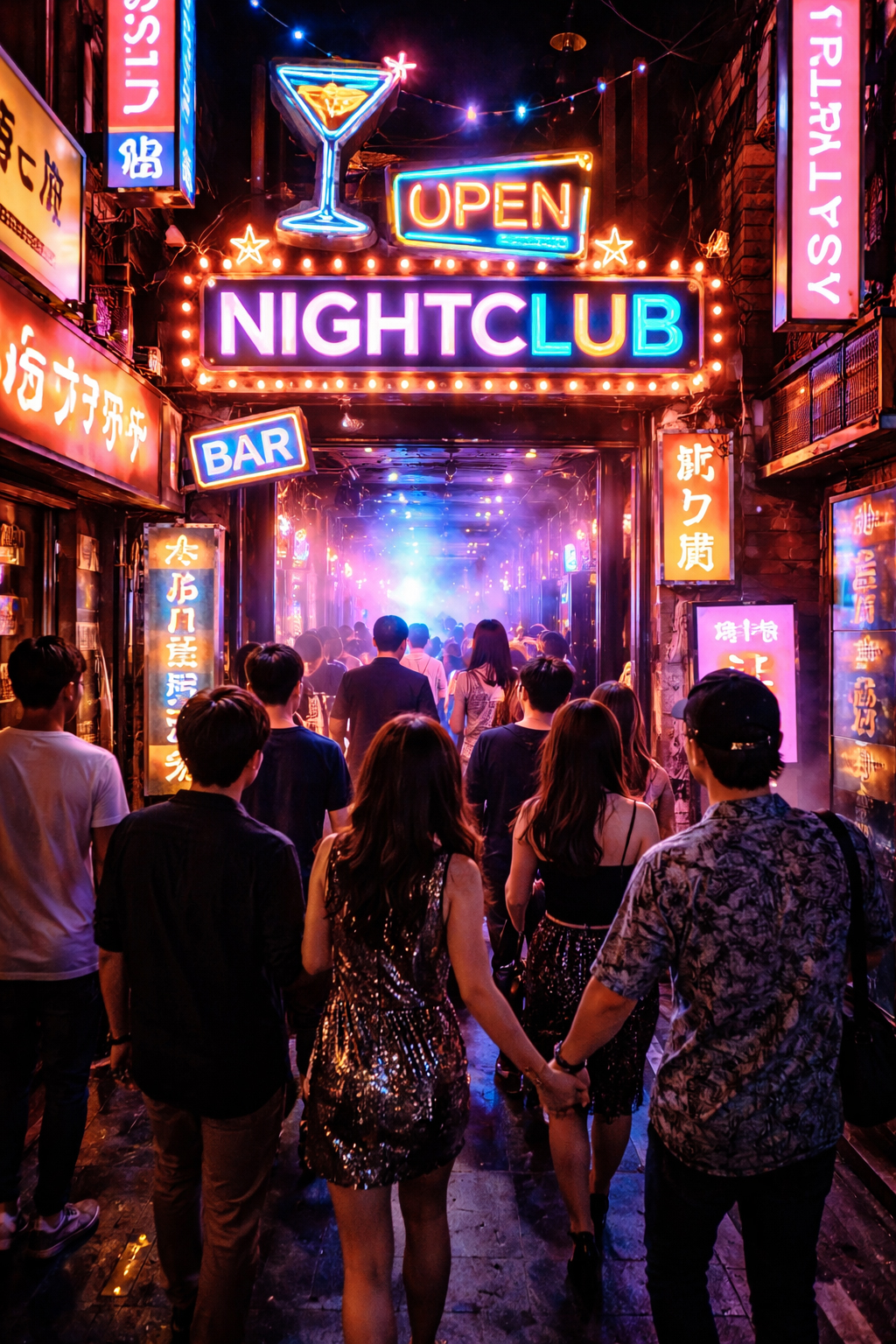
“Dance returns in Japan” is not just a legal headline. It is the name of a cultural turning point in which nightlife recovered some of its ability to justify itself openly.
clubs.co.jp wants to preserve that process. The night in Japan never stopped existing. But for a long time it had to explain itself too defensively. In the middle of the 2010s, that explanation began to change.
The legal turning point behind the broader sense that dance was returning to public legitimacy.
The activist and cultural side of how nightlife fought to reclaim its place.
The pressure and contradiction that made the later return matter so much emotionally.