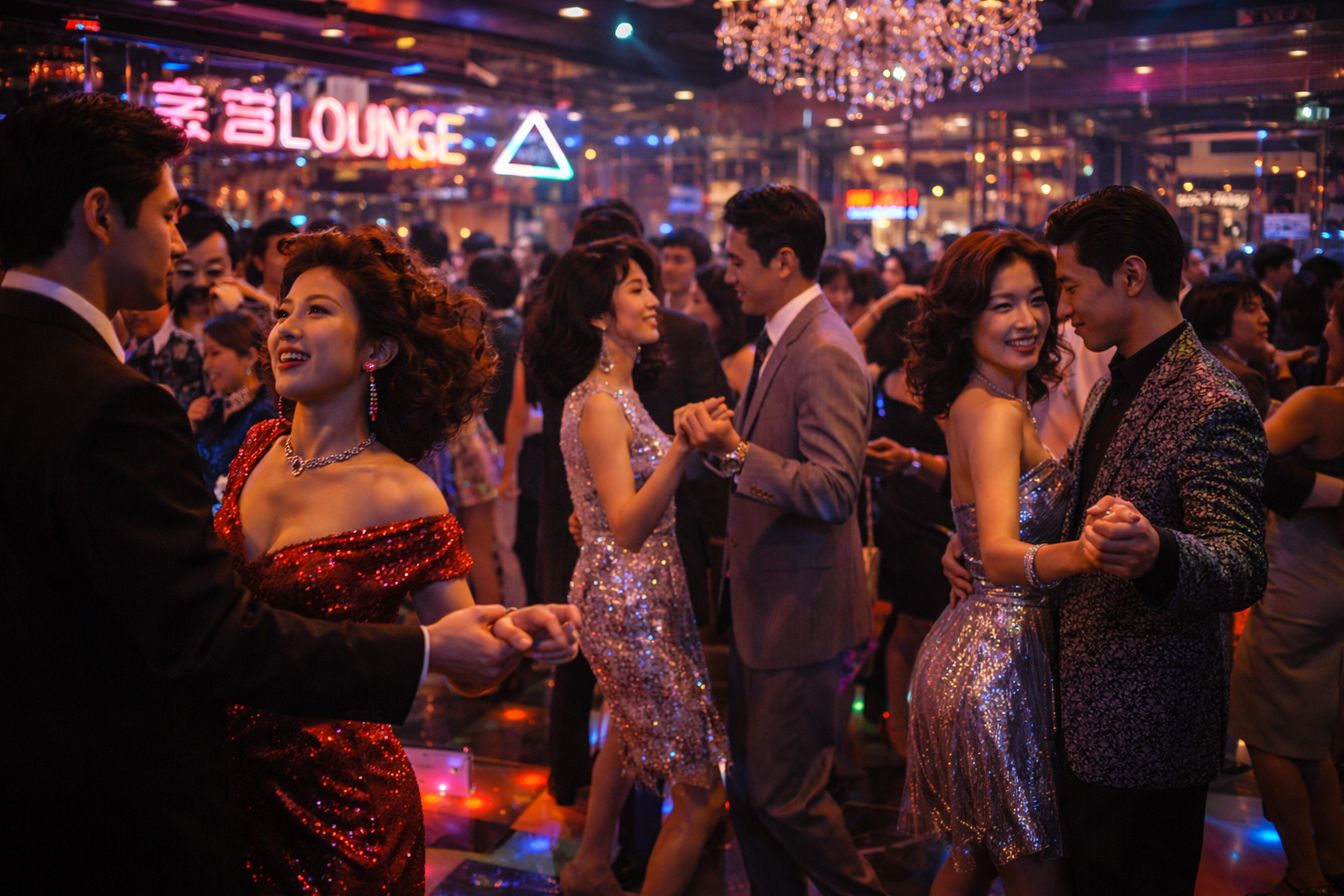
Roppongi
Bubble Nights in Roppongi
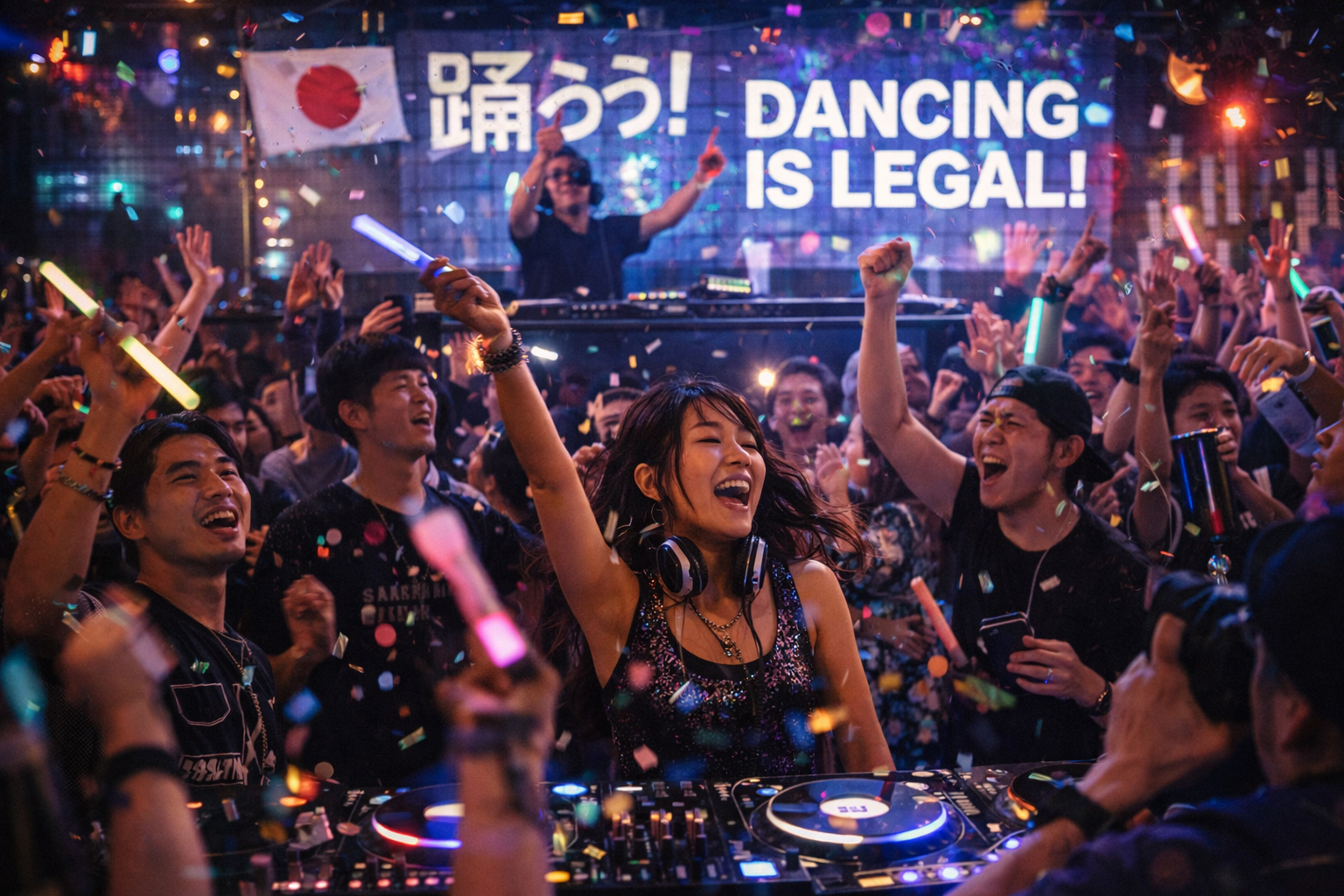
The heat and confidence that formed part of the emotional background for 1990s Tokyo nightlife.
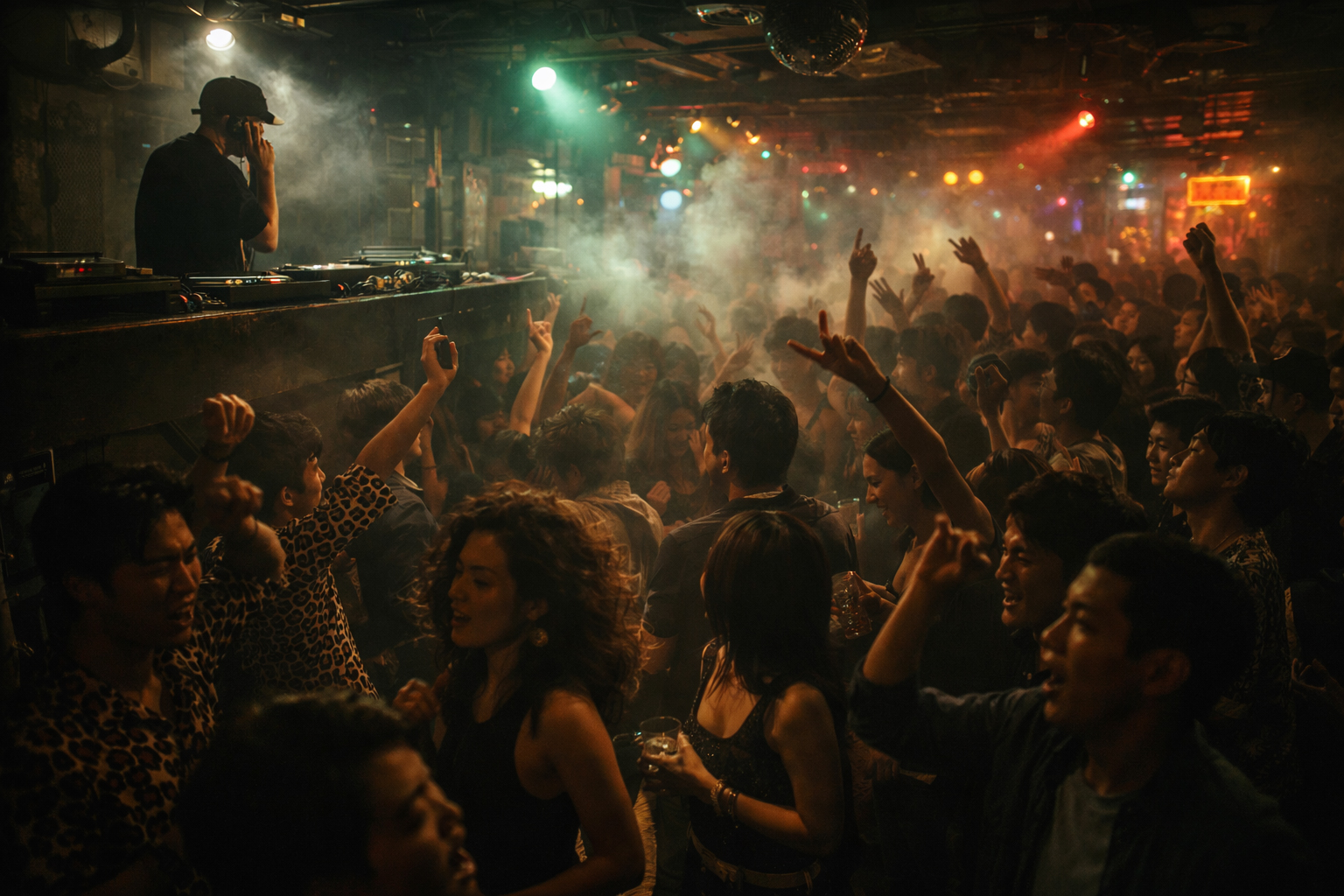
In the 1990s, Tokyo club culture became more than a trend. It became part of how the city understood itself at night. Big spectacular rooms and deep underground spaces existed at the same time, and Tokyo needed both.
Tokyo club culture in the 1990s is hard to reduce to a single story. That is part of what made it powerful. The city held giant theatrical rooms, smaller sound-driven rooms, international energy, local taste, glamour, and underground patience all at once.
So when I think of 1990s Tokyo, I do not want to say only that clubbing became popular. It feels more accurate to say that Tokyo was rebuilding its own body through nightlife — using music, fashion, neighborhoods, and sound systems to decide what kind of global city it wanted to be.
Tokyo in the 1990s did not just import global club sounds.
It used them to make a new version of itself at night.
What makes the decade so interesting is that Tokyo did not choose only one nightlife model. On one side were large, highly visible clubs with scale and drama. On the other were more underground rooms where sound, selection, and atmosphere mattered most.
These were not separate worlds in a simple sense. Together they formed the city’s nightlife body. The big rooms expressed Tokyo’s confidence. The smaller rooms sharpened its ears.
1990s Tokyo club culture began in the afterglow of the bubble. The excess and confidence of the late 1980s did not disappear overnight. But during the 1990s the night deepened in another direction as well.
More rooms became important not just because they were flashy, but because they took music seriously. House and techno were no longer only imported signs of cosmopolitan cool. They became things Tokyo audiences listened to with real attention.
Tokyo nightlife could still turn the night itself into a spectacle.
At the same time, sound, curation, and atmosphere were becoming more central.
The city held bubble-era brightness and next-stage musical seriousness in the same historical moment.
In the 1990s, house and techno in Tokyo did not remain foreign forms for long. Tokyo absorbed them and translated them into its own urban language. House could give the city smoothness and depth. Techno could express its steel, speed, and futurity.
That meant choosing a night out also became a way of choosing which version of Tokyo you wanted to enter. The music was not only soundtrack. It was urban architecture.
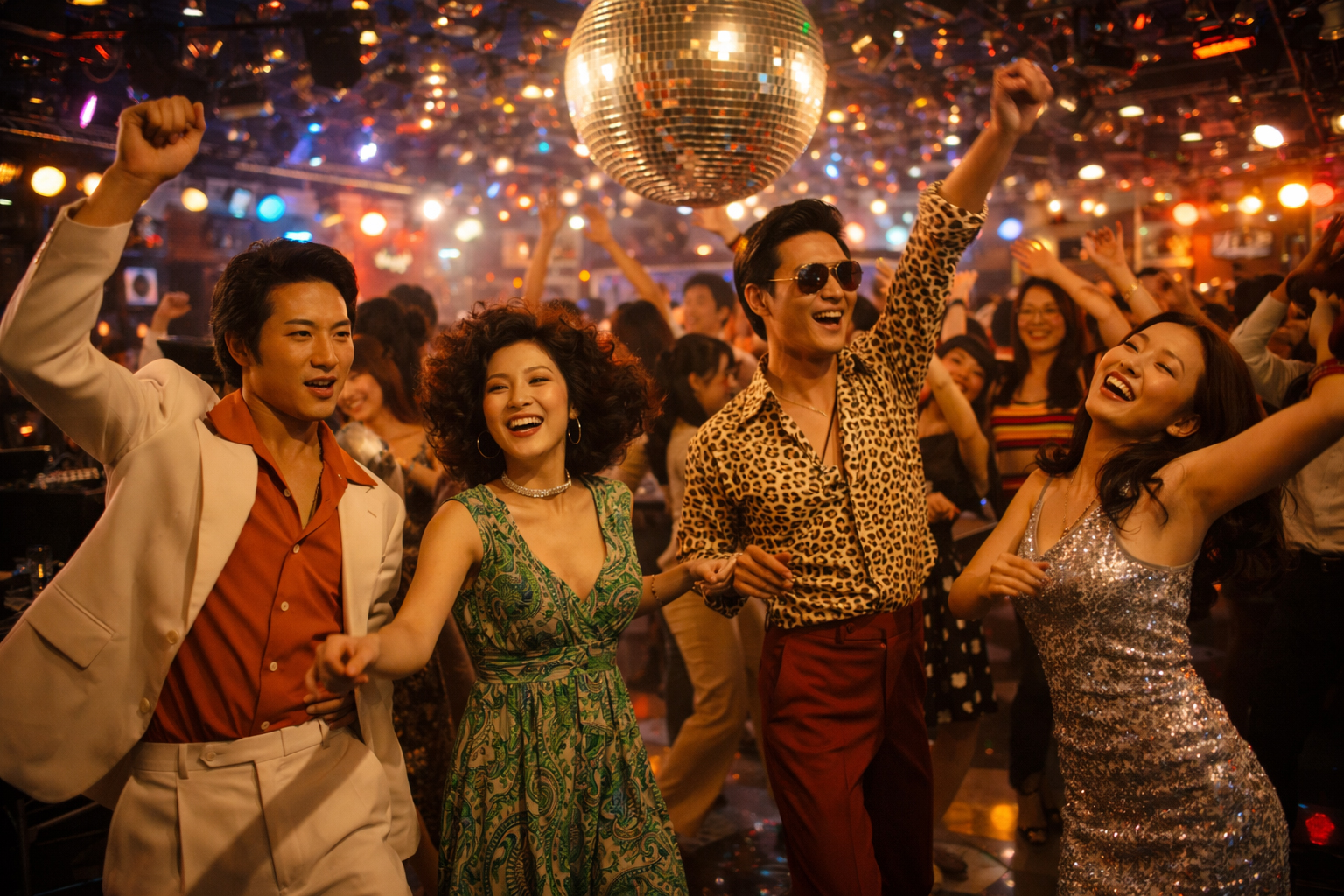
Tokyo’s 1990s club culture cannot be mapped through one district alone. Roppongi brought internationalism and showmanship. Shibuya brought youth, churn, and rapid change. Nishi-Azabu often carried a more adult or taste-driven edge.
Those districts did not hear house and techno in exactly the same way. That is one reason Tokyo nightlife became so rich: multiple versions of the city were sounding themselves at once.
Tokyo club culture in the 1990s was not one city dancing.
It was several Tokyos dancing at the same time.
Another reason the decade matters is that Tokyo was not simply receiving global club culture late. The city was increasingly recognized as part of an international circuit. Visiting DJs mattered, but so did the development of local audiences who knew how to listen.
What became important was not only that famous names came through Tokyo, but that Tokyo itself had rooms and crowds that could justify the connection. The city’s pride was becoming sonic.
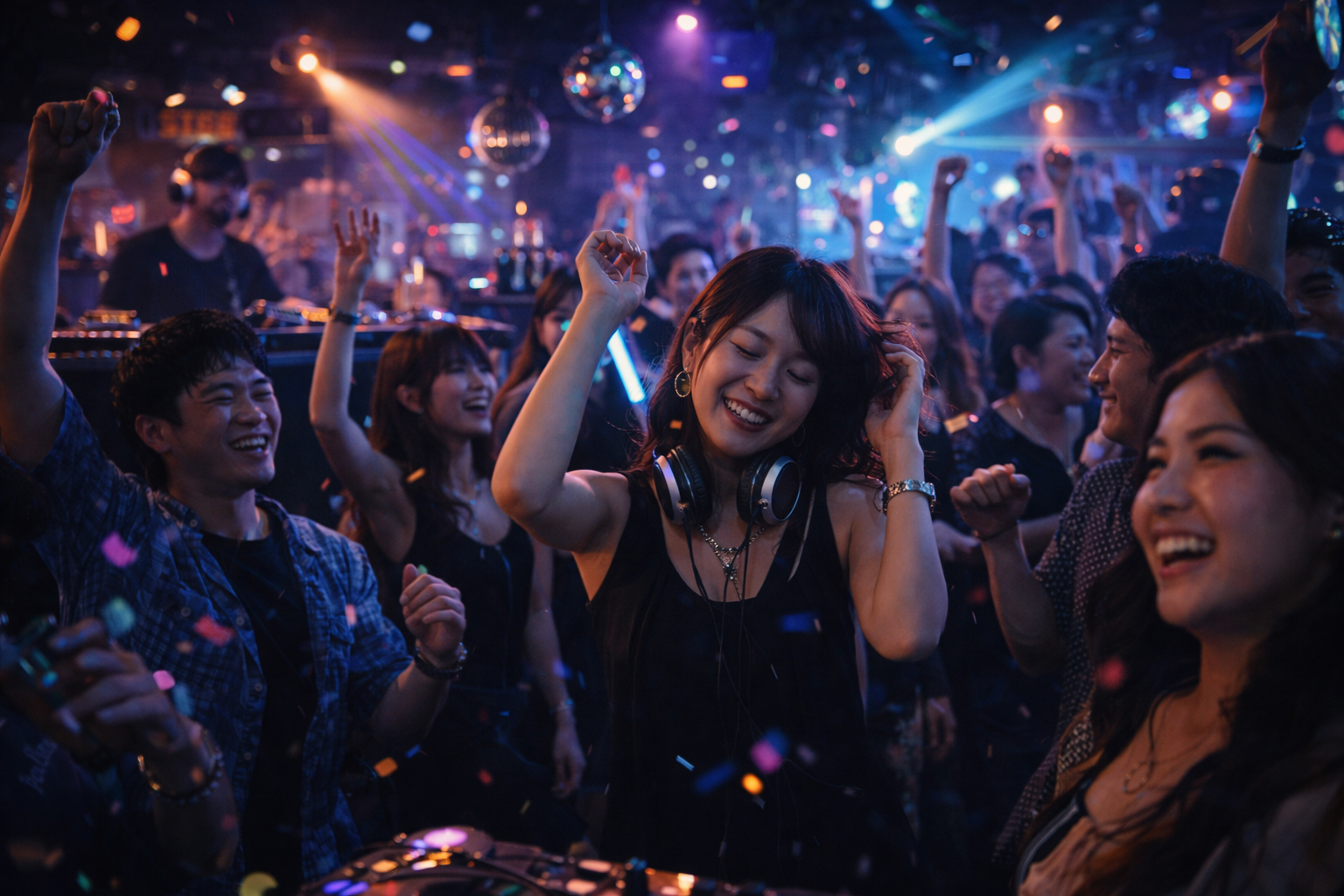
The city’s nightlife was beginning to imagine itself as part of a wider club geography.
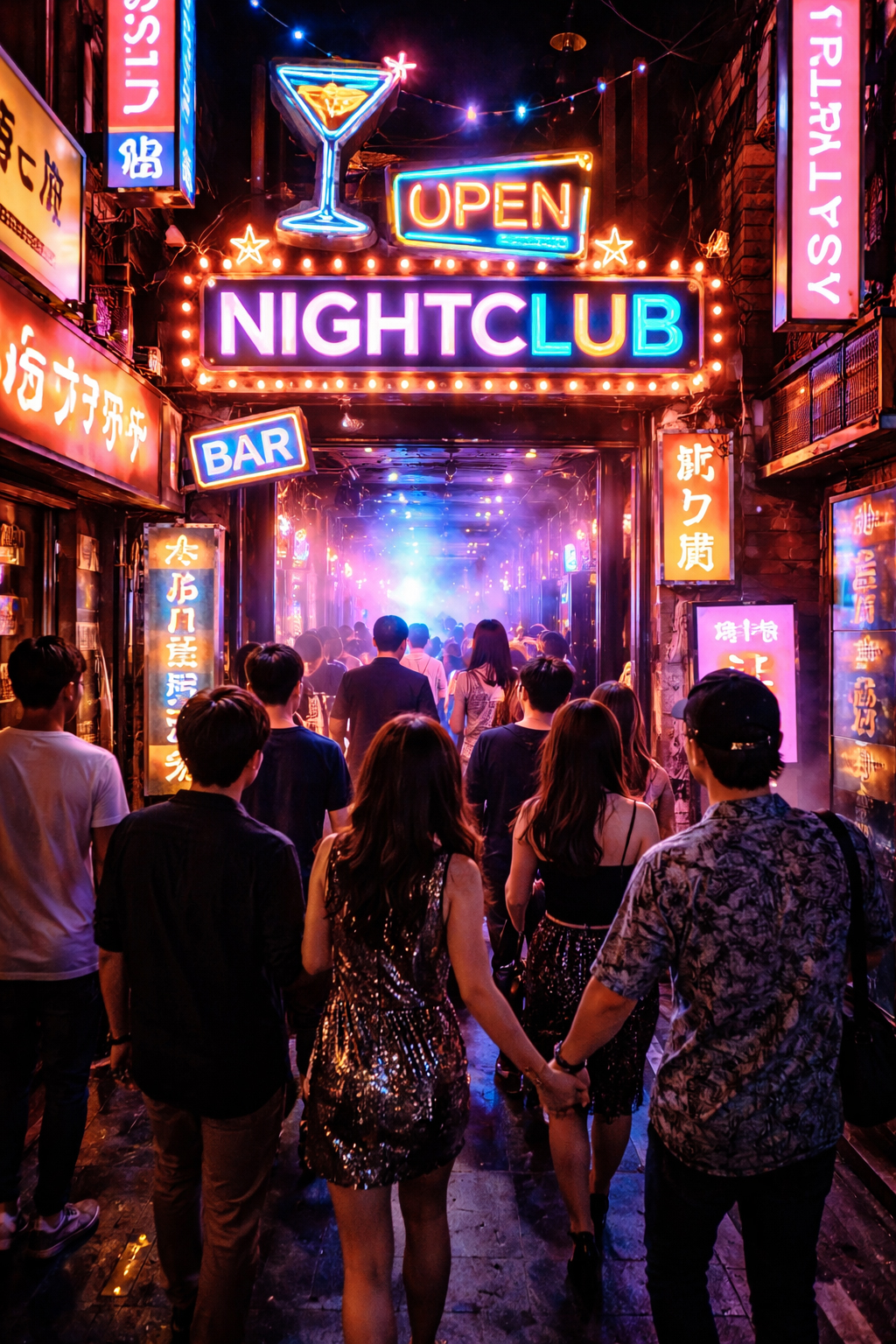
Even imported sounds became reshaped by Tokyo’s own distance, polish, and urban mood.
The 1990s matter because this is when club culture in Tokyo became larger than nightlife entertainment. The night became a measure of the city’s sensitivity, and music became part of the city’s identity.
And Tokyo managed to do that while remaining contradictory: glamorous and underground, global and local, polished and slightly dangerous. That complexity is the real beauty of the decade.
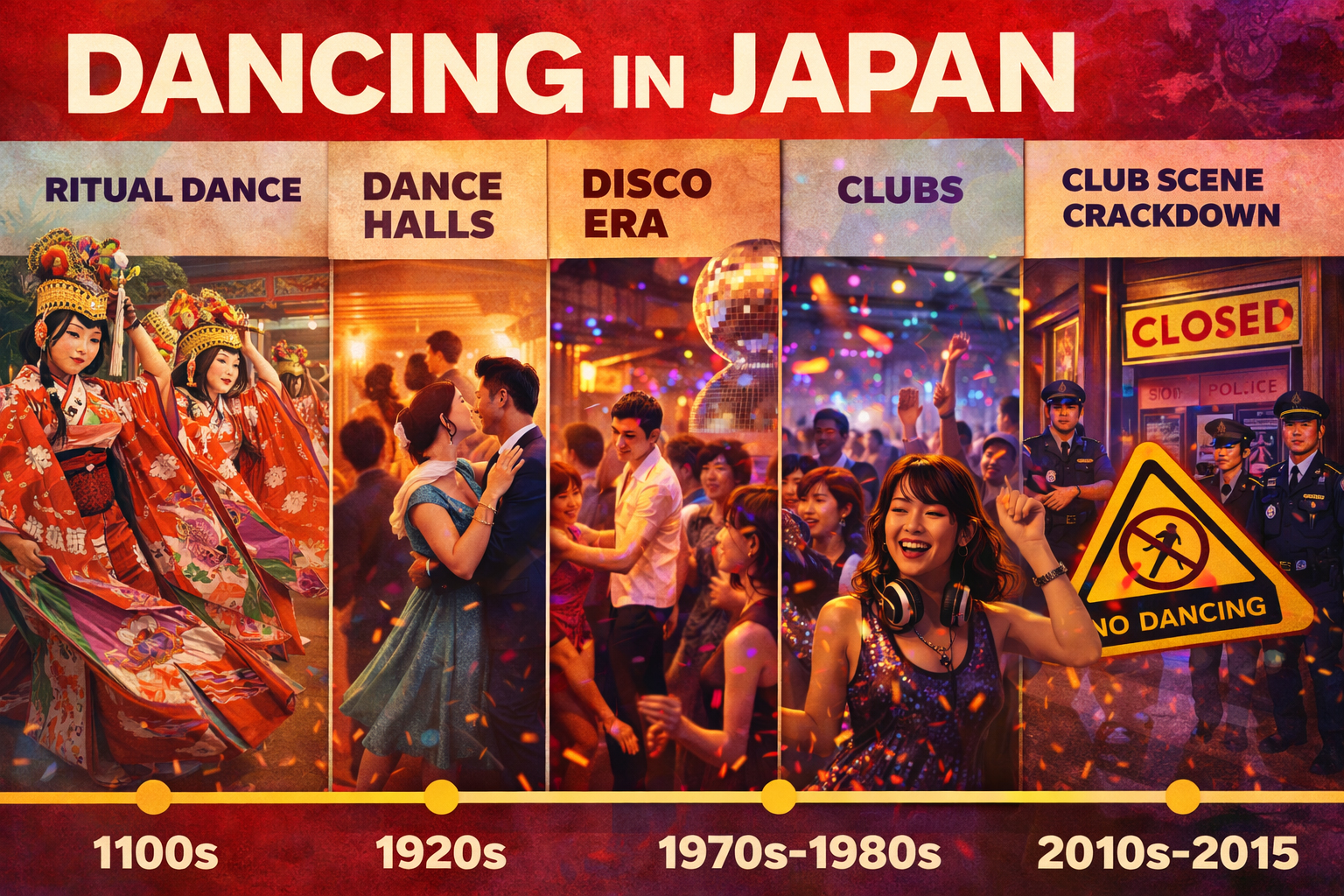
Tokyo club culture in the 1990s should not be remembered only as nostalgia. It was a period when the city linked its own urban self-image to global club sound in a serious way.
clubs.co.jp wants to preserve that decade as one of the great golden periods of Japanese nightlife: the moment when spectacle, underground depth, Roppongi, Shibuya, Nishi-Azabu, house, and techno all became part of one larger Tokyo night.
The heat and confidence that formed part of the emotional background for 1990s Tokyo nightlife.
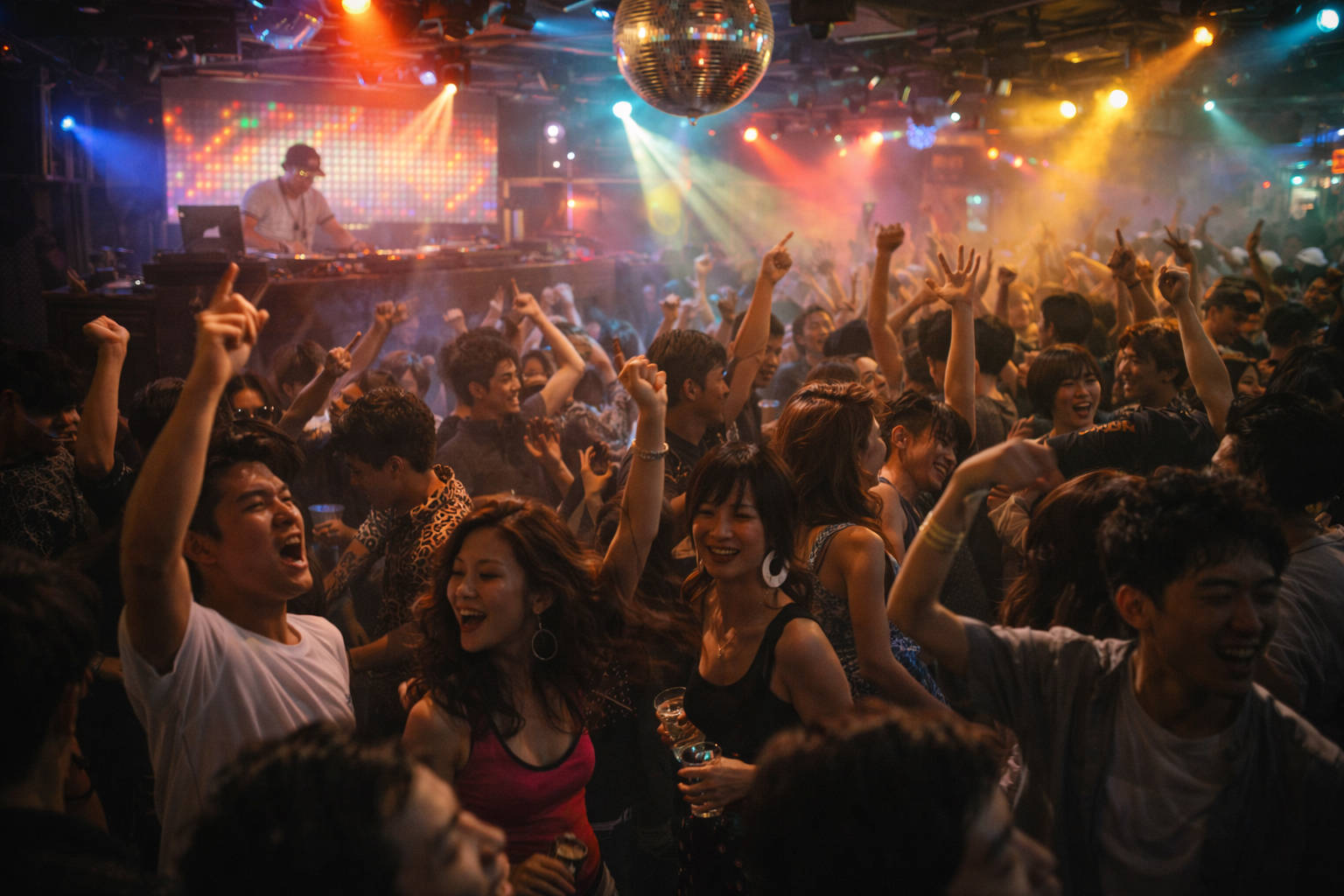
Another Japanese electronic circuit, shaped by a very different urban rhythm and underground feel.
How nightlife changed later, after the collision between club culture and legal pressure.