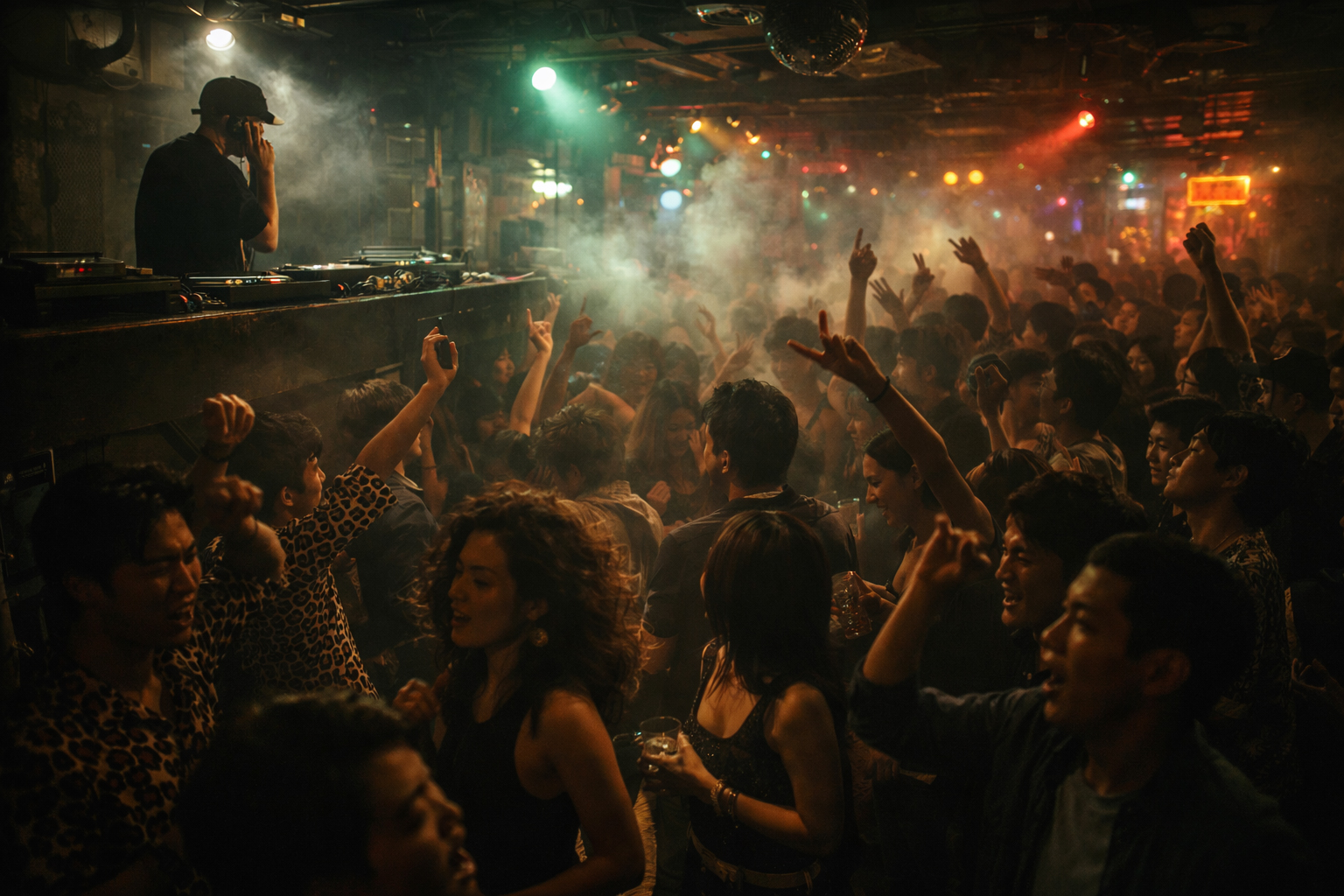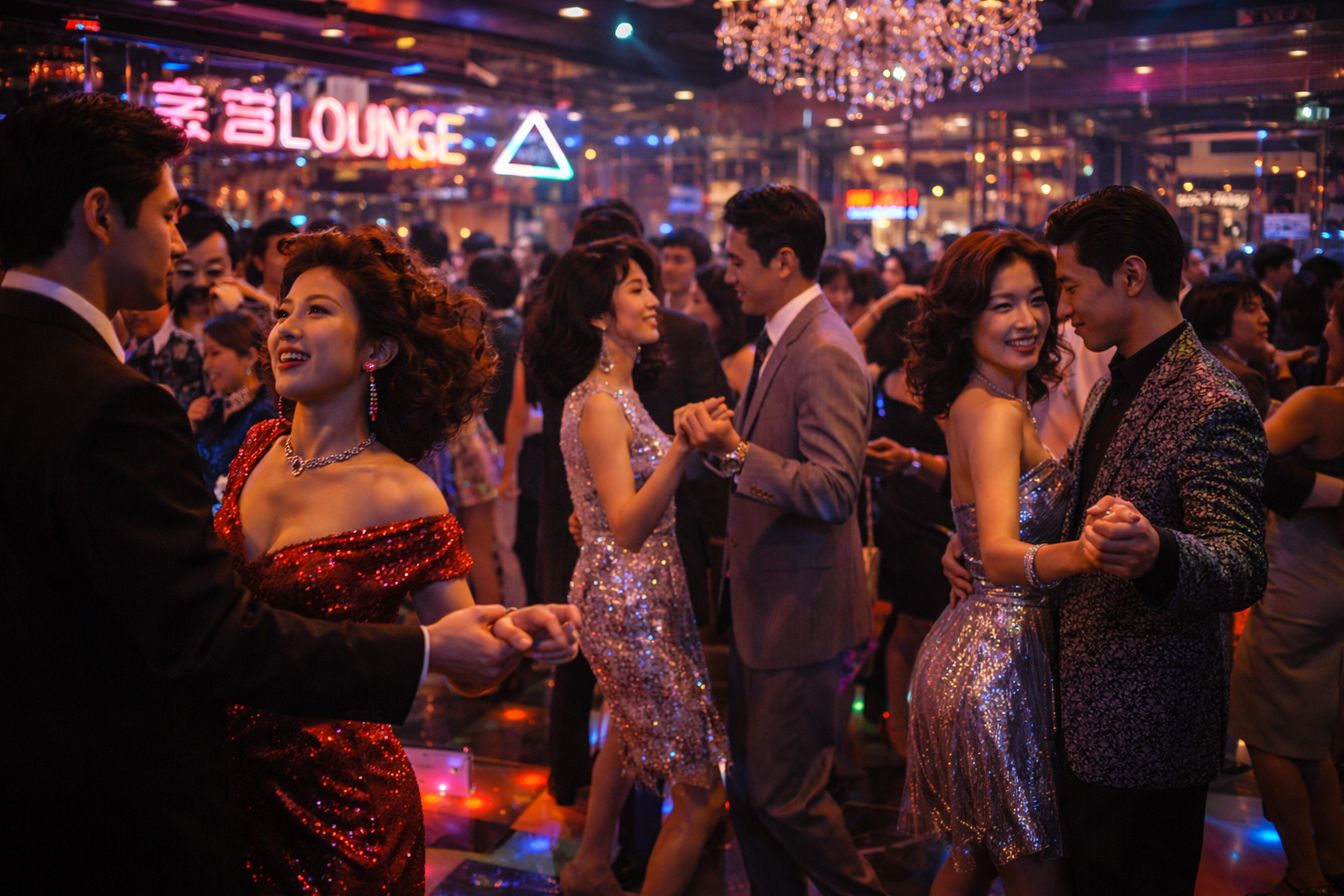
Bubble Tokyo
Bubble Nights in Roppongi
The late-1980s and early-1990s district as a stage for confidence, excess, and Tokyo at maximum heat.

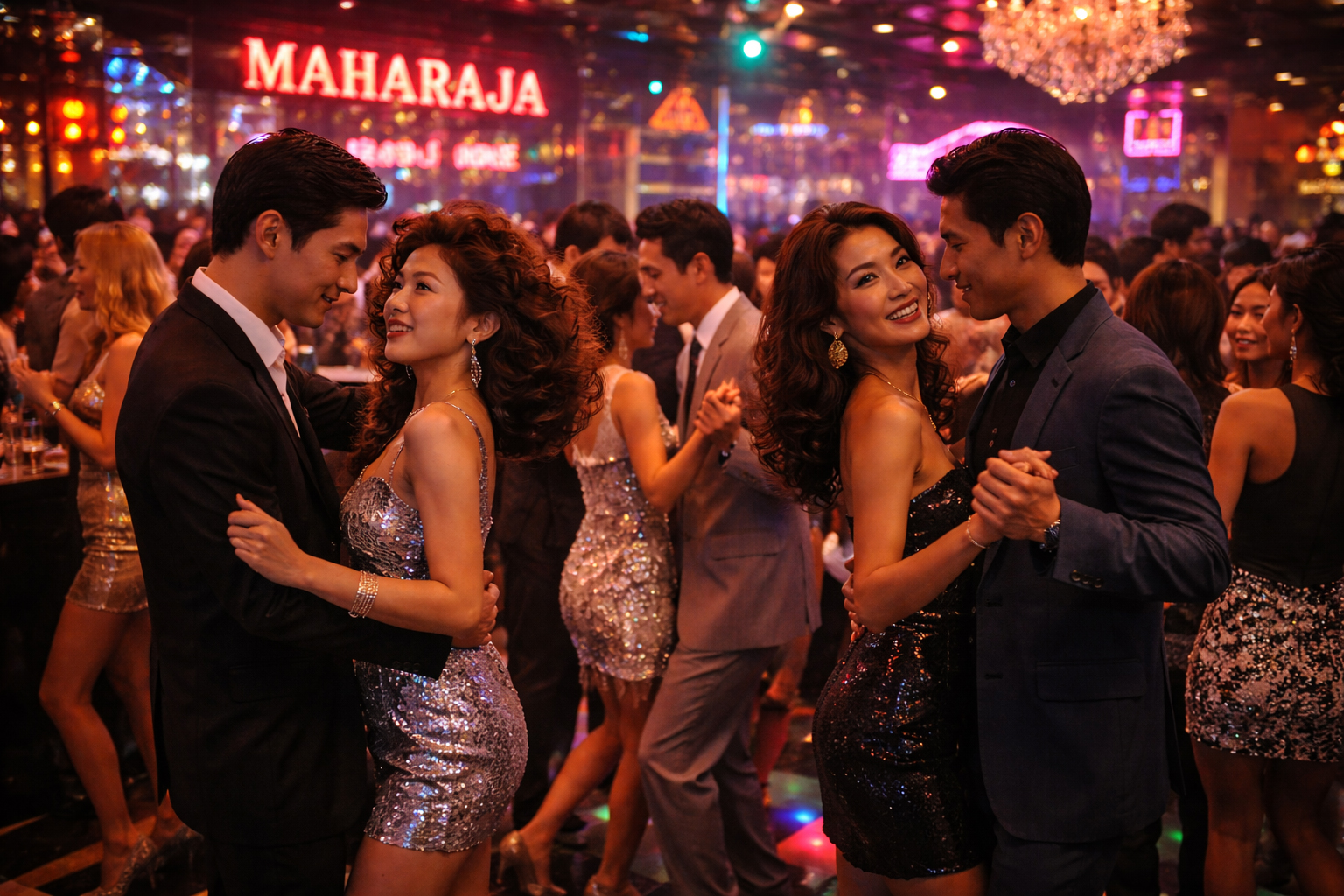
Roppongi was never just an entertainment district. It held bubble-era Tokyo, international energy, club culture, coincidence, music, legal absurdity, and the kind of nights where people remain in memory longer than the venue name. This section follows Roppongi through those layers.
The Roppongi section of clubs.co.jp is not just a directory of old venues. It is a way of preserving how the district actually felt: arriving in 1989 at the height of the bubble, entering through Java Jive, hitting the chaos of Gas Panic, meeting Mike, living through the Motown years, and later encountering the absurd contradiction of being told not to dance in a room built for dancing.
What matters here is not only the clubs. It is also the speed of the district, the human flow, the density of coincidence, and the way nights there entered real life.
Bubble nights, defining venues, first-week shocks, and the people who made the district real.
The late-1980s and early-1990s district as a stage for confidence, excess, and Tokyo at maximum heat.
Maharaja, Java Jive, Gas Panic, Motown, and the rooms that captured different Roppongi eras.
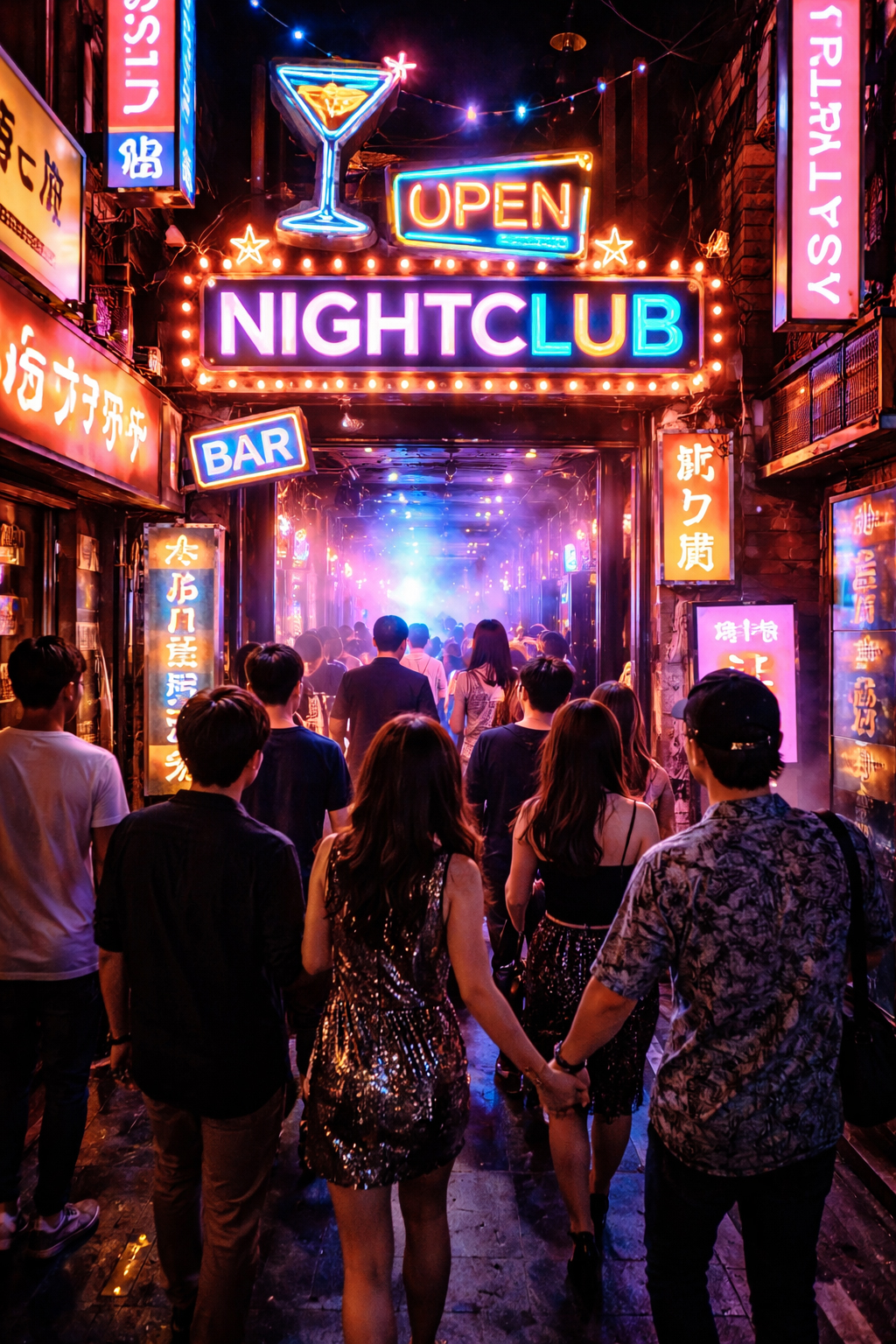
The starting page for how Roppongi entered my body and memory in the first days after arriving in Tokyo.
If the history section follows chronology and the culture section follows atmosphere, the Roppongi section follows a district as lived reality. It shows how one part of Tokyo held multiple eras, multiple room types, and multiple kinds of memory at once.
Roppongi was a compressed version of Tokyo nightlife — and sometimes even more Tokyo than Tokyo itself. This section is meant to show why.
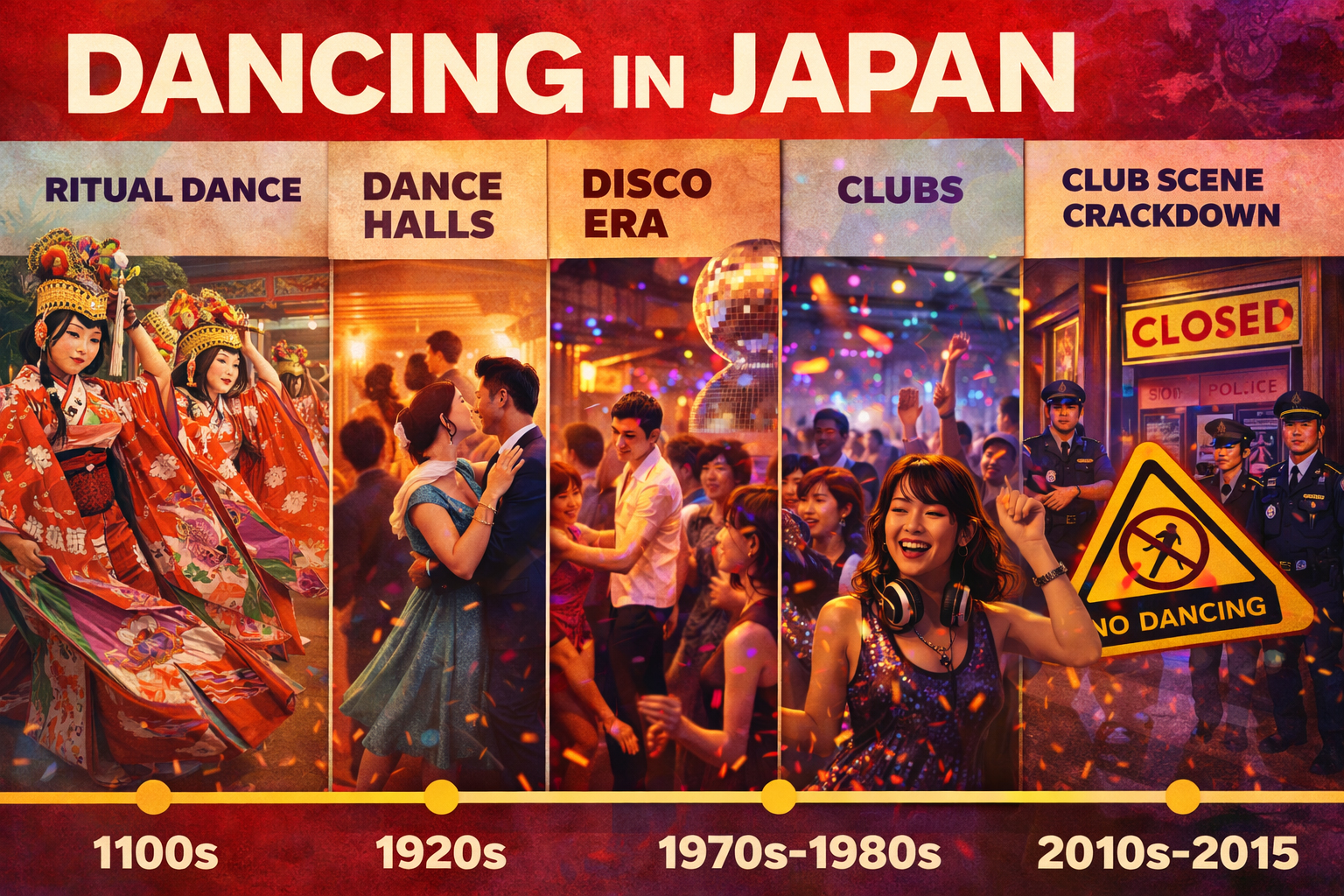
Bubble years, social years, and crackdown years all become visible through the rooms.
Mike and others matter because they show how nightlife enters actual life.
The district makes the most sense through movement between rooms, not isolated addresses.
Move from the district into memoir, culture, and law.