Memoir
If We Can't Dance, Then You Can't Play Motown
A memoir page centered on the 2012 line and the contradiction behind it.
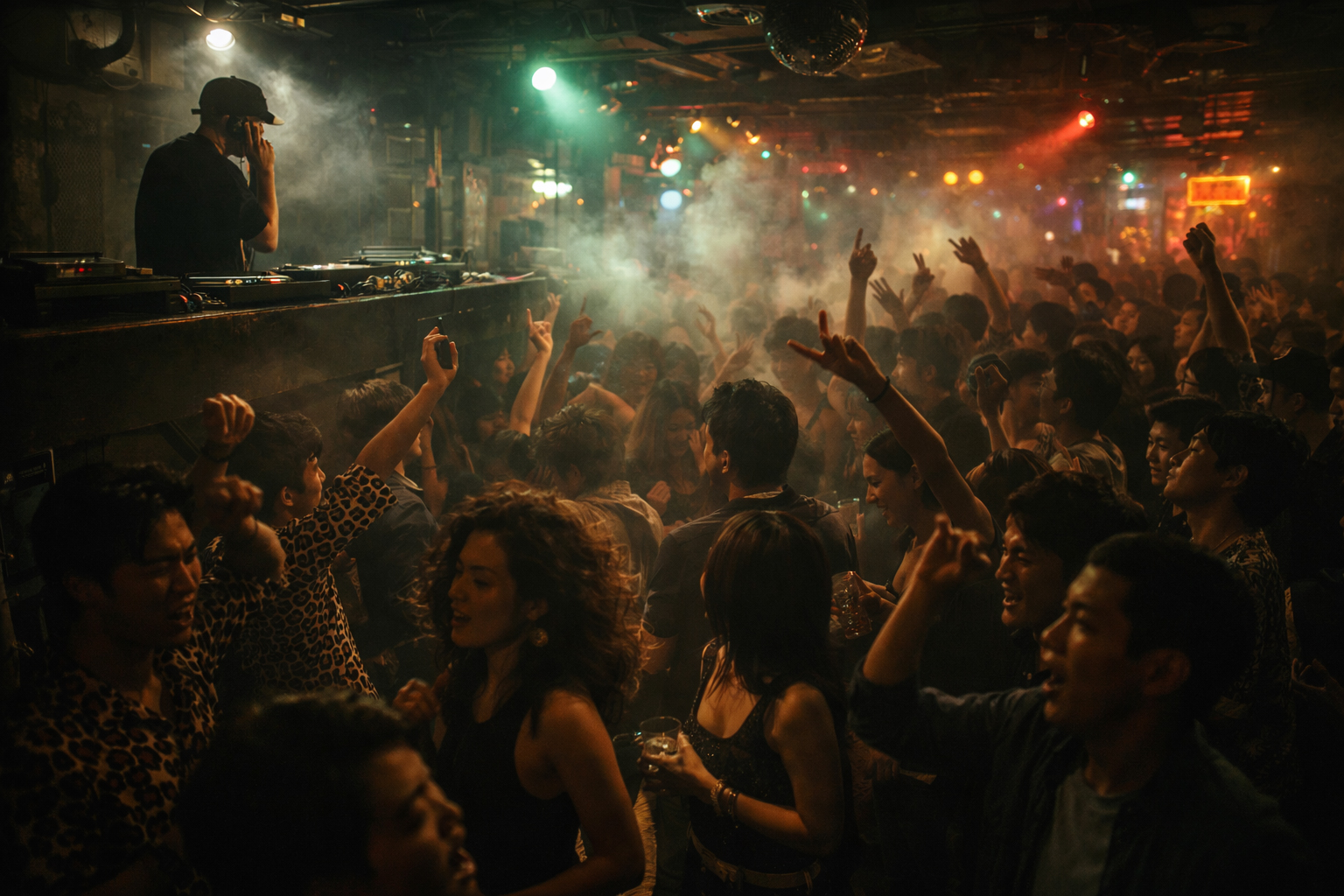
In 1990s Roppongi, Motown was more than just another venue. It was a room where music moved people, people moved the night, and the whole place carried the warmth, energy, and human charge of the era.
Roppongi had many memorable places, but Motown Roppongi carried a special kind of force. The music itself gave the room its personality. Motown is not passive background music. It invites motion, memory, release, laughter, and shared rhythm. That meant the venue was never separate from dancing.
For me, the place mattered not only because the music was right, but because of the moment in life around it. In the 1990s, while I was running my internet company in Tokyo, we had 65 young employees, and the whole building felt charged with ambition, flirtation, humor, speed, and human energy. Motown was one of the places where that era naturally gathered.
In a room built around Motown, the music never stays background.
It becomes the center of gravity.
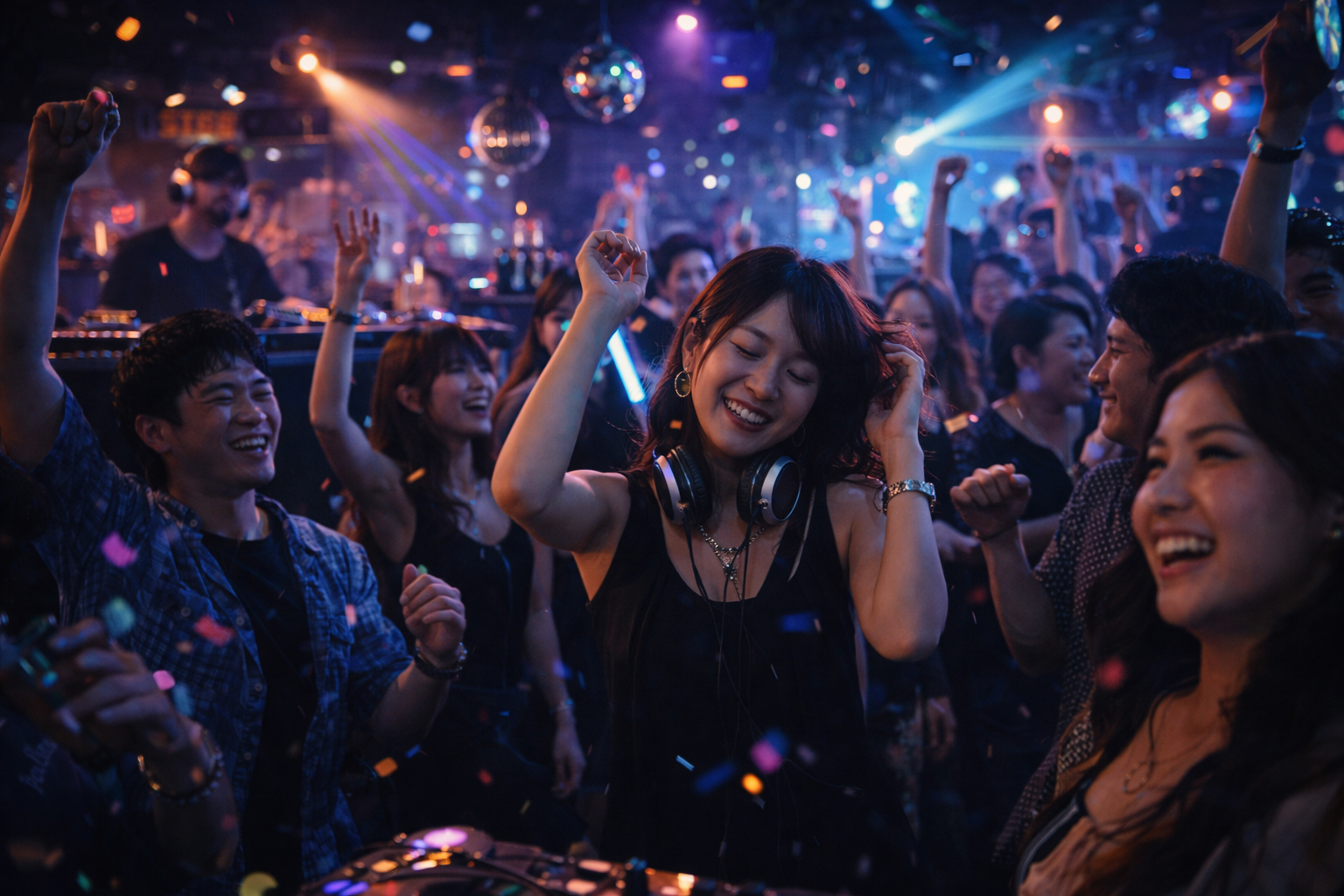
The best Roppongi venues always offered more than layout, location, or sound. They offered possibility. You went there because you might meet someone, laugh too hard, dance longer than planned, or feel the night suddenly tilt upward. Motown Roppongi belonged in that category.
Whether you arrived alone or with a group, the room could pull the night into a new phase. The music, the faces, the body language, the timing, the air-reading by the staff and DJs — those elements made the venue feel less like a stop and more like a turning point.
Work friends, chance encounters, romance, momentum, and laughter all found a natural home in places like this.
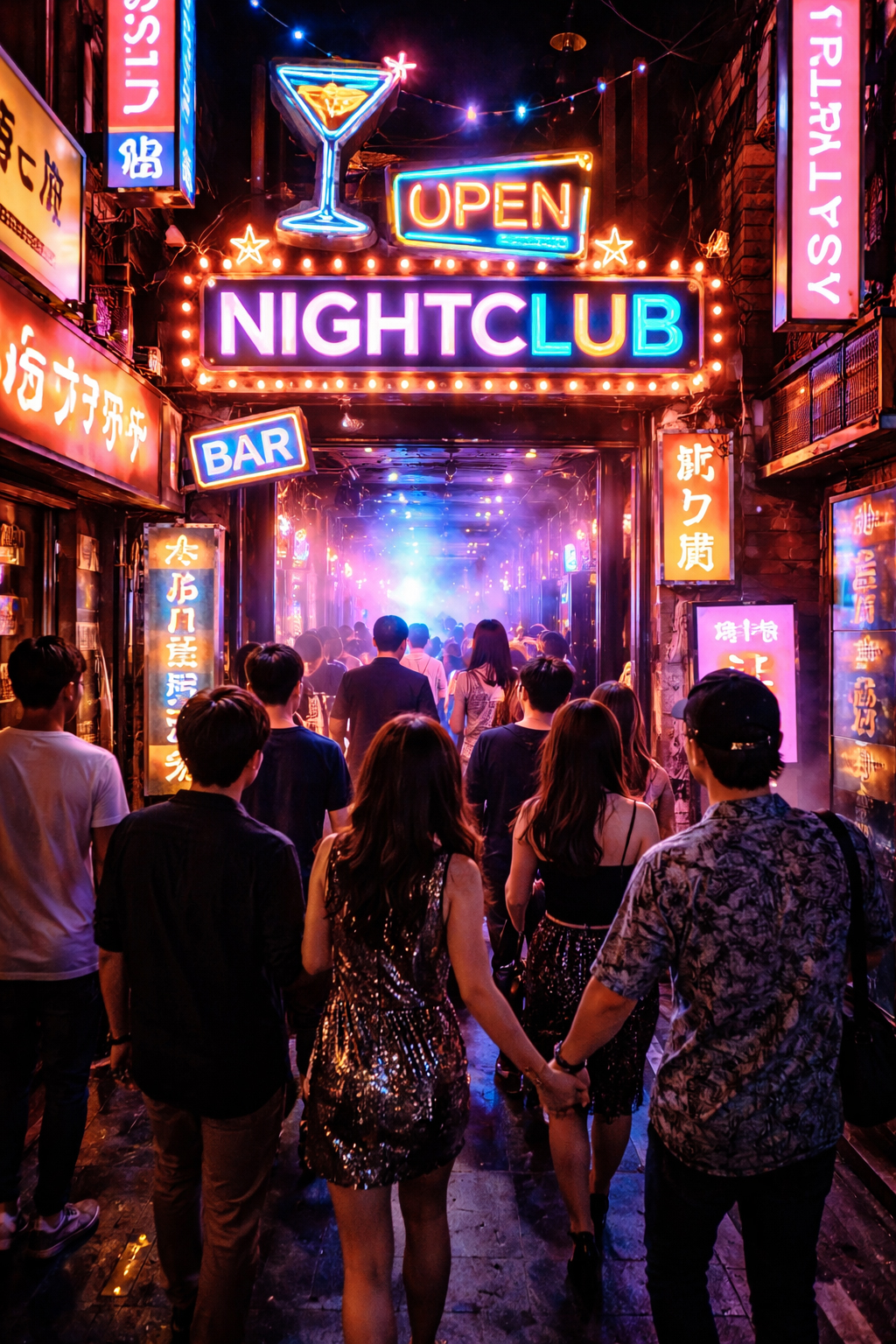
Motown mattered not only by itself, but as part of the wider movement of Roppongi at night.
One of the strengths of Motown is that it can unify a room across age, background, and mood. It is bodily without being aggressive, familiar without becoming weak, joyful without losing groove. That gave Motown Roppongi a rare capacity to turn a mixed room into a shared room.
Where some club music sharpens the floor, Motown opens it. Conversation can become dancing. Dancing can become laughter. Laughter can become memory. That was one of the core pleasures of the place.
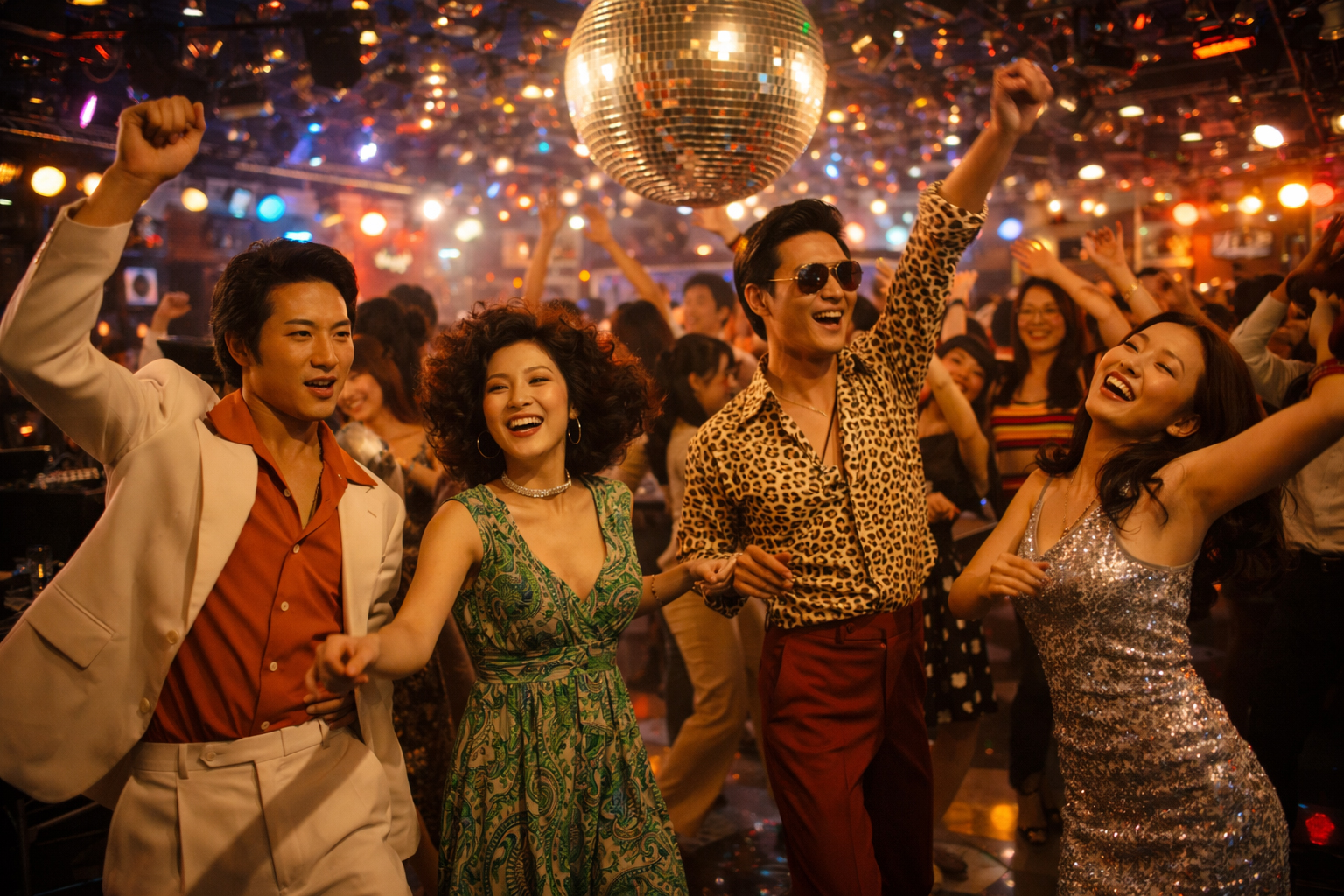
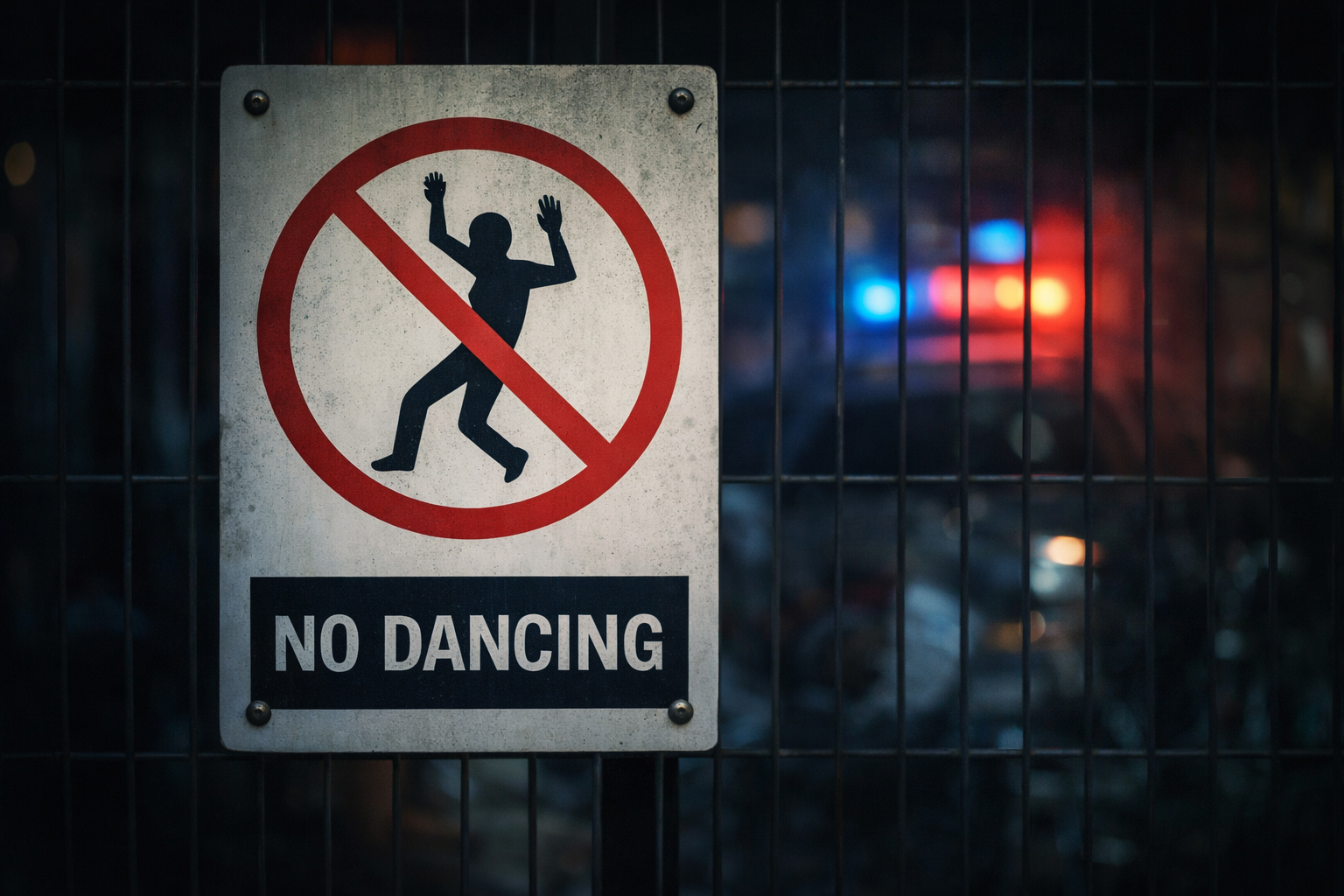
That is exactly why the contradiction hit so hard when I returned in 2012 and was told that dancing was now against the law. To hear that in a room built around Motown felt absurd at a basic level.
My answer came immediately: “If we can’t dance, then you can’t play Motown.” It was funny, but it was also true. A room full of music designed to move the body, yet the body itself was treated as the problem. The line captured the contradiction in one shot.
“If we can’t dance, then you can’t play Motown.”
Great venues do not only show what is exciting about an era. They also reveal what is broken about it. Motown Roppongi did both. In the 1990s, it showed how naturally music, people, and nightlife could merge. In the early 2010s, it exposed the bizarre collision between legal enforcement and lived nightlife reality.
That gives the venue unusual historical value. It belongs both to the warm human nightlife of Roppongi’s social years and to the strange regulatory era that tried to deny what the music itself was asking for.
At Motown, the room’s identity came directly from the emotional logic of the music.
A venue becomes unforgettable through the faces, friendships, and emotional charge inside it.
Few places showed the contradiction of the no-dancing era as clearly as a Motown room did.
When I remember Motown Roppongi, I remember the people as much as the place: young staff, friends, after-work energy, flirtation, laughter, and the people who knew how to read the room.
Roppongi nightlife was never shaped only by signage or architecture. It was shaped by those overlapping human energies, and Motown was one of the places where that became especially visible.
There is a good reason to preserve Motown Roppongi on clubs.co.jp. It holds both the warmth of 1990s Roppongi and the absurdity of the 2012 crackdown moment. And in both cases, music is the thread that explains the room.
Some venues disappear as trends. Others remain because they capture how an era felt in the body. Motown belongs in that second category.
A memoir page centered on the 2012 line and the contradiction behind it.
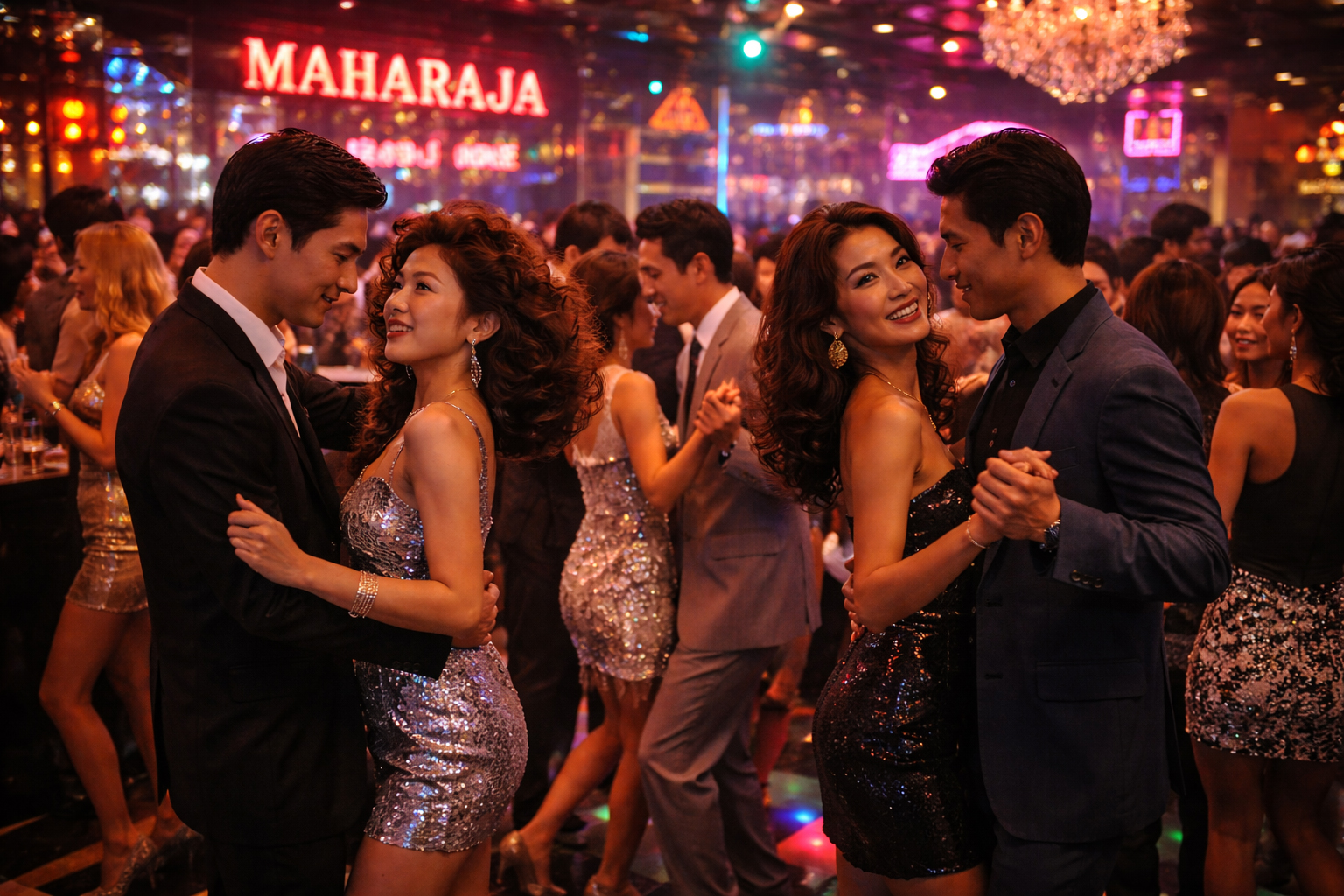
Maharaja, Java Jive, Gas Panic, Motown, and the venues that captured different Roppongi eras.
A memoir about the people, DJs, and human energy that mattered more than venue names alone.