People
The People Who Made Roppongi Move
A memoir about the friends, DJs, and characters who made the district live.
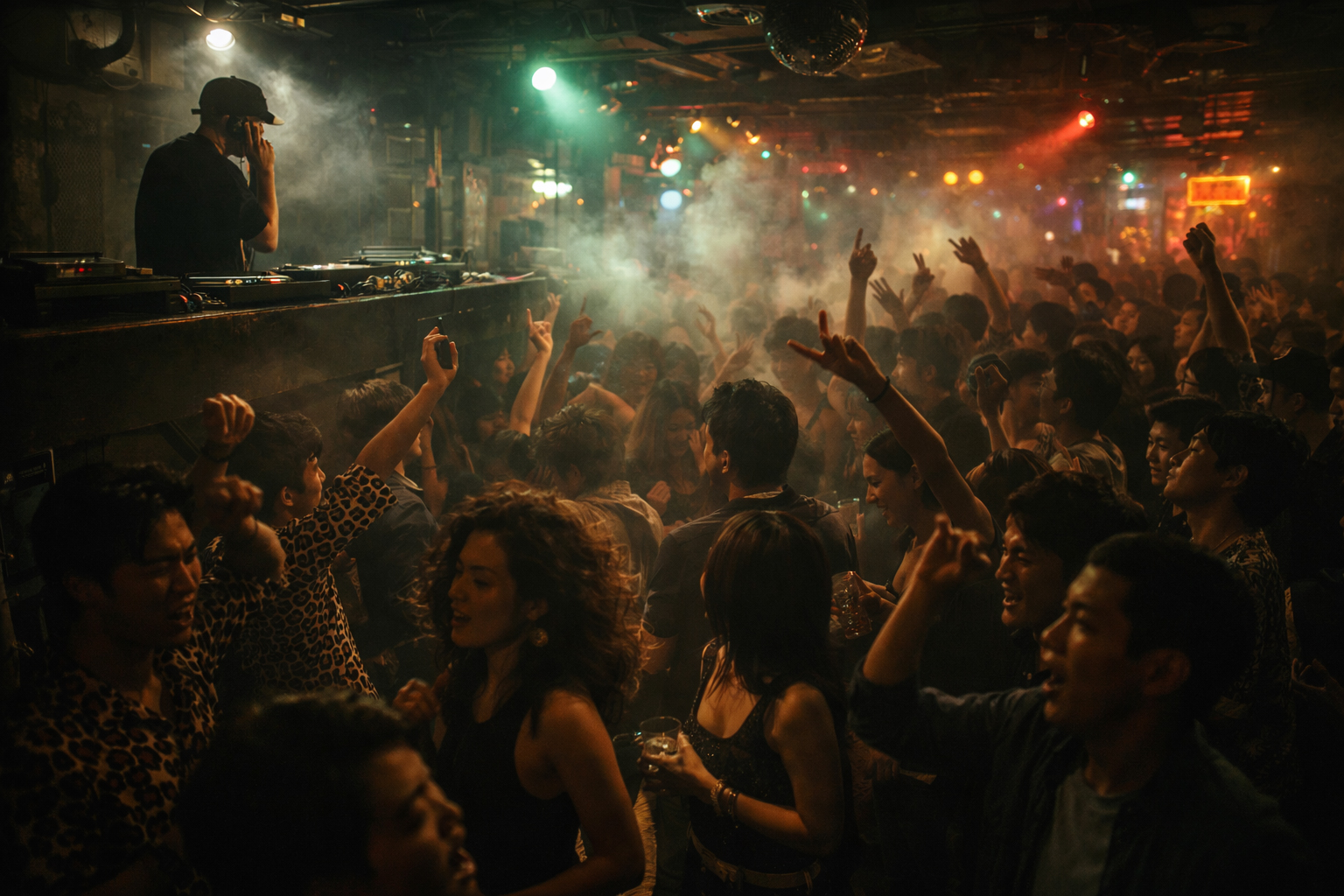
In 2012, at Motown in Roppongi, I was told that dancing was now against the law. My answer came instantly — funny, yes, but also completely serious.
For me, Roppongi nightlife was always about music, motion, people, and momentum. I arrived in Tokyo in 1989 and saw the tail end of the bubble, the years after it, and the long evolution of the district through different moods and decades. Java Jive, Gas Panic, Motown, and the flow from one place to another made up a real nightlife map.
In the 1990s, while I was running my internet company in Tokyo, Motown Roppongi was one of our go-to spots. We had 65 young employees, and the whole building felt charged with youth, ambition, flirtation, and energy. If that music was playing, people were going to dance. That was as natural as breathing.
“If we can't dance, then you can't play Motown.”
Then in 2012, I went back to Motown and was told that dancing was now against the law. I honestly could not believe what I was hearing.
Motown music, but no dancing? The contradiction was so ridiculous that the answer came out immediately:
“If we can't dance, then you can't play Motown.”
It sounds like a joke, and yes, part of it was a joke. But it was also completely true. In a room built for dancing, with music made for dancing, dancing itself had somehow become the legal problem.
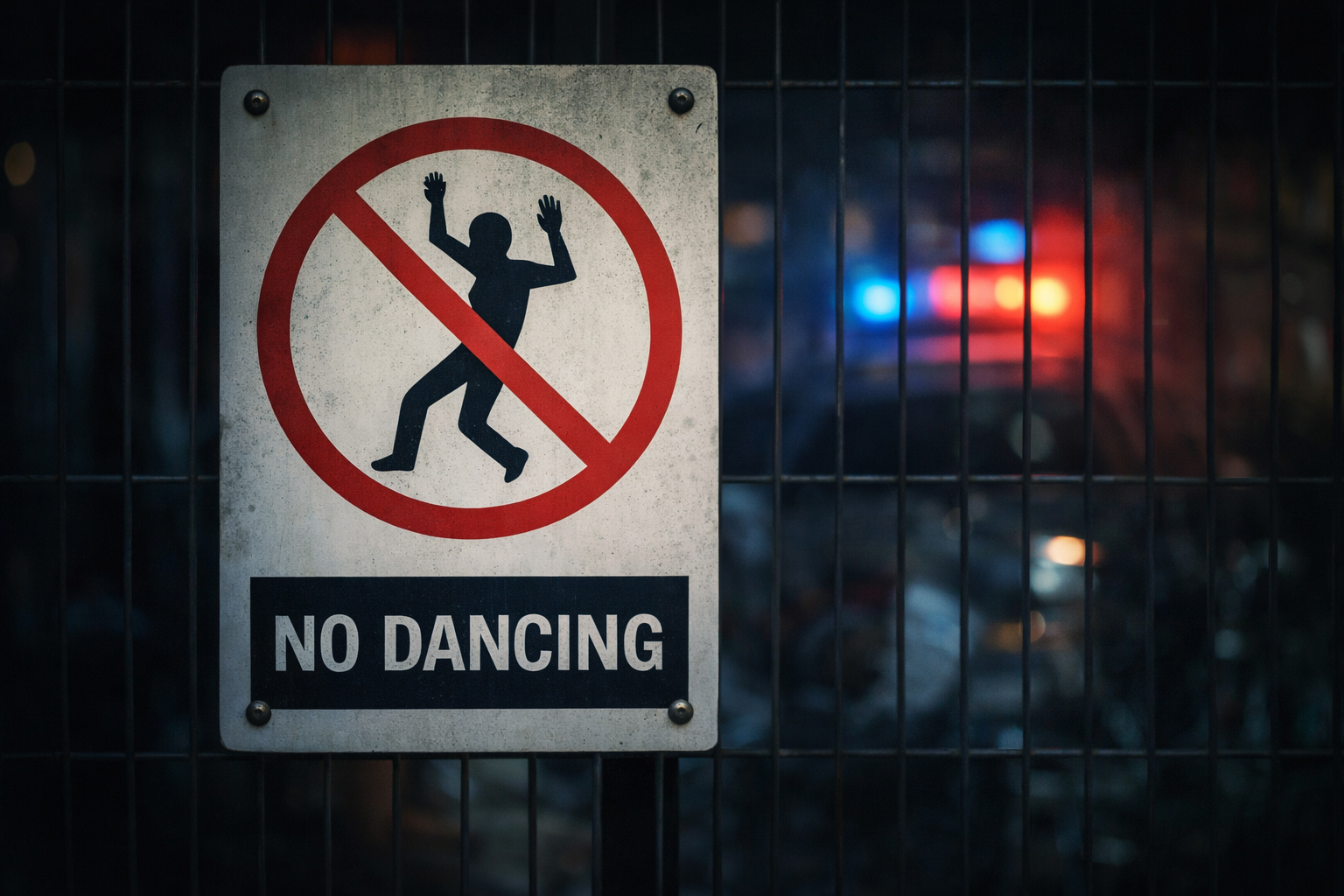
If you explain this era only through regulations, licenses, and policy language, you miss the most human part of the story. On the ground, the contradiction was much simpler. The room was there. The DJ was there. The speakers were there. The songs were there. The crowd was there. But people were being told not to move.
That is why the moment stayed with me. It was not just a legal oddity. It was a direct conflict between nightlife culture and the basic human reaction that music is meant to create. Remove dancing from a dance space, and you do not merely regulate it — you turn it into something else.
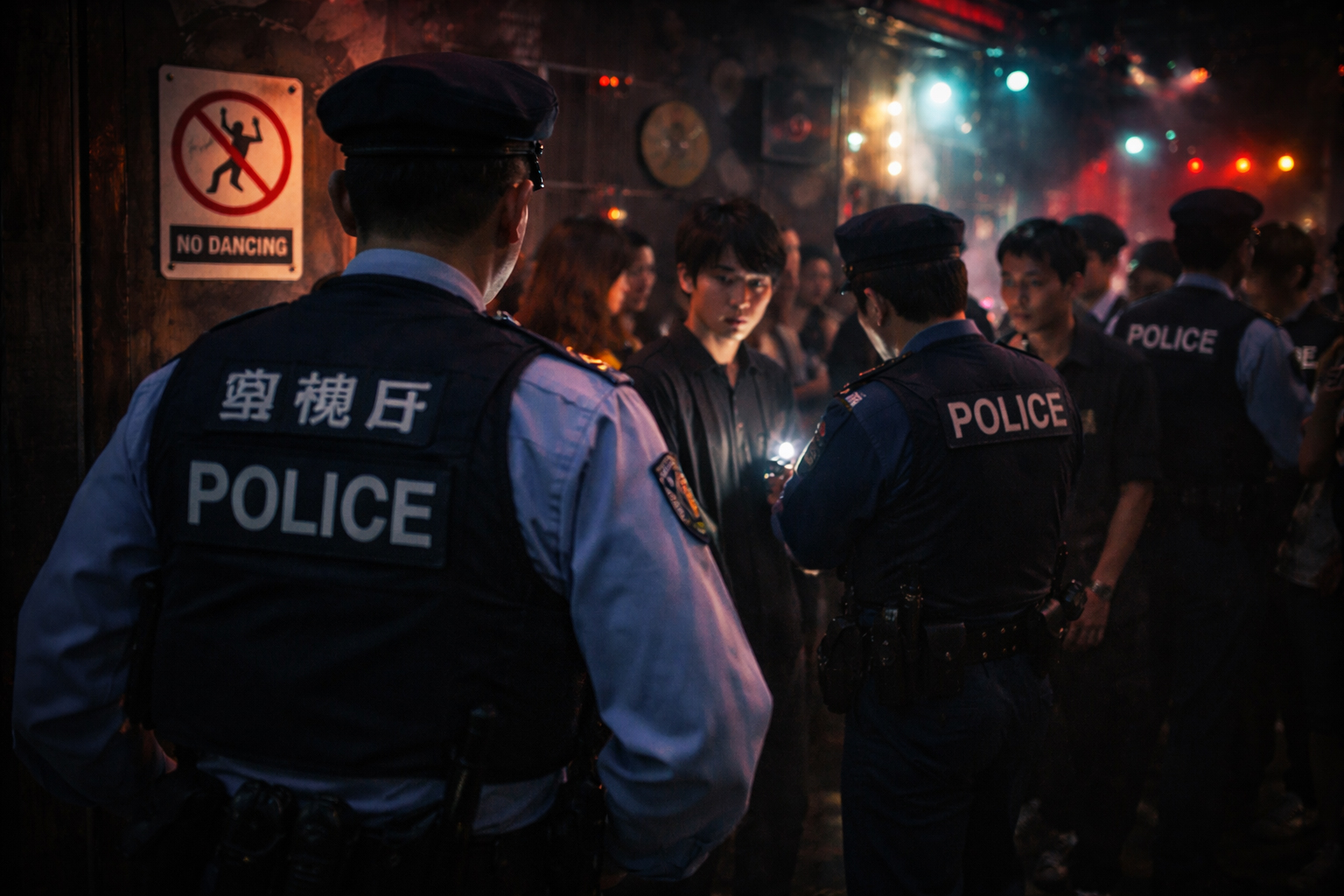
In the early 2010s, nightlife spaces were suddenly treated less as culture and more as something to police.
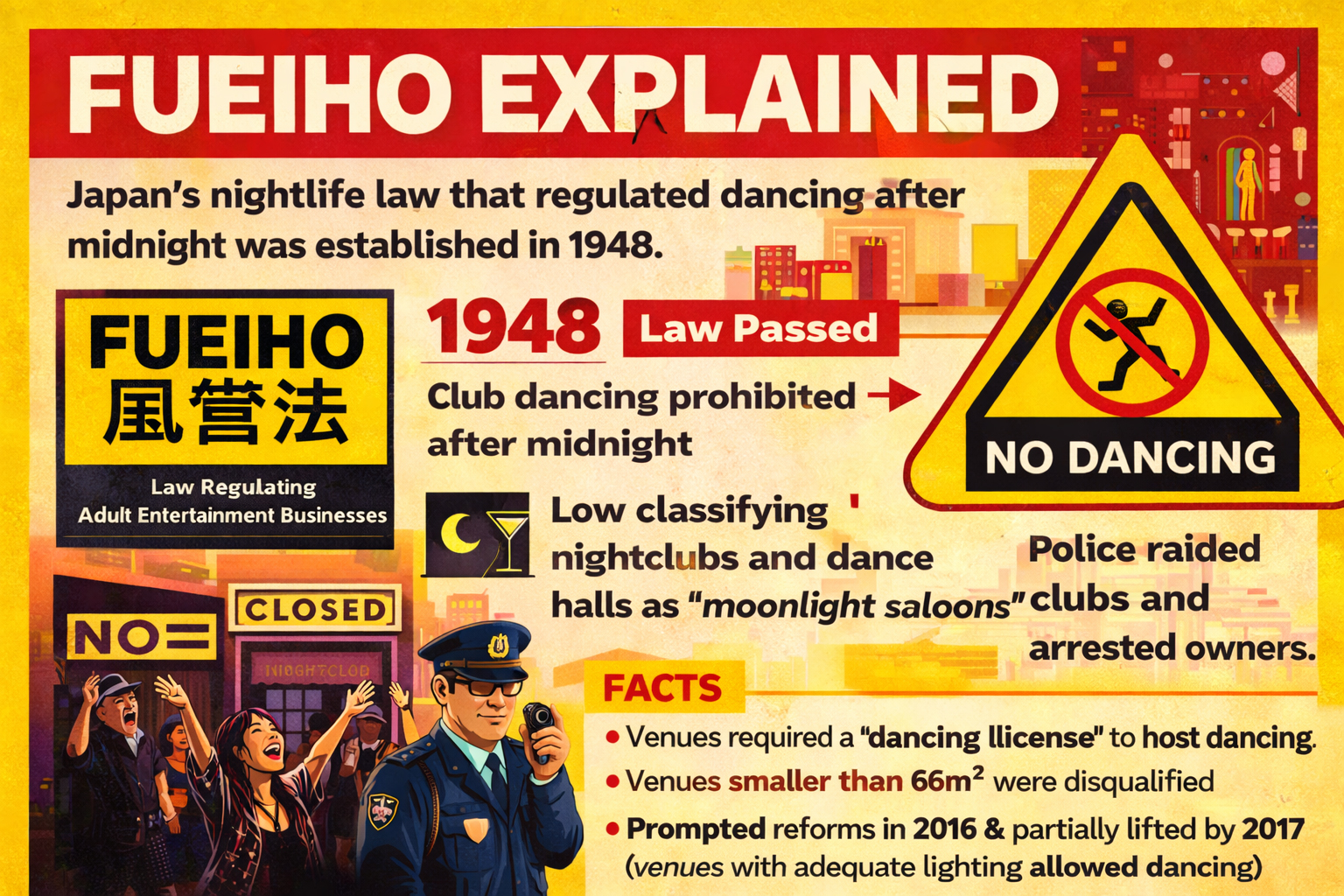
Before people learned the legal details, they first experienced the contradiction in their bodies.
If it had been a silent room, maybe the absurdity would not have hit so hard. But this was Motown. The whole point of that music is rhythm, groove, joy, memory, motion, and release. To play Motown and tell people not to dance is like showing them the ocean and telling them not to feel the tide.
That is why the line still works. It was not just a clever comeback. It was the shortest possible statement of common sense.
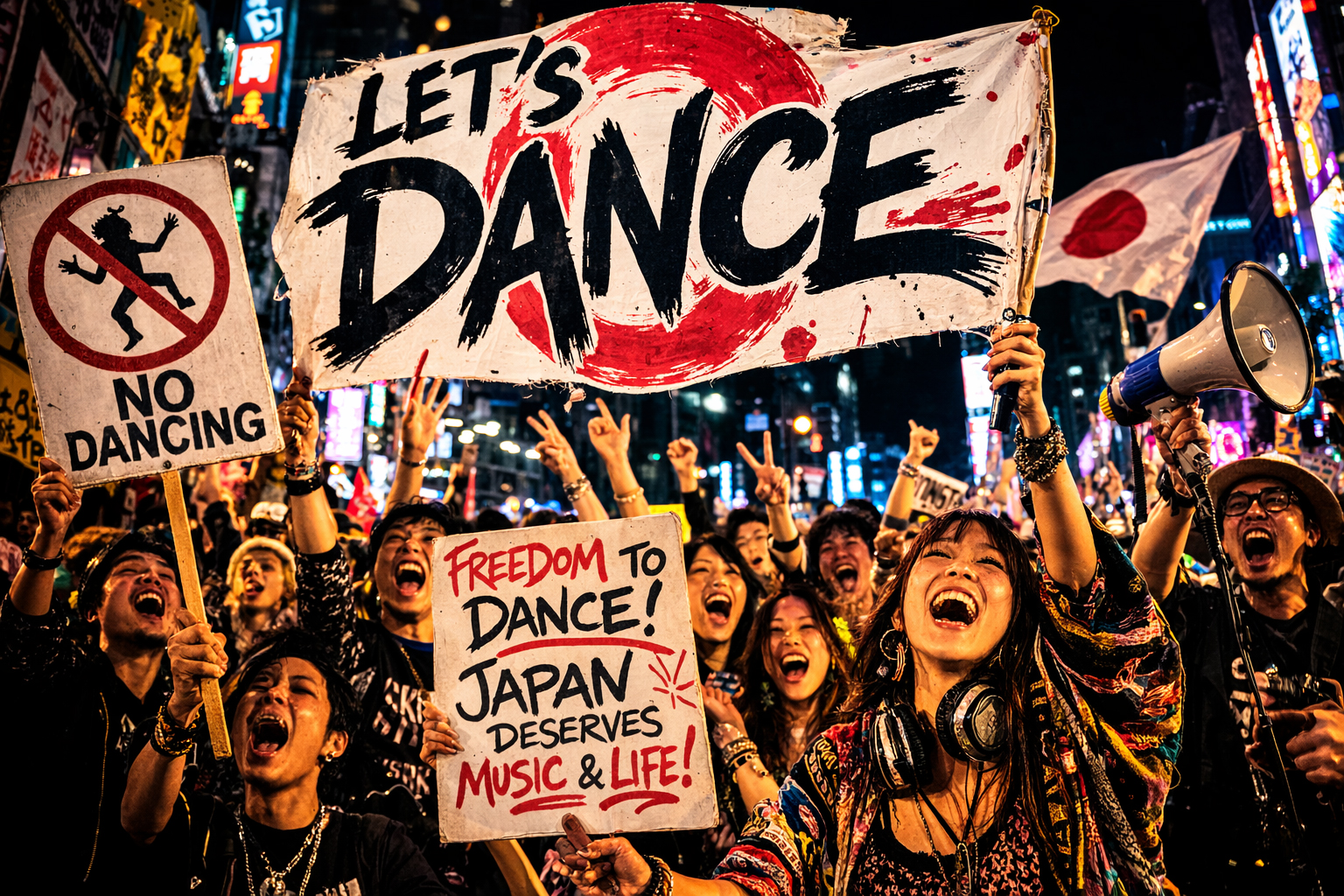
People still gathered. They still wanted to hear the songs, see their friends, revisit old rooms, and feel that familiar charge in the air. That is why the crackdown years are remembered not simply as a regulatory period, but as an unnatural brake applied to a living culture.
Japanese dance culture has a very long arc, from festival circles and ritual movement to discos, clubs, live houses, and late-night city energy. In that bigger flow, the command not to dance always sounded like an intrusion.
In that moment, I did not just hear a rule. I heard nightlife colliding with its own nature.
I do not want to keep this line alive just because it sounds good. I want to keep it alive because it captures something essential about Tokyo nightlife: how human it was, how musical it was, how physical it was, and how ridiculous it felt when that reality was denied.
Clubs become culture because of everything around the room — friends, DJs, memories, jokes, reunions, sweat, sound, and chance. That is why I still think the answer was correct. If you are going to play Motown, people should be allowed to dance.
A memoir about the friends, DJs, and characters who made the district live.
The historical and legal background behind one of nightlife's strangest eras.
A closer look at one of your go-to places and the contradiction of that era.