Gas Panic
Gas Panic and Mike
The small-world story that began in the biggest city on earth.
Clubs are never only about rooms, addresses, or laws. What really moved Roppongi at night were the people: friends, DJs, characters, and the human energy that turned Tokyo nightlife into memory.
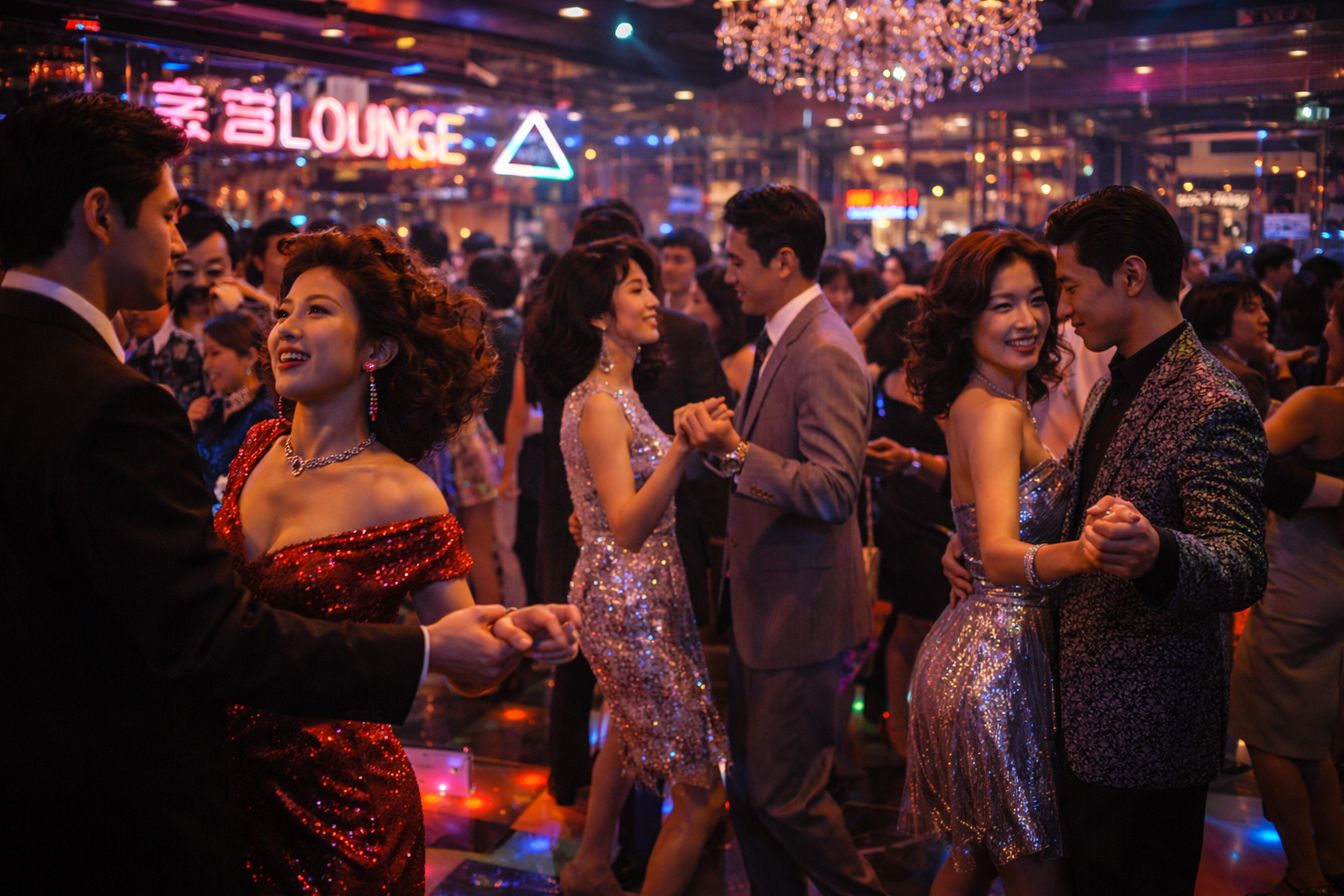
I arrived in Tokyo in 1989, right at the peak of the bubble. The city felt supercharged. Money moved fast, music moved faster, and at night Roppongi seemed to become its own universe. But when I think back on what made those years unforgettable, I do not think only about club names. I think about the people.
Clubs were not just places. They were powered by personalities.
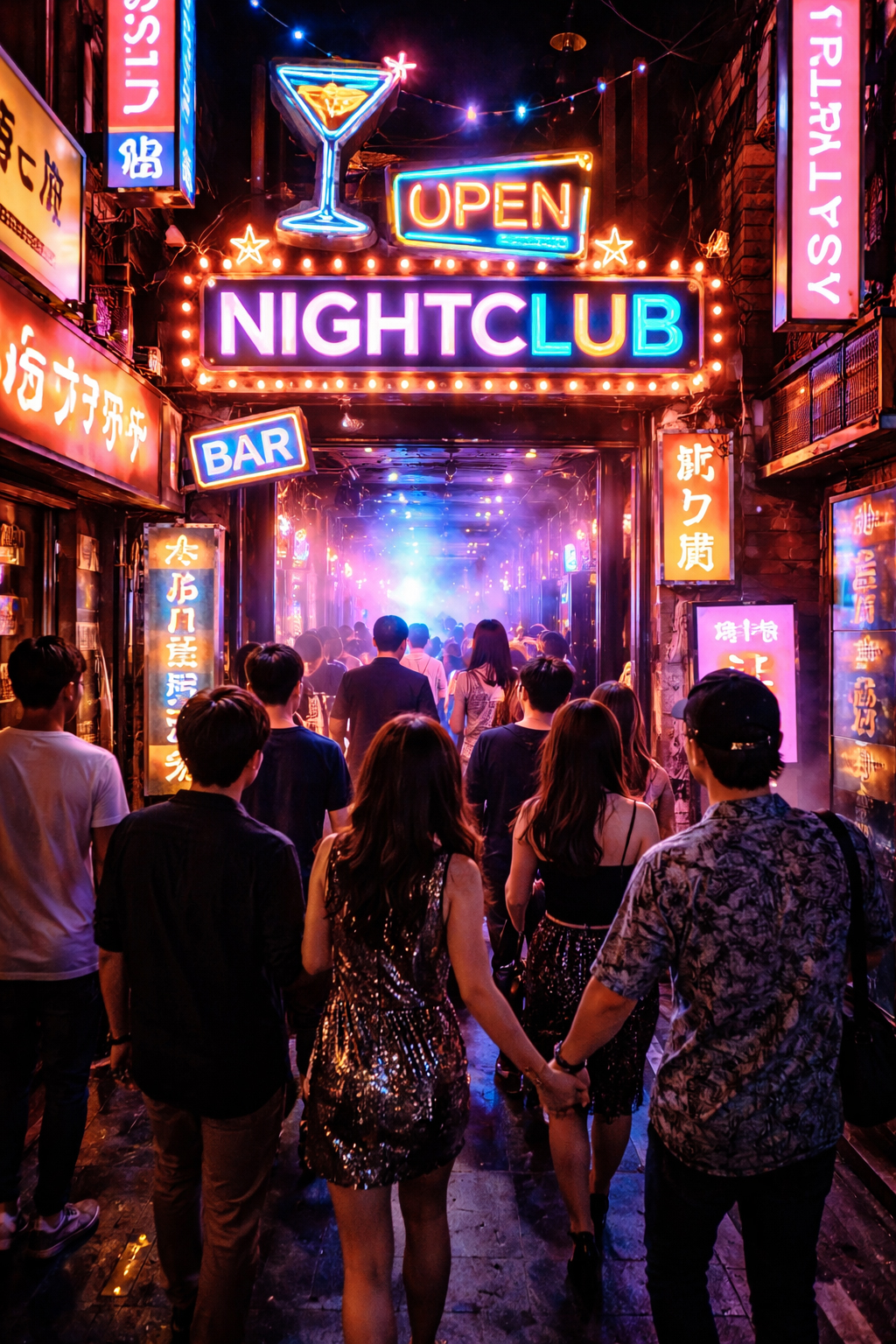
During my first week in Tokyo, my first stop in Roppongi was Gas Panic. It was wild, loud, crowded, rowdy, and instantly memorable. That was where I met Mike , and we became lifelong friends. In the middle of that chaos, I mentioned that I knew the owners of Shoe Goo because they had sponsored a 10K race I had arranged in California. Mike looked at me and said that he was the one selling Shoe Goo in Japan. In the biggest city in the world, the world suddenly felt tiny.
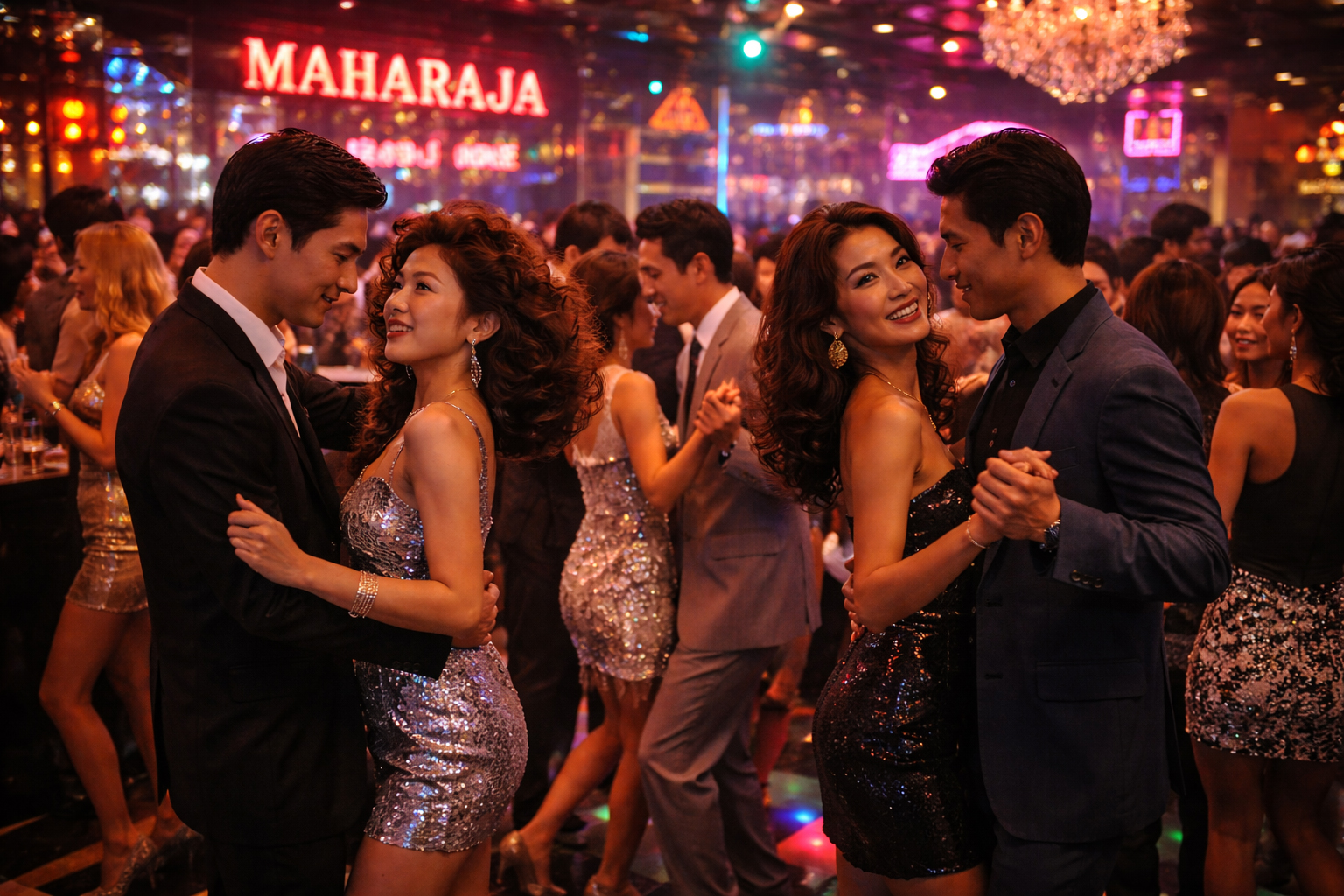
Roppongi was never about one single venue. The night flowed. One place led to another. One conversation became the setup for the next room. The soundtrack changed, the crowd changed, and the mood of the night shifted block by block. Java Jive was one of the places that got into my blood early. It had that exact late-bubble mix of confidence, style, speed, and danger that made Tokyo nightlife feel larger than life.
By the 1990s, when I was running my internet company in Tokyo, the city had a different but equally powerful rhythm. We had 65 young employees, and the building felt packed with ambition, flirtation, energy, and motion. One of our go-to places was Motown Roppongi. If music like that was playing, people were going to dance. That seemed like the most natural truth in the world.
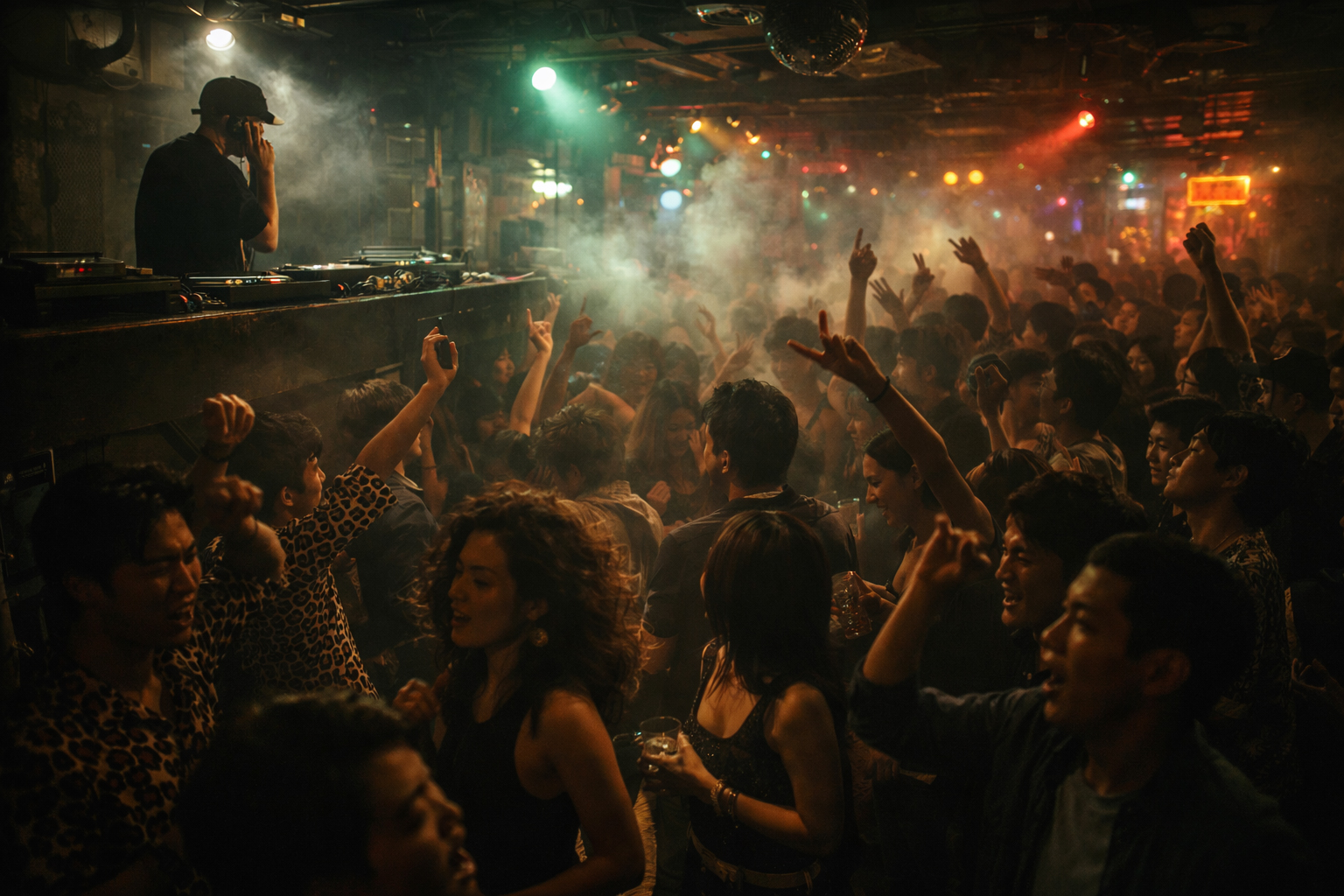
Roppongi was not only a party district. It was a social engine where introductions, ideas, business, romance, and absurd coincidences kept colliding.
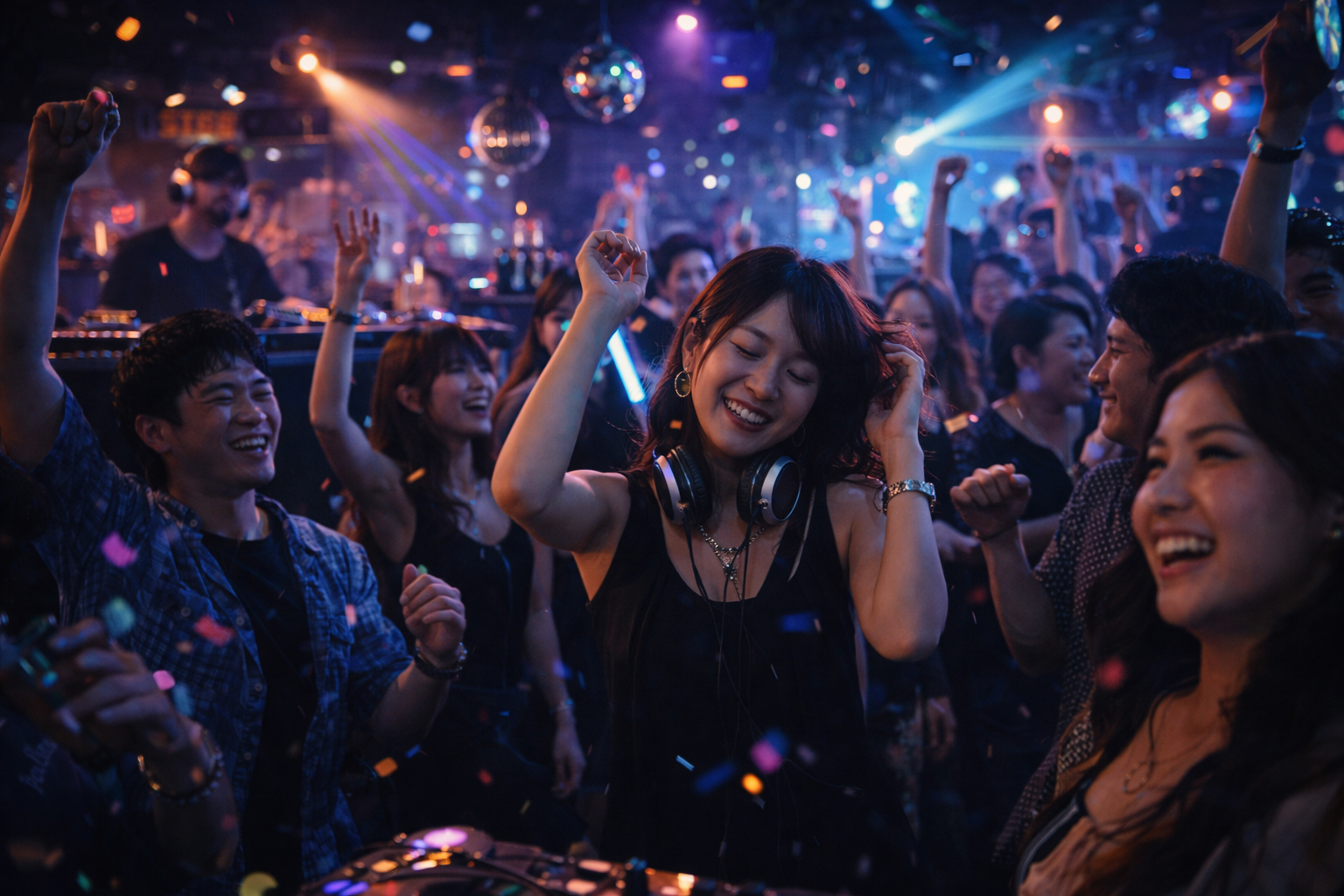
Venues close. Signs disappear. But the faces, voices, jokes, and songs attached to a room survive.
You cannot explain nightlife with architecture alone. DJs matter. Promoters matter. Friends matter. The people who know how to read a room and shift its gravity matter. For me, DJ Joey Slick belongs in that category. He was, and is, a great friend of mine, and one of the people who helped define what a great Tokyo night felt like.
A real DJ does not just play songs. A real DJ changes the chemistry of the room. He knows when to lift the floor, when to tighten the tension, when to make the room sweat, and when to let memory pour in through a familiar groove. That is part of what made Roppongi move.
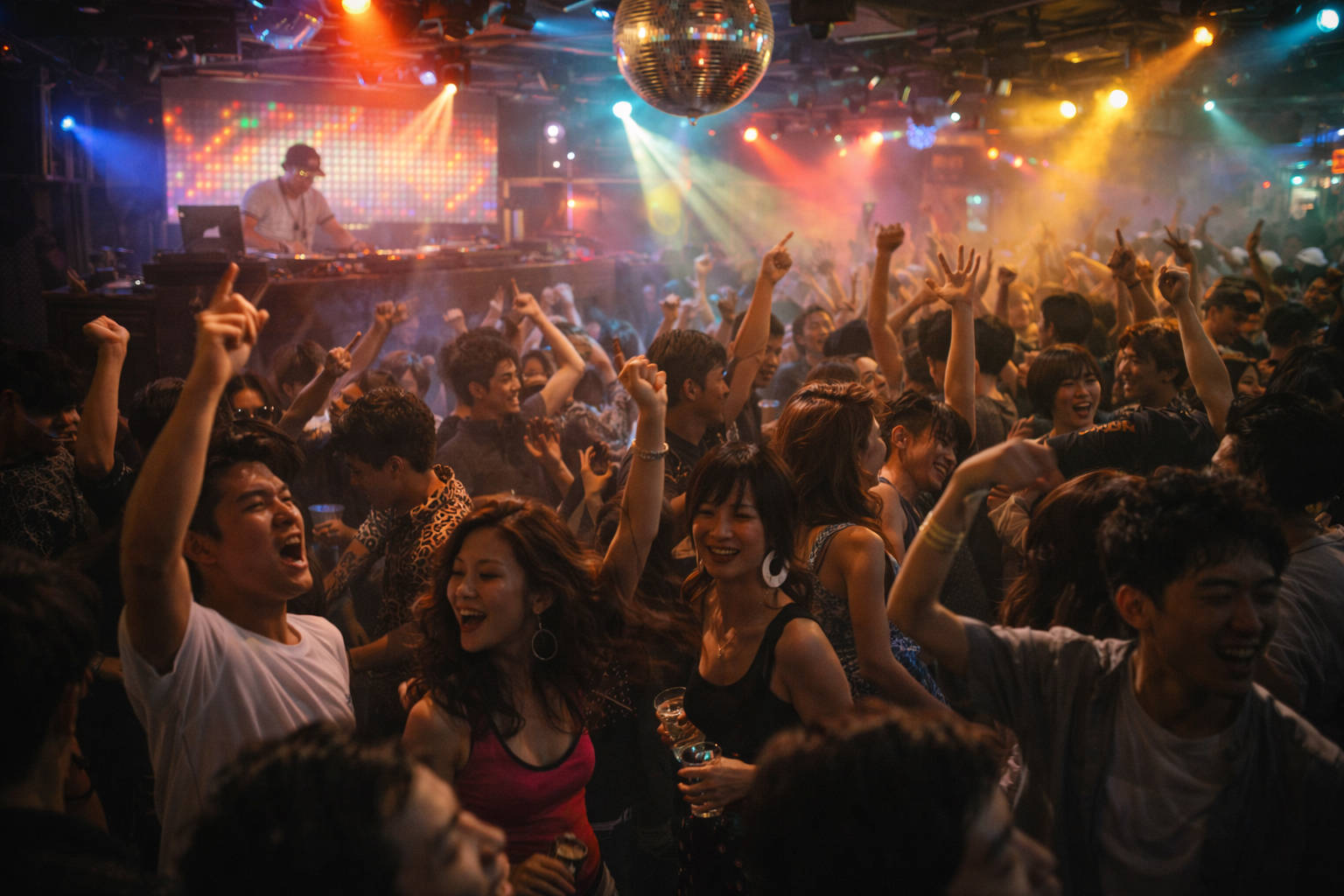
Then came one of the strangest moments in modern Japanese nightlife. In 2012, I went to Motown and was told that dancing was now against the law. The contradiction was too ridiculous to ignore. My answer came out immediately:
“Well, if we can’t dance, then you can’t play Motown.”
It was funny, but it was also true. Music built for dancing, in a room built for dancing, suddenly placed under a rule that treated dancing itself as the problem. That moment captured the absurd side of the crackdown better than any policy summary ever could.
Mike . DJ Joey Slick. Friends, characters, and the people in the room. They were the ones who made Roppongi move.
That is why I do not want this site to be only a clean, distant history of Japanese dance culture. Yes, it should include Bon Odori, Bugaku, discos, clubs, crackdowns, reforms, and all the bigger arc. But if you want the real feeling of Roppongi, you also need the people.
The city was full of famous names and famous venues, but the real force of the night often came from the people who animated it. The friend you met in a crowded bar. The DJ who changed the room. The regular who carried a story from one decade into the next. Those were the people who made the district live.