Bubble Tokyo
Champagne, Dancing, and Hostess Clubs
A more sensory memoir of the atmosphere that followed after landing in 1989.
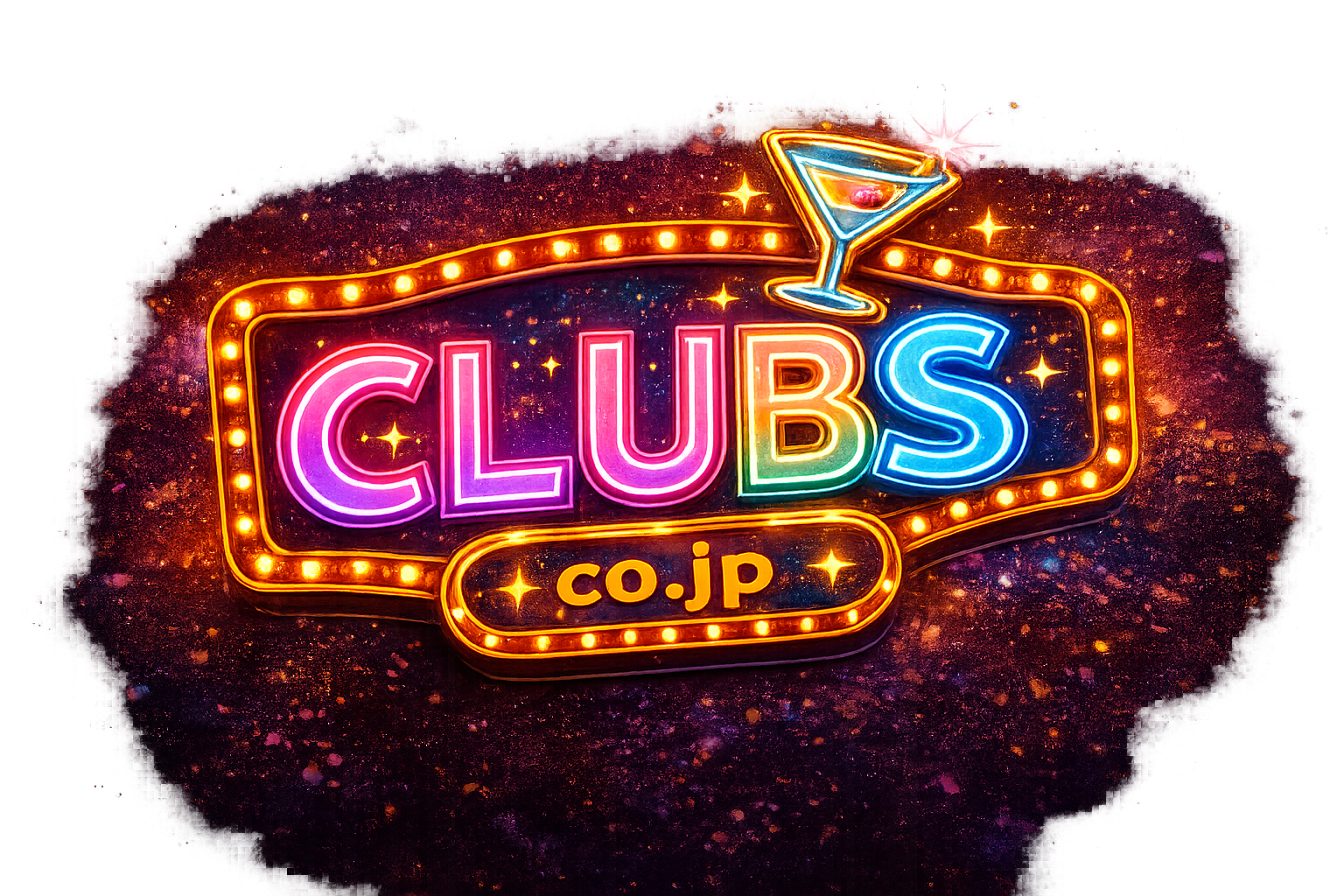
I arrived in Tokyo in 1989, right at the exact peak of the bubble. That timing shaped everything that came after — how I saw the city, how I understood Roppongi, and how I remember Tokyo at night.
Tokyo was special to me from the beginning. But Tokyo in 1989 was more than special. It was a city completely convinced of its own momentum. It was bright, fast, expansive, and confident. And nowhere did that confidence show more strongly than at night.
That was the year I arrived. Looking back, the timing mattered more than I understood at the time. If I had come earlier, I might have felt more of the climb. If I had come later, I might have started with the afterglow or the adjustment. But I arrived at the top.
I did not just arrive in Tokyo.
I landed at the top of the ascent.
The atmosphere of Tokyo then was something you felt physically before you could explain it. The speed of people on the street. The intensity of conversation. The way rooms filled. The way late night did not feel late at all. In Roppongi, that sensation became even more concentrated. It was a district where the city seemed to move faster after dark.
Neon, taxis, clubs, bars, hostess clubs, lounges, discos — they were not isolated categories. Together they made up one giant nighttime circuit. People moved through it constantly, meeting, laughing, being introduced, drifting from one room to the next.
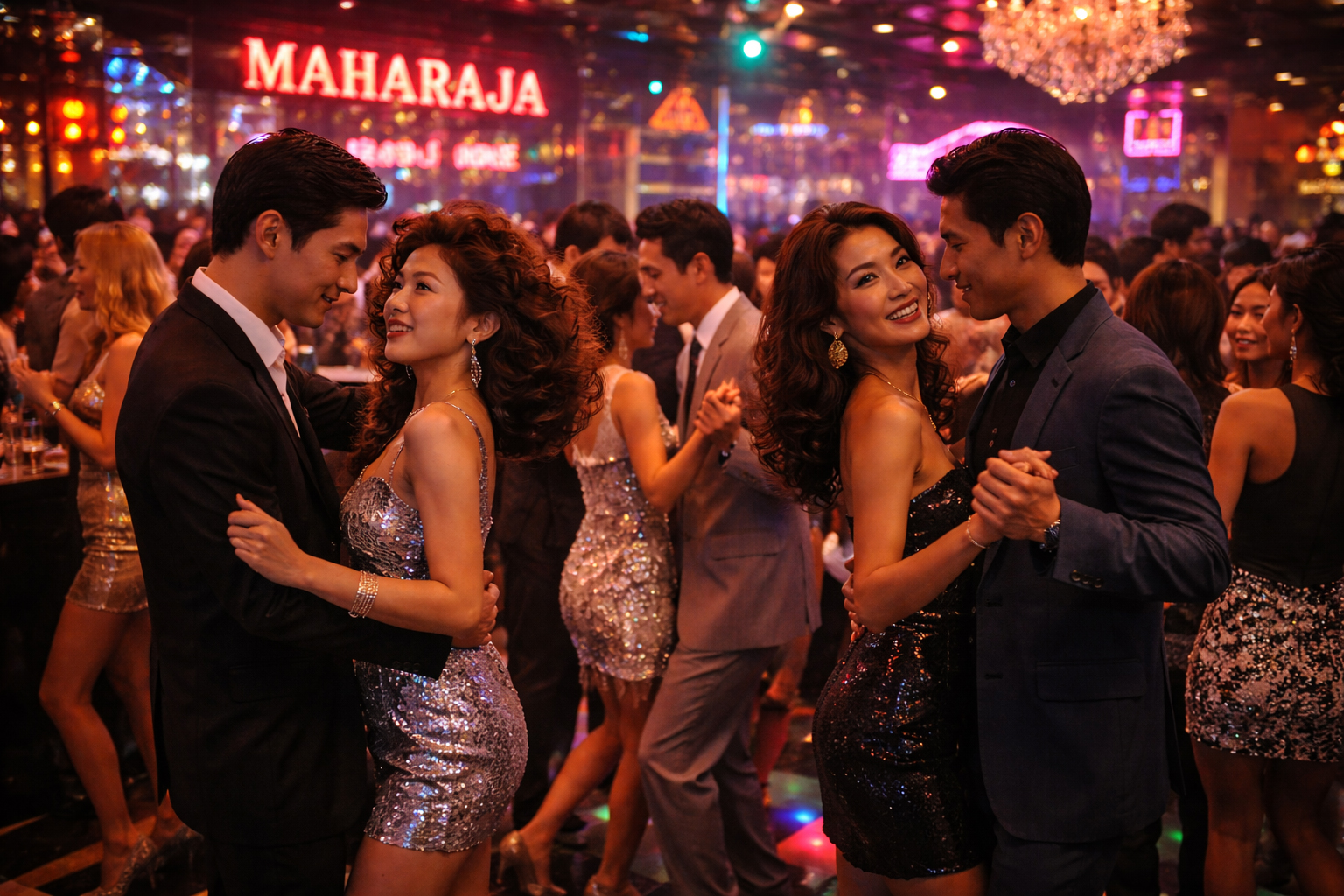
Roppongi contained everything in concentrated form: internationalism, ambition, money, flirtation, glamour, danger, confidence, and motion. To me it was never only an entertainment district. It was the place where Tokyo showed how it imagined itself.
The first time I stepped into that atmosphere, I did not only think it was exciting. I felt that it was moving at a speed unlike anywhere else. That impression stayed with me. Even years later, it was hard to find another place with that exact combination of scale and pressure.
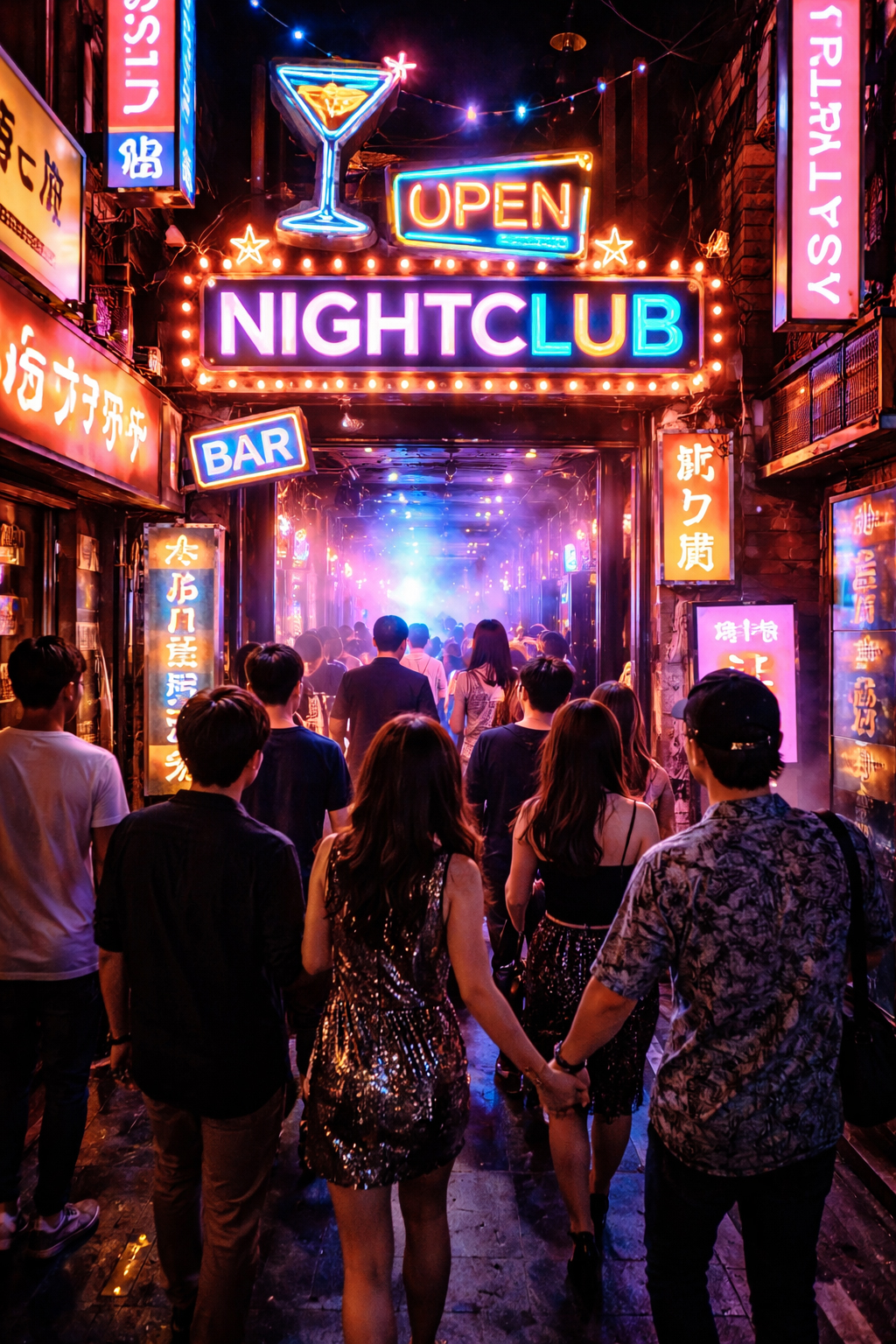
The spectacle did not stop at the club door. Even the streets felt lit for performance.
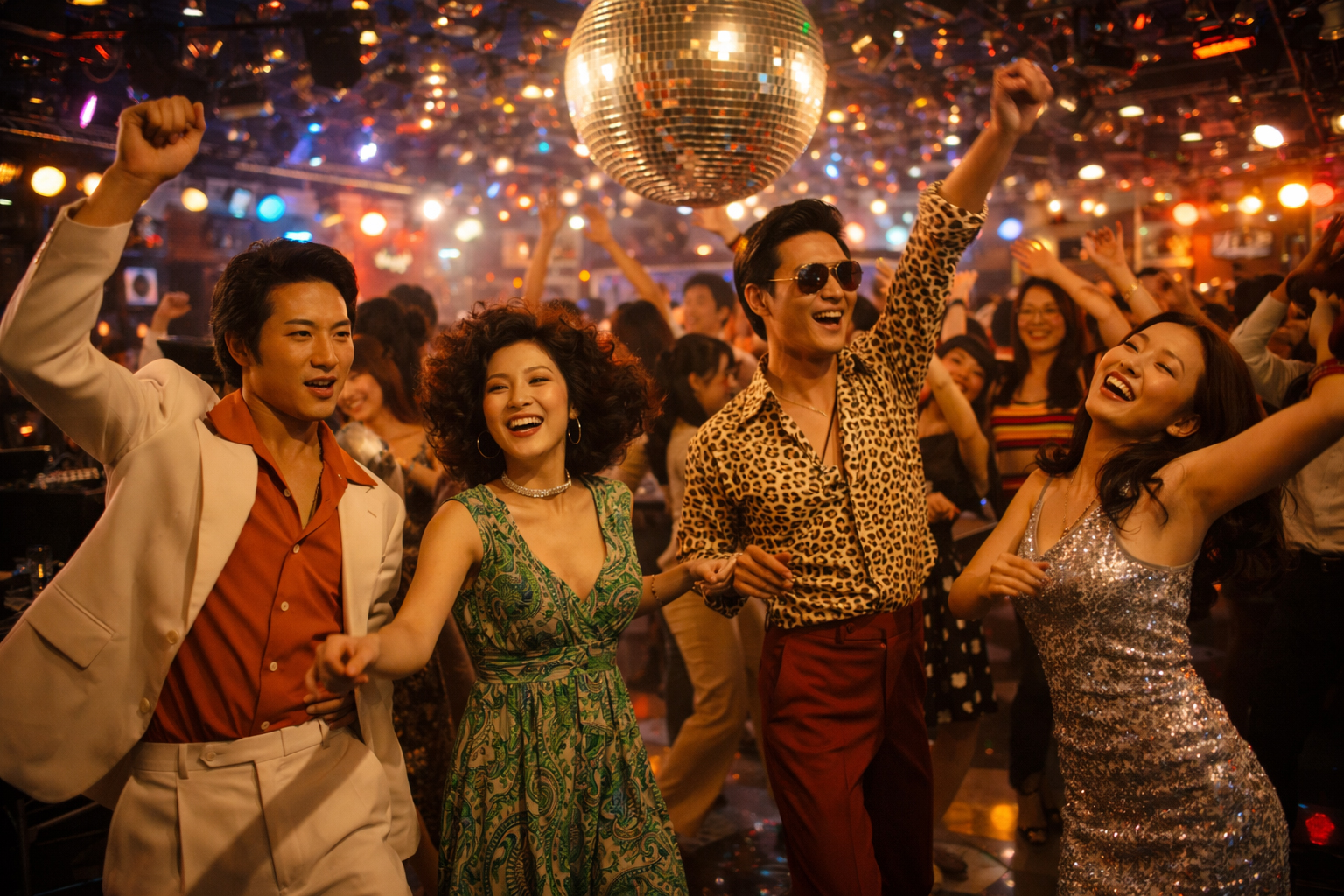
In those nights, sound and motion belonged together. Dancing felt like the city's reflex.
When I say those years were champagne, dancing, and hostess clubs, I do not mean that as a shallow slogan. I mean it as the shortest honest compression of the atmosphere I walked into. Champagne was the sound of momentum. Dancing was the physical expression of the city. Hostess clubs were part of the social circuitry of the night.
People were not simply consuming nightlife. Tokyo was performing itself, enjoying itself, and extending itself through those rooms. Roppongi sat close to the center of that performance.
Arriving in 1989 is not just a date in my story. It is the foundation of how I came to understand Tokyo. The first version of a city that you meet often becomes the one you measure everything against. For me, Tokyo began as hot, fast, glamorous, excessive, slightly reckless, and overwhelmingly alive.
That is why later changes, regulations, and quieter periods always stood out so sharply to me. Once you have known the city in that earlier form, you cannot help seeing later eras against that original brightness.
My Tokyo was bright from the first day.
And it began at maximum brightness.
That feeling has never really left me. Tokyo is already a giant, layered, compelling city by day, but at night it reveals something deeper. In 1989, that nighttime self came out at full power.
People, sound, drink, conversation, neon, chance meetings, lifelong friendships, and routes from one venue to another — that map of the night is still alive in me.
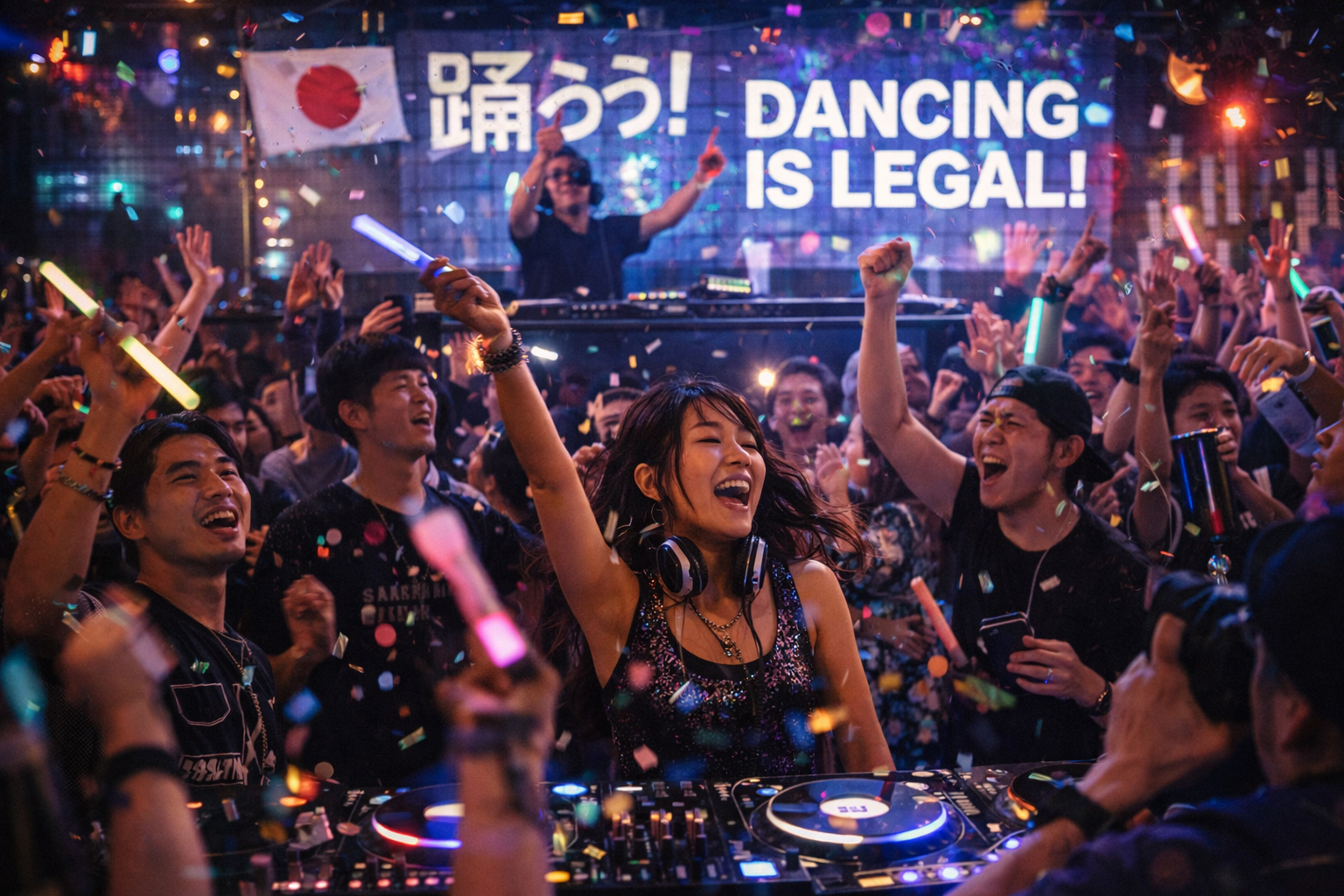
“I arrived at the peak of the bubble” is not a boast. It is a record. It explains the starting point of how I saw Tokyo. It is the base layer beneath my memories of Roppongi, Motown, Gas Panic, Java Jive, dancing, friendship, and even the later absurdity of the crackdown years.
I arrived in Tokyo in 1989. And Tokyo really was extraordinary. I still think it was lucky to enter such a powerful city at such a powerful moment.
A more sensory memoir of the atmosphere that followed after landing in 1989.
The improbable coincidence that made Tokyo feel suddenly very small.
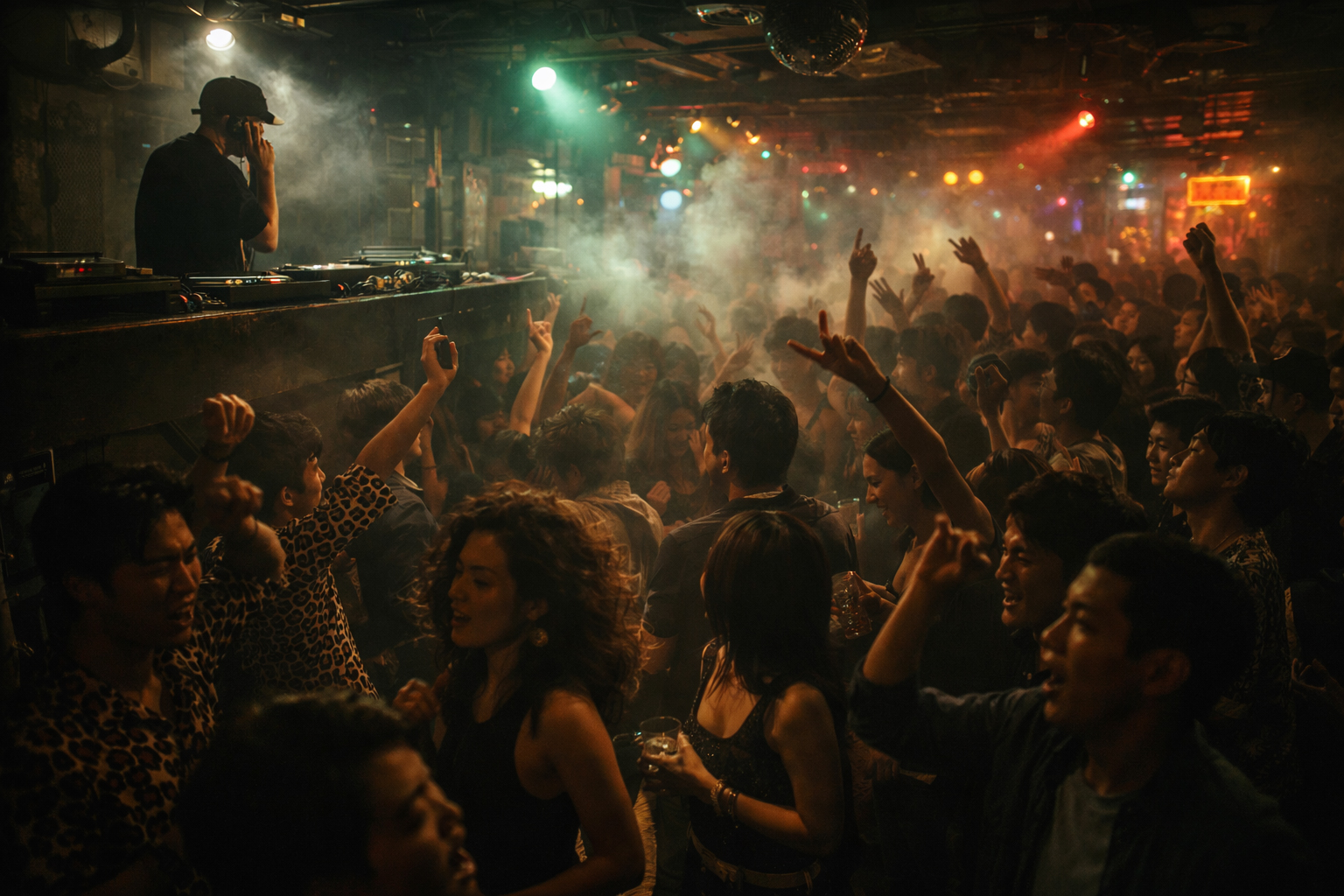
A memoir of the friends, DJs, and personalities who truly powered the district.