1989
I Arrived at the Peak of the Bubble
A memoir of landing in Tokyo at the exact moment the city was brightest and fastest.
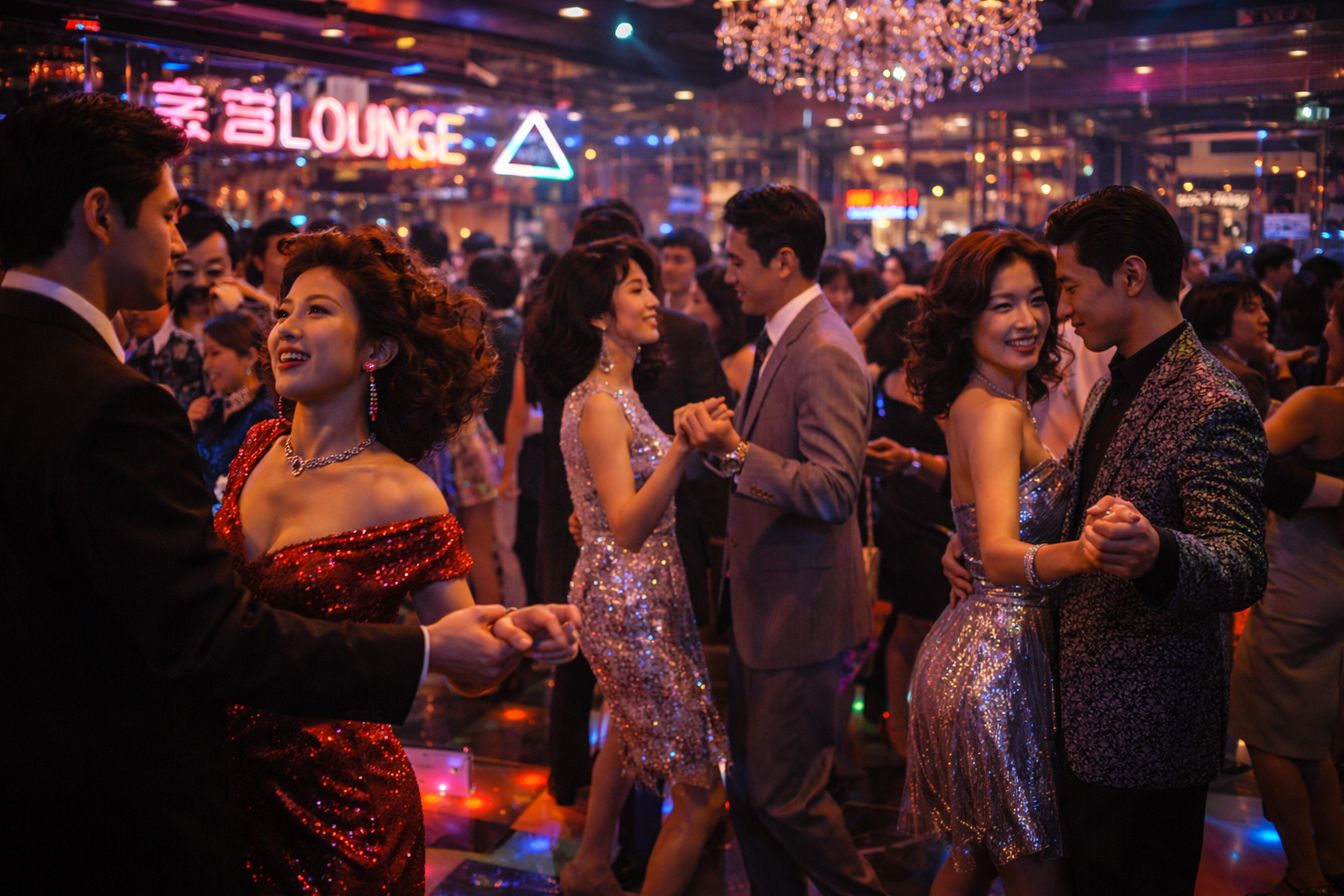
I arrived in Tokyo in 1989 at the very peak of the bubble. The years that followed felt like champagne, dancing, hostess clubs, neon, laughter, momentum, and a city that seemed to accelerate after dark.
Tokyo was fun. But “fun” is too small a word for what it felt like. I arrived in 1989, right at the peak of the bubble, when the city seemed to believe in its own unstoppable rise. Money was moving, people were moving, the streets were bright, and Roppongi at night felt like a compressed version of ambition, glamour, and speed.
If I had to reduce those early years to the most honest phrase possible, it would be this: champagne, dancing, and hostess clubs. Not because that is all Tokyo was, but because those words capture the atmosphere. They describe a city that treated the night as a stage, a performance, a promise, and a reward.
Tokyo became even more Tokyo at night.
Timing was everything. If I had come a few years earlier, I might have seen more of the buildup. A few years later, I might have felt more of the correction or the aftermath first. But I arrived at the peak, and that shaped everything.
You could feel it in the city itself: the pace of conversation, the way people entered rooms, the way bottles were opened, the density of taxis, the number of people still moving through the streets late at night. Tokyo was already a giant city, but bubble-era Tokyo had an added pressure and glow that made everything feel heightened.
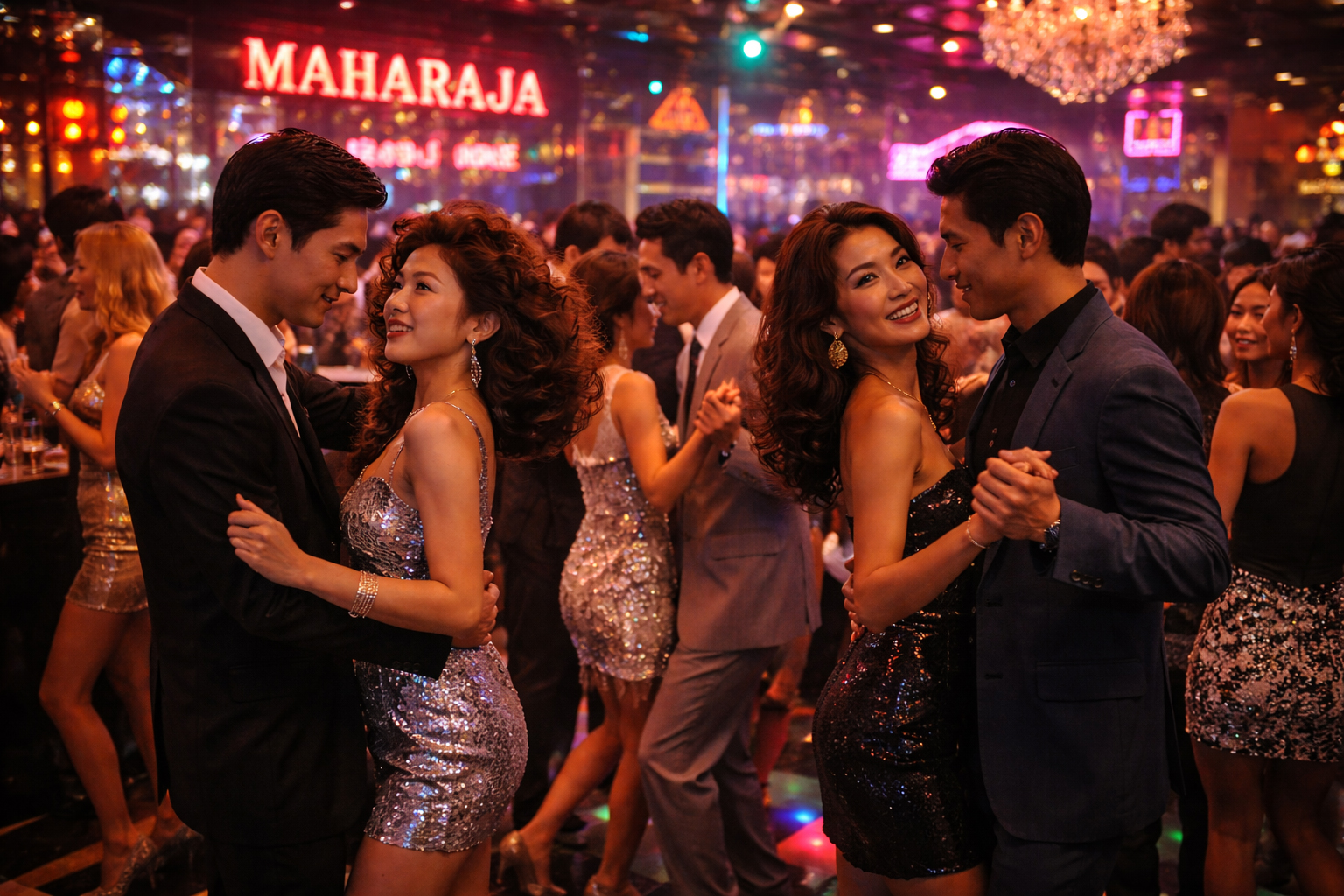
In bubble-era Tokyo, champagne was never just alcohol. It was mood, display, momentum, social temperature, and a signal that the night was moving into its next phase. The sound of a bottle opening could change the gravity of a room.
That is part of what made Roppongi feel so specific. Excess was not hidden. It was integrated into the rhythm of the night. Somebody laughed, somebody got introduced, somebody moved the group to another venue, and champagne often marked the moment when the energy lifted.
When a bottle opened, the room seemed to lift with it. That feeling was real in those years.
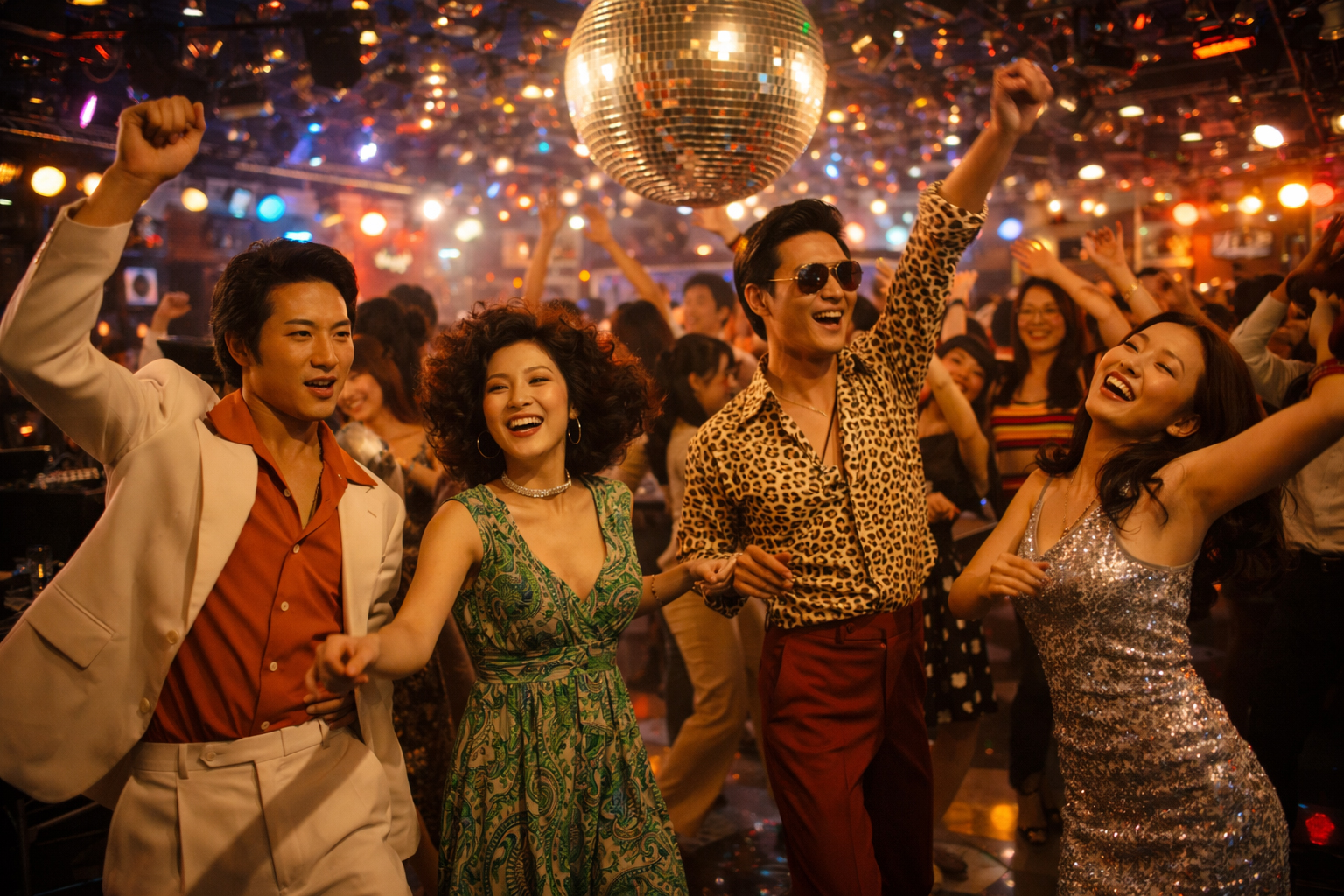
In those nights, people did not need to justify dancing. Music played, and the room responded.
When I remember Roppongi, I remember motion first. People flowing from venue to venue. DJs shifting the emotional center of the room. Dance floors becoming the real heart of the night. In bubble-era Tokyo, dancing did not feel like an accessory. It felt like the natural physical expression of the city’s energy.
That is one reason the later crackdown years felt so strange. Once you have known the earlier naturalness of those nights, it becomes impossible to believe that dancing was ever some optional or suspicious add-on. It was central.
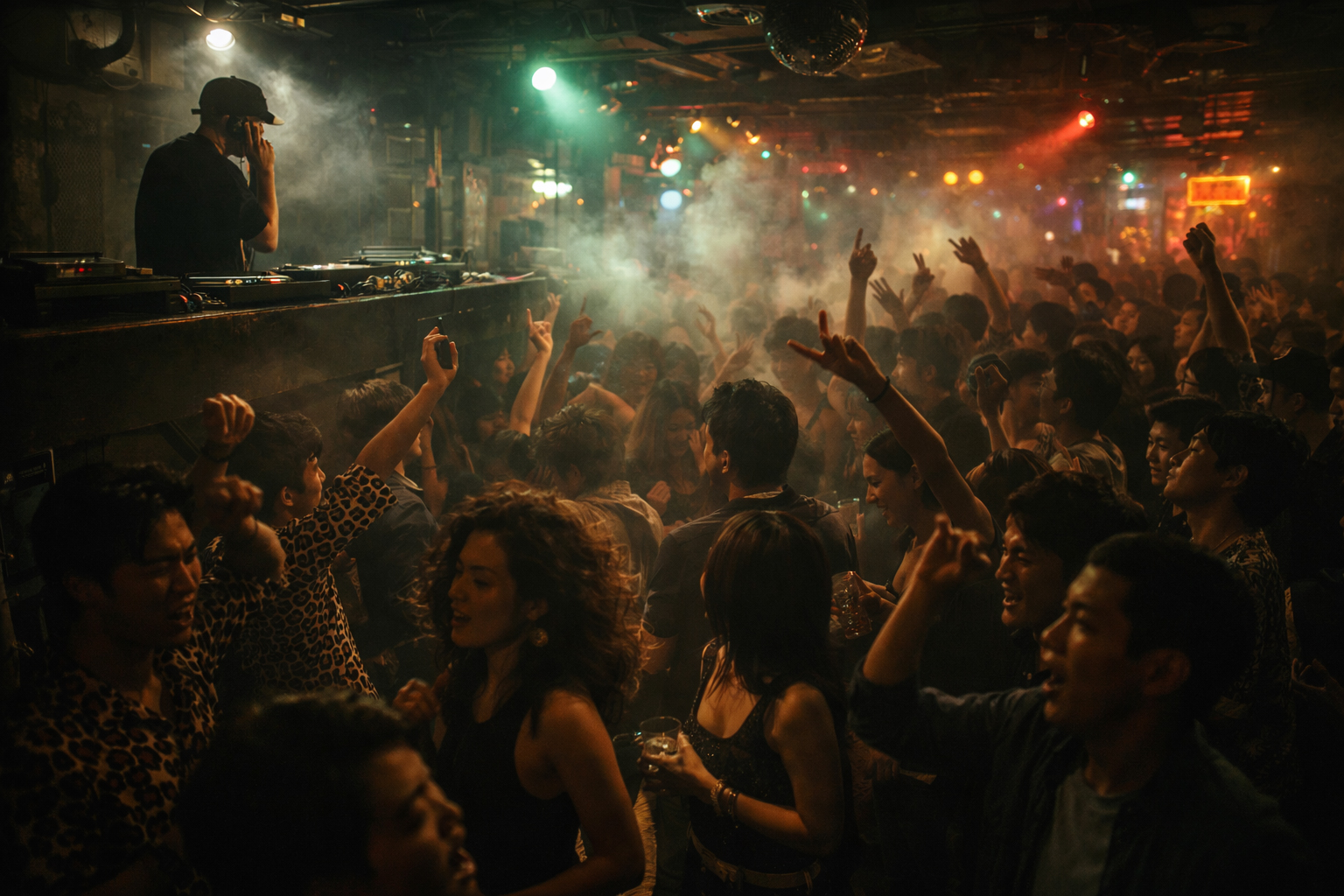
The phrase “hostess clubs” can sound flattened or misunderstood from the outside. But in that Tokyo, they were part of a larger nightlife ecology. Conversation, entertainment, status, introductions, performance, hospitality, ego, and urban ritual all lived there.
Roppongi worked because different types of venues coexisted. Clubs, discos, bars, lounges, hostess clubs, after-hours places — each offered a different texture, and people moved through them. That movement itself was one of the defining features of Tokyo nightlife.
In those years, staying in one venue was less Tokyo than moving through the night.
From 1989 into the next years, Roppongi often felt like a giant performance space with no clear line between audience and cast. Everyone was partly watching and partly being watched. Clothes mattered. Timing mattered. Who you were with mattered. Which room you were heading to next mattered.
What made the city special was not only money, though money mattered. It was also the feeling that the future was still expanding. Japan was moving fast, and the city’s confidence was visible at night. Roppongi translated that confidence into rhythm, glamour, and momentum.
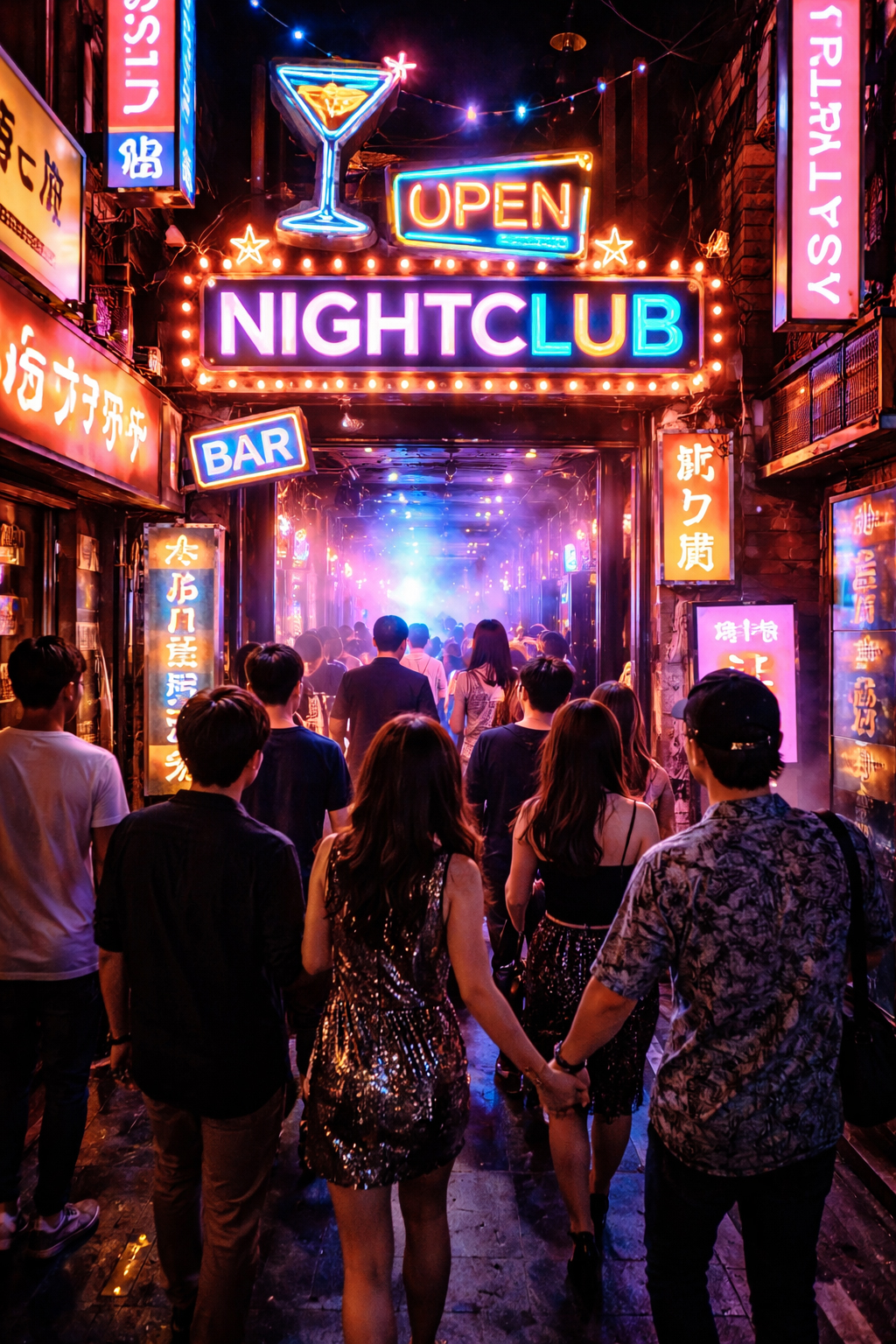
In Roppongi, the spectacle did not stop at the door. Even the streets felt staged.
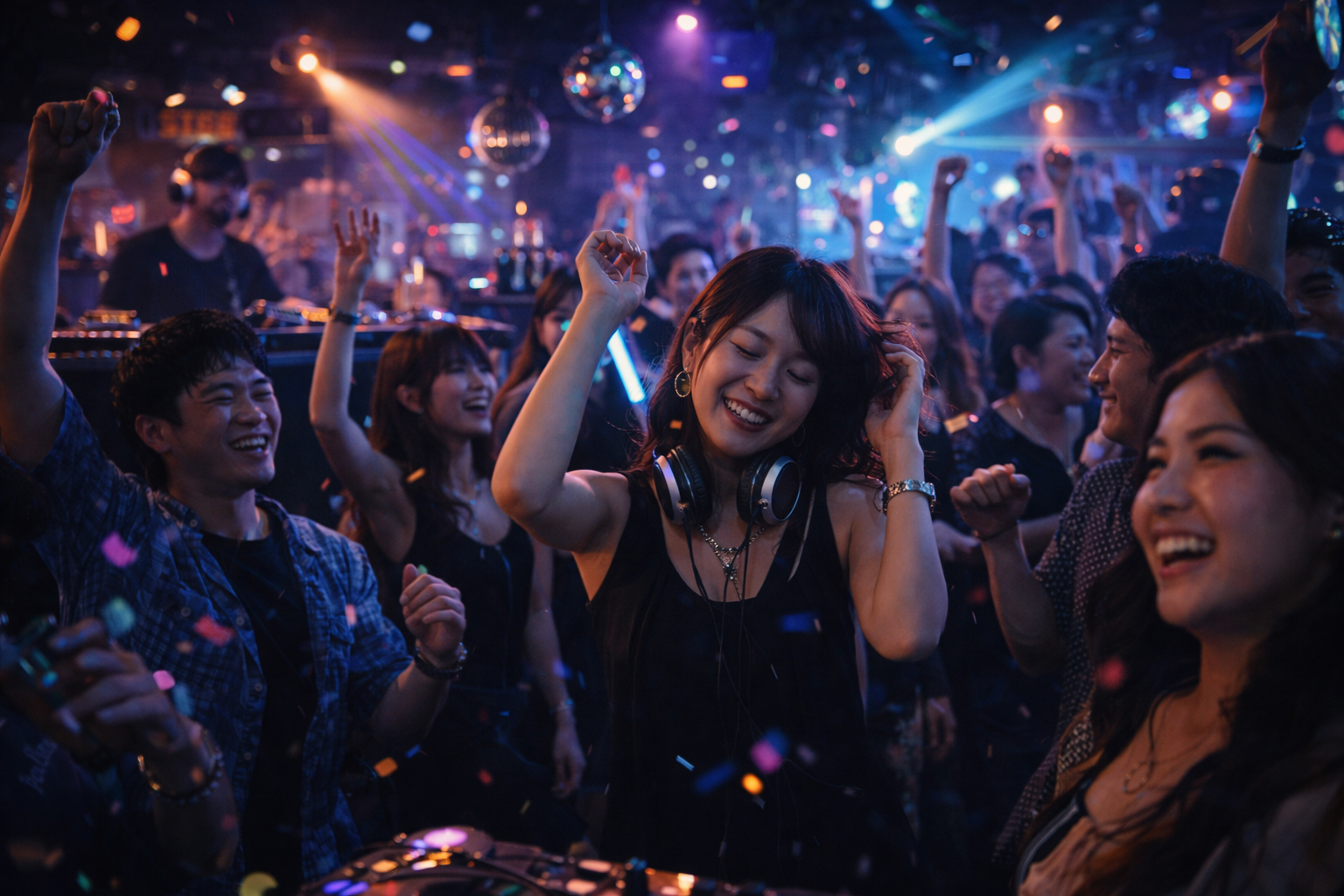
The pressure of a young city and young people colliding could almost be seen in the air.
Of course the bubble did not last forever. But that does not weaken the memory. If anything, it makes the brightness easier to see. Knowing that an era ended often makes its emotional texture even more vivid.
Those years were not only flashy. They were the years when Tokyo seemed to believe in itself most intensely. And I happened to arrive close to the center of that feeling.
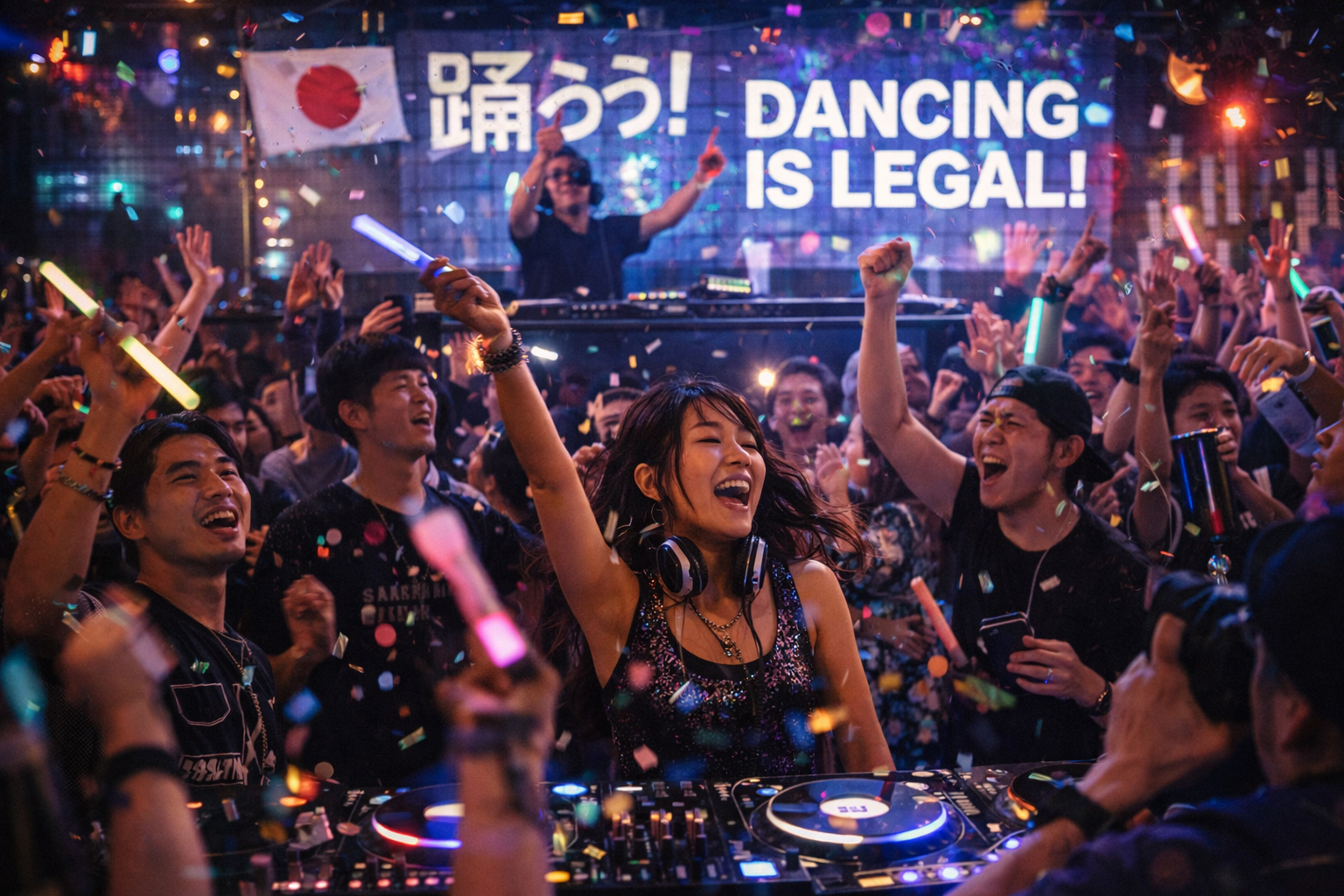
Champagne, dancing, and hostess clubs. To me, that is not a shallow list of indulgences. It is the shortest honest compression of the atmosphere I found when I landed in Tokyo in 1989.
Roppongi nightlife was flashy, ridiculous, beautiful, hot, funny, a little dangerous, and overwhelmingly human. I arrived in that era. I still think about how lucky that was.
A memoir of landing in Tokyo at the exact moment the city was brightest and fastest.
The improbable small-world coincidence that happened in a wild Roppongi bar.
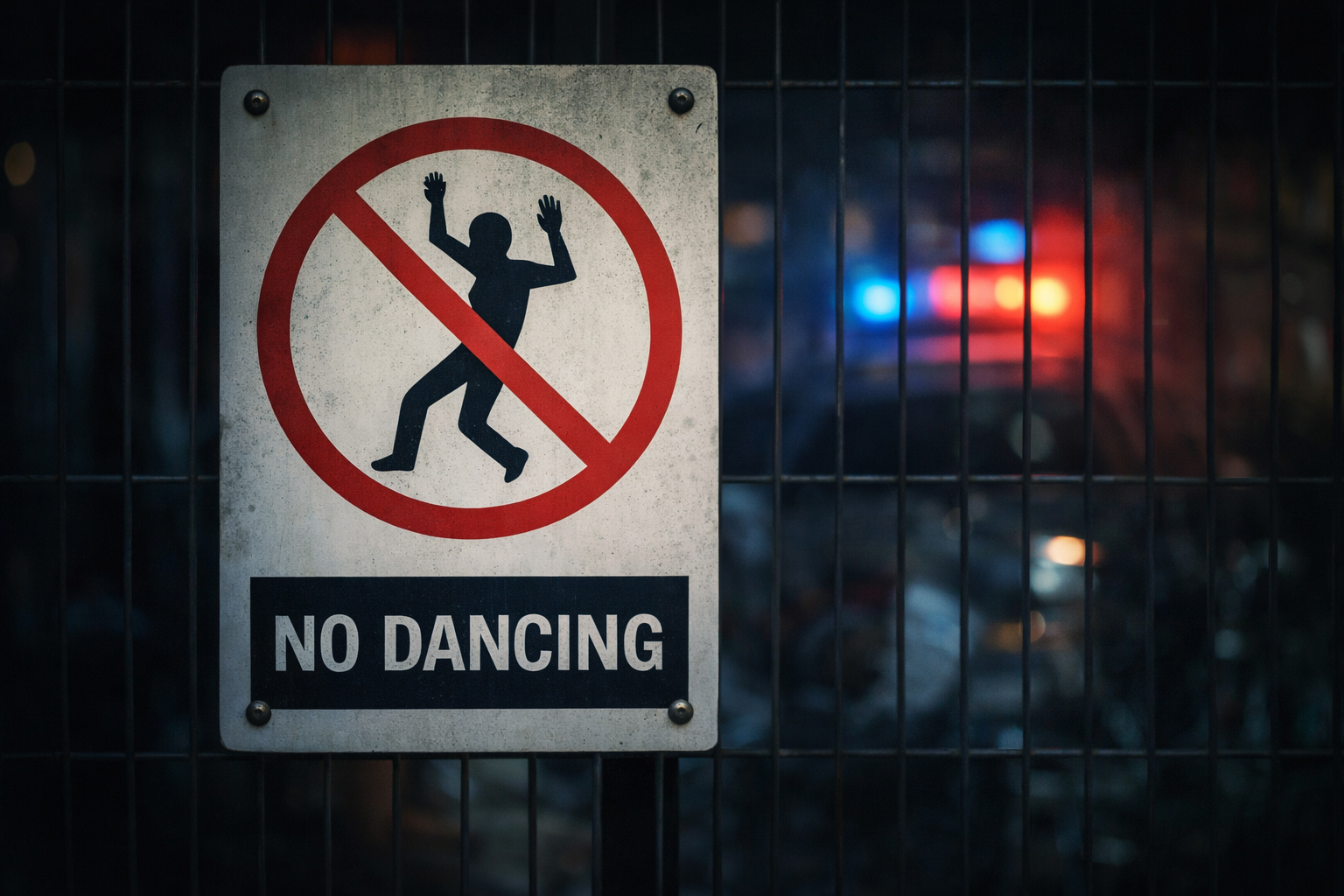
The contradiction of music for dancing meeting a law against dancing.