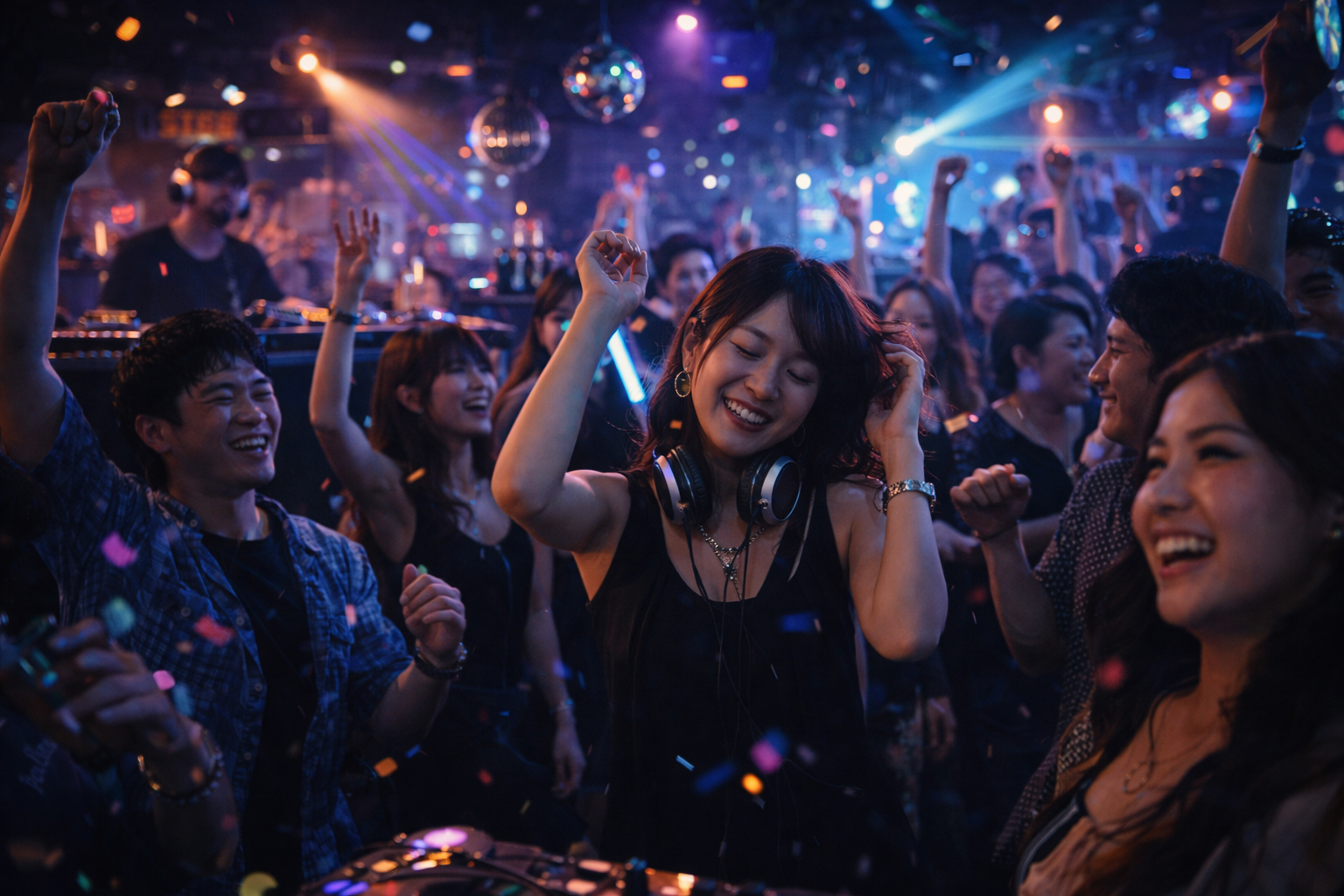
People
The People Who Made Roppongi Move
A memoir about the friends, DJs, and characters who gave the district its energy.
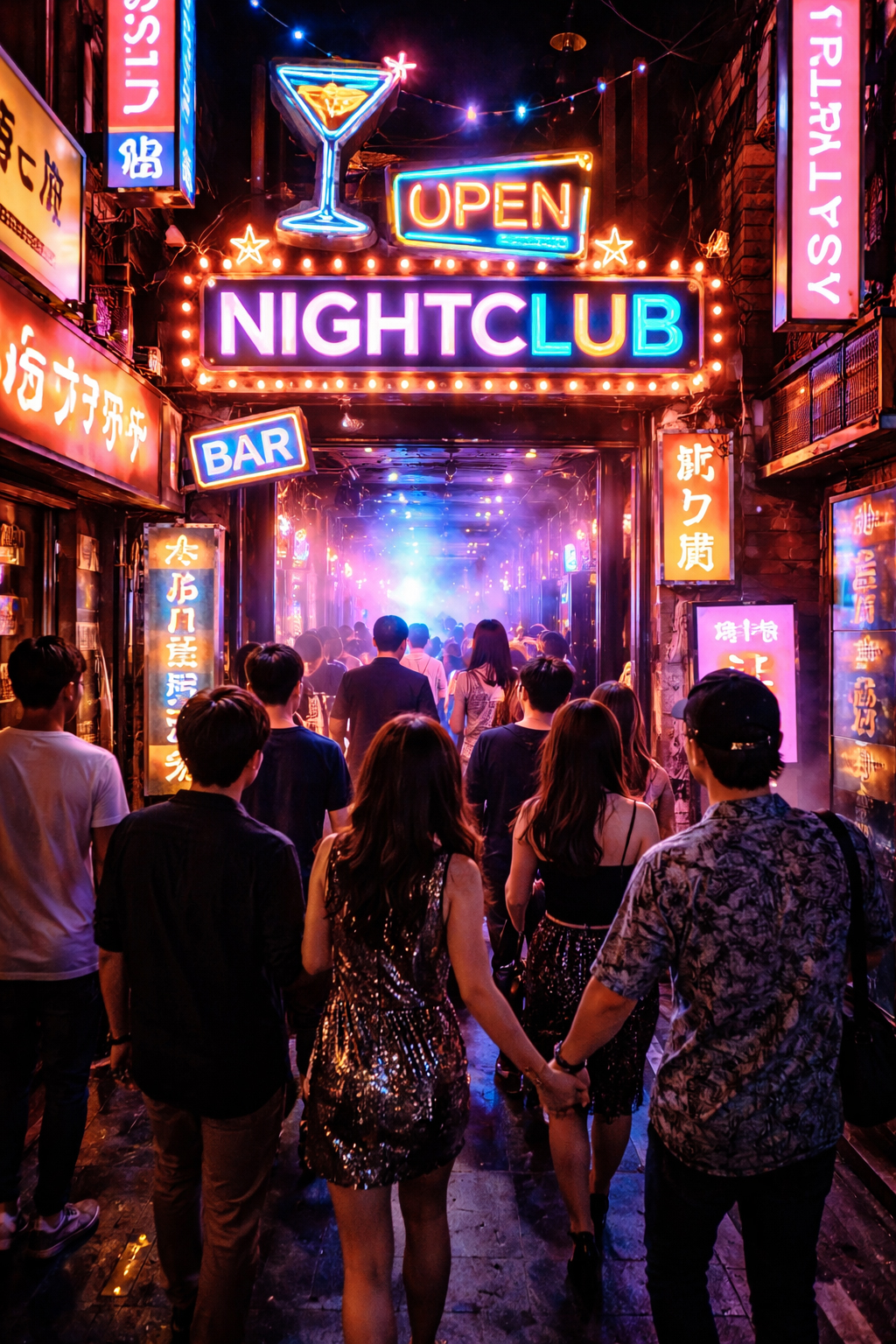
During my first week in Tokyo in 1989, I walked into Gas Panic in Roppongi and discovered that even in one of the biggest cities in the world, the world could suddenly feel very small.
I arrived in Tokyo in 1989, right at the peak of the bubble. The city felt fast, bright, confident, oversized, and fully alive at night. Roppongi seemed to run on music, money, movement, and possibility. I had just landed, so everything felt new. That is why the memory of my first week there is still so sharp.
My first stop in Roppongi was Gas Panic. It was rowdy, crowded, loud, funny, chaotic, and instantly memorable. That was where my Tokyo nightlife story truly began.
That night, I met Mike. What started as a conversation in a loud Roppongi bar turned into a lifelong friendship. That is one of the things nightlife can do. A short conversation can break through all the noise and remain with you for decades.
In the middle of talking, I mentioned that I knew the owners of Shoe Goo, because they had sponsored a 10K race I had arranged back in California. Mike looked at me and gave the most Tokyo answer possible:
“I was the one selling Shoe Goo in Japan.”
That was the moment. In one of the biggest cities on earth, the world suddenly became tiny. I was standing in one of the wildest bars in Roppongi during my first week in Tokyo, and somehow California had reached across the Pacific and landed right in front of me. It was not the anonymity of a giant city. It was the density of coincidence.
In the loudest room of a giant city, the world suddenly felt small.
Later, I would get to know other places. Java Jive. Motown. Clubs, lounges, bars, live houses, and the whole moving nightlife geography of Roppongi. But first impressions matter, and Gas Panic had everything condensed into one room: noise, heat, coincidence, speed, and that strange gravitational pull that made people connect fast.
Tokyo is a huge city, but at night it can feel like a village. Someone knows someone. Someone remembers a name. Someone brings up a story from another country or another decade, and suddenly the room folds in on itself. The Shoe Goo conversation was exactly that kind of moment.
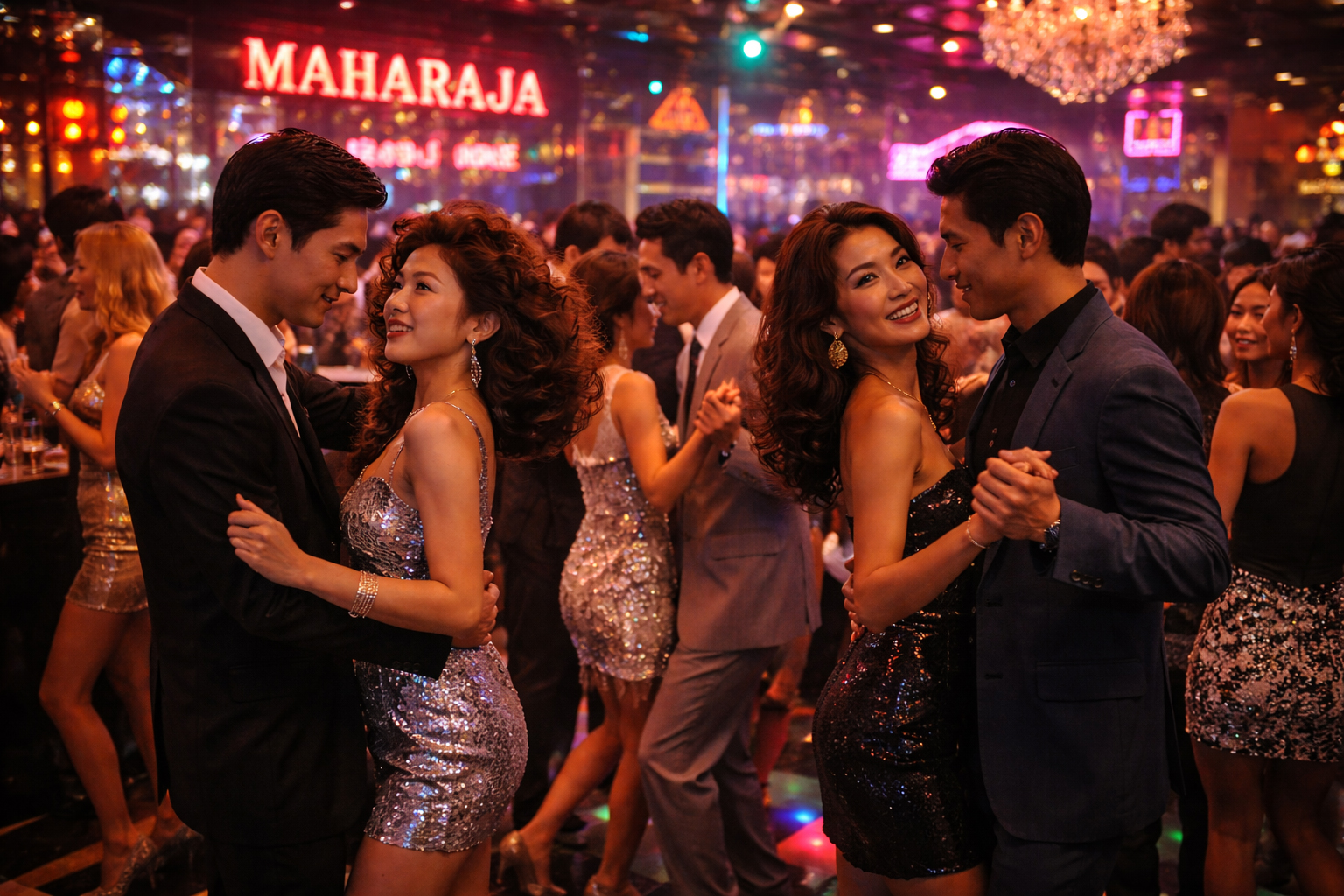
My first Roppongi experience did not feel like entering a neighborhood. It felt like stepping into a machine made of speed, neon, and chance.
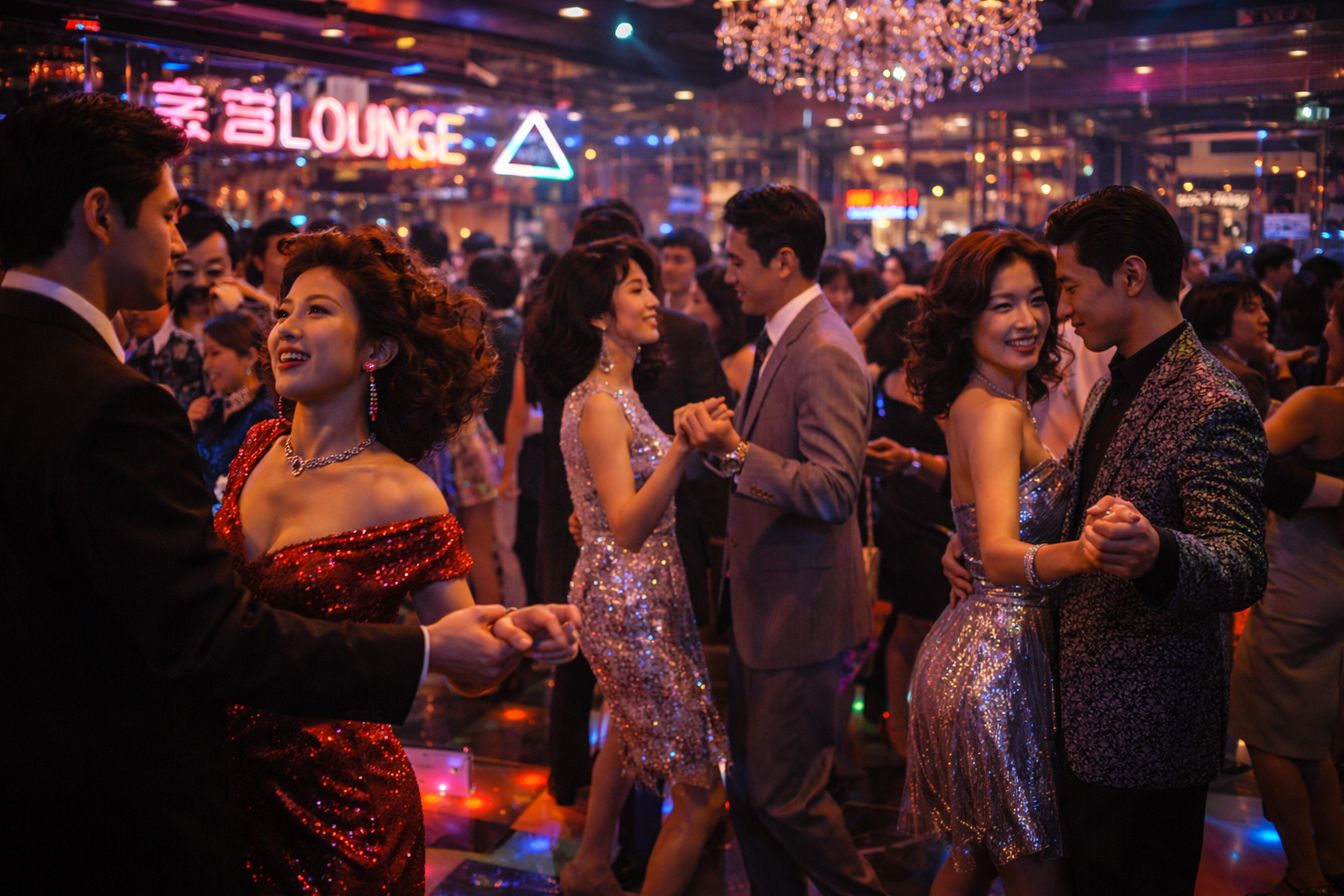
Bubble-era Tokyo pulled in people, money, products, ambitions, and stories from everywhere, which made small-world collisions feel even more dramatic.
The beginning of a real friendship is not always dramatic. Sometimes one sentence is enough. “I was the one selling Shoe Goo in Japan.” That was the sentence that changed the air. It turned a random conversation into a connection that lasted.
Roppongi is unforgettable not only because it was exciting, but because moments like that happened there. More than the venue names, more than the music, it was often the people in the room who determined what survived in memory. That is why, when I think about Tokyo nightlife, I remember faces as much as places.
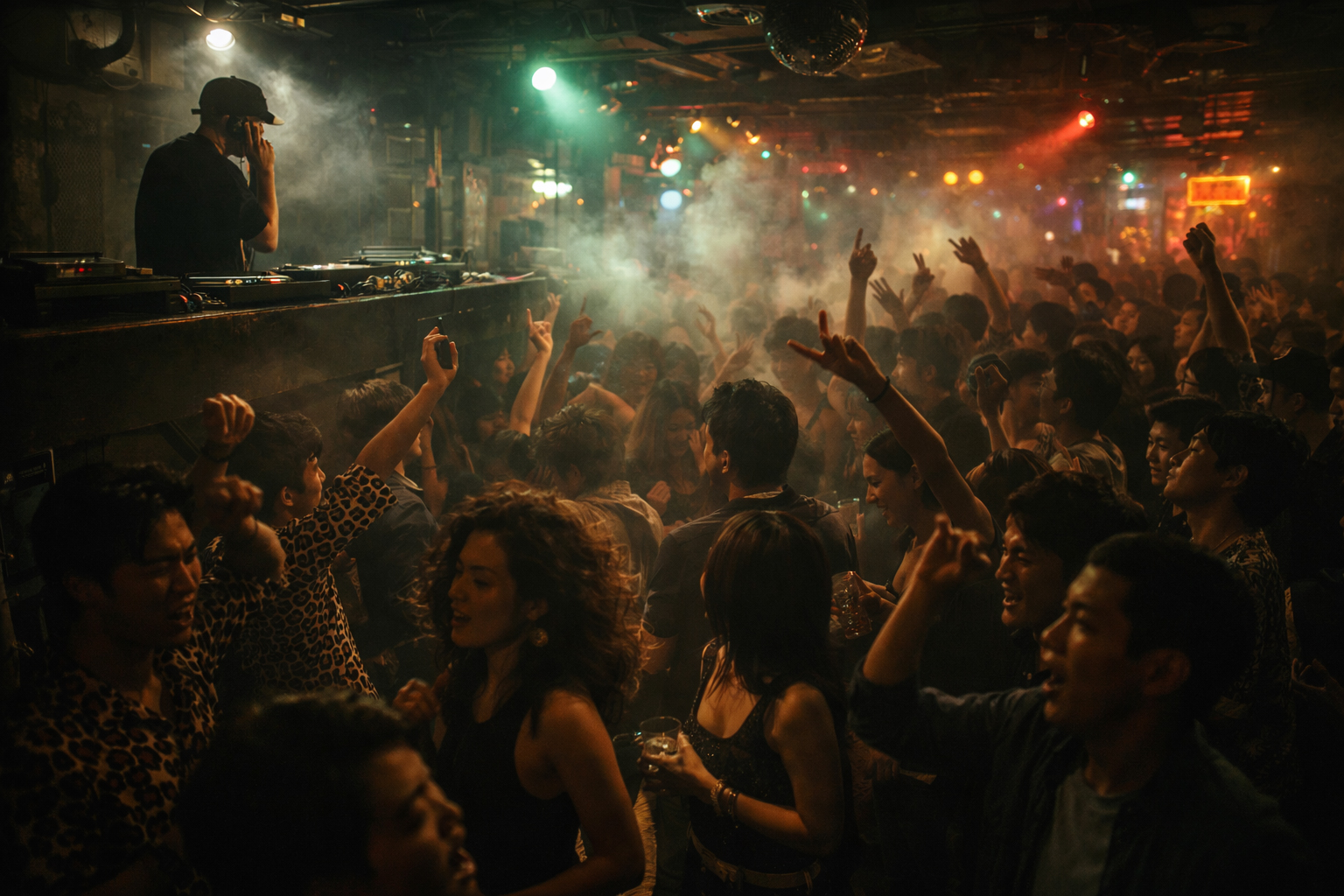
Tokyo was a city that could hand a newcomer a story almost immediately. Not a polished tourist story, but a real one — made of sweat, noise, neon, drunk laughter, fast conversation, and coincidence that felt almost too perfect.
When I say “the smallest world in Tokyo,” I do not mean that Tokyo was small. I mean the opposite. It was so immense that when a coincidence happened, it lit up with impossible clarity. That conversation in Gas Panic taught me that in my first week.
Tokyo was enormous. But that night, it felt like everyone in the center of it was somehow connected.
I do not want this site to preserve only the names of clubs. I want it to preserve the one-night coincidences that become long lines in a life. Meeting Mike became a real friendship that lasted. The fact that it began in one of the loudest places in Roppongi feels perfectly Tokyo to me.
In one of the biggest cities in the world, I found the smallest world during my first week. And that world still glows in memory.
A memoir about the friends, DJs, and characters who gave the district its energy.
A Roppongi-focused page expanding the same story in venue context.
Champagne, dancing, neon, and the speed of Tokyo at night.