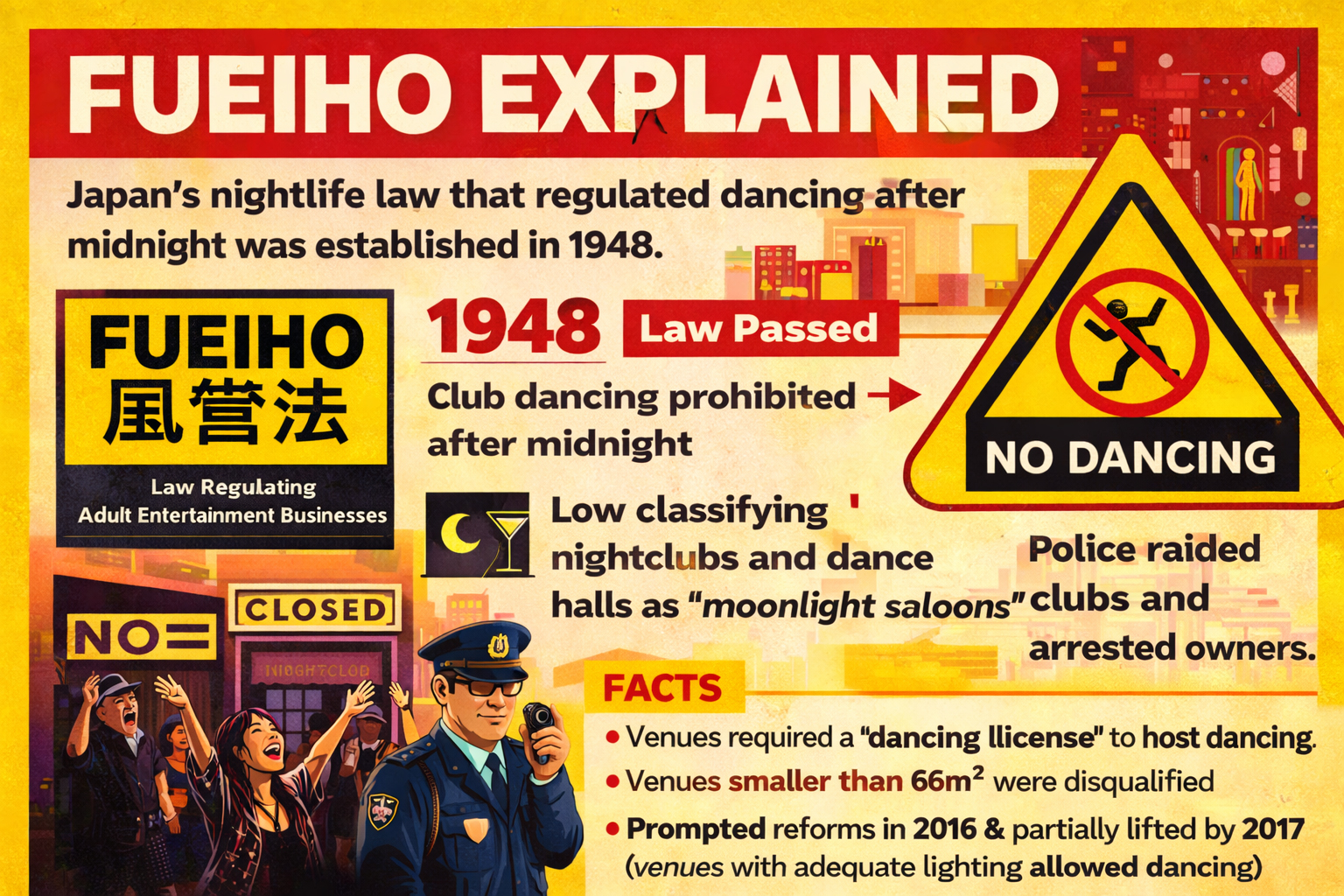
Fueiho
Fueiho and Nightlife Regulation
The broader legal structure behind the phrase and why nightlife ended up inside it.

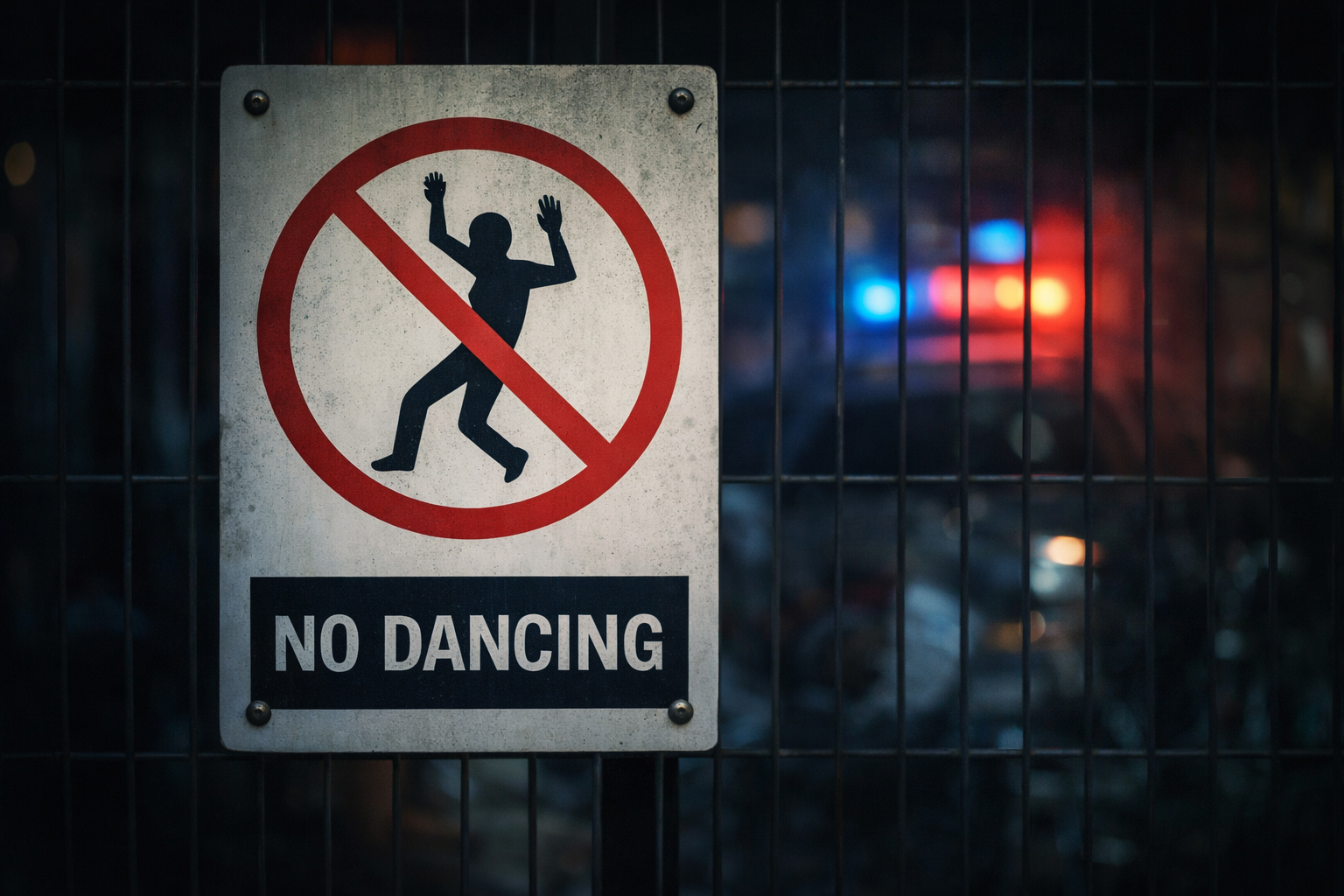
People often talk about Japan’s “No Dancing Law” as if it were one simple law with one simple name. In reality, it was more Japanese, more layered, and more complicated than that.
The first thing to clarify is that there was not one standalone official law literally titled “the No Dancing Law.” In most conversations, people were using that phrase as shorthand for the way Japan’s Fueiho framework long treated dance-related nightlife as legally unstable.
In other words, “No Dancing Law” was less a precise formal title than a very effective nickname for a lived contradiction. The music was playing. The room existed. The crowd was there. Yet dancing itself could suddenly be treated as the problem.
The “No Dancing Law” was not mainly the name of one tidy statute.
It was the name people gave to a long-running contradiction in Japanese nightlife.
For a long time in Japan, dance-related nightlife was easier for the state to classify as something to supervise than as music culture or city culture in its own right. That is why clubs could be culturally central while still remaining legally uneasy.
This unease was not always felt with the same force. Much of the time, nightlife existed in a gray zone. That is exactly why later enforcement felt so shocking: what had long been “there, but not fully stable” suddenly felt exposed.
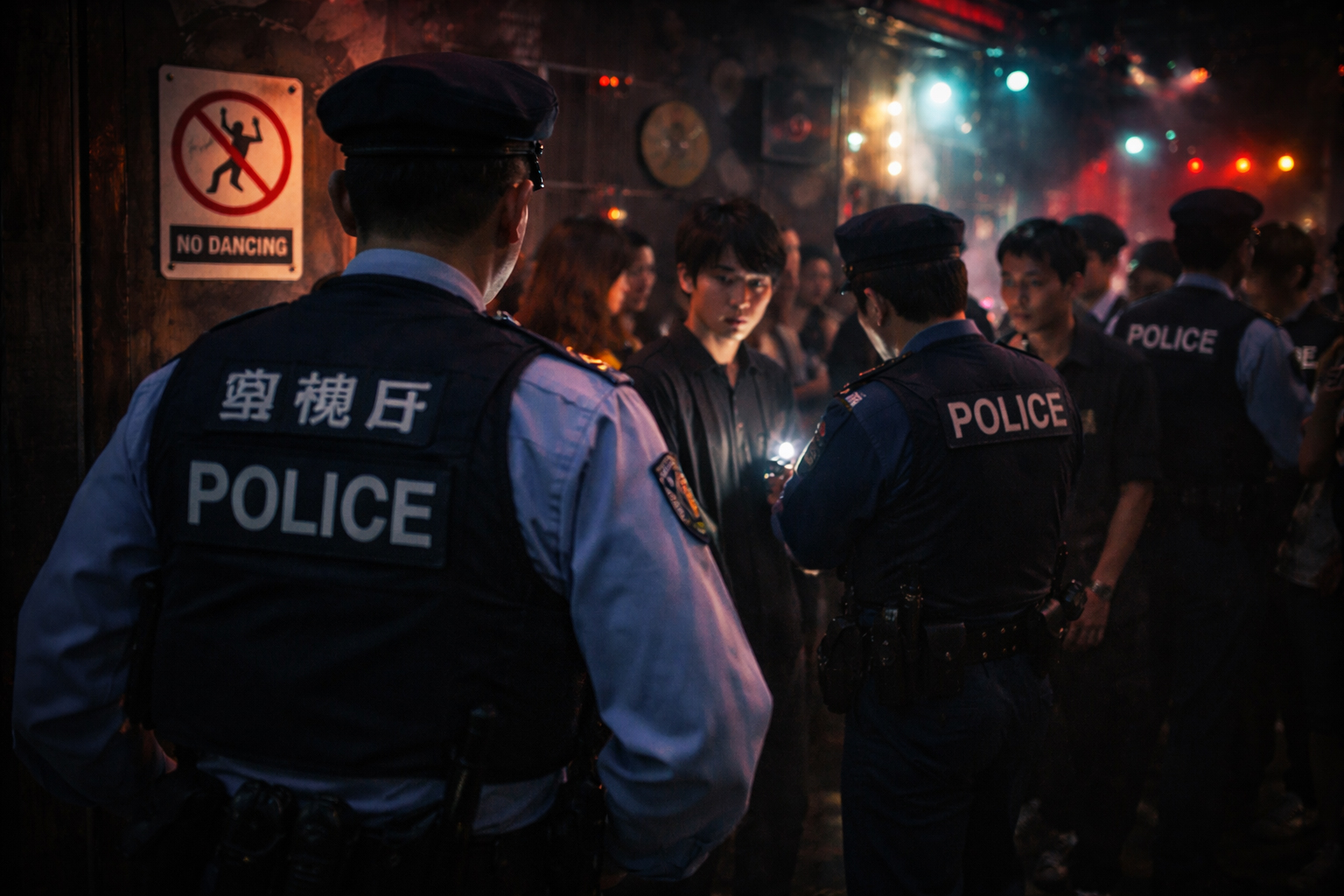
The key point is that no brand-new total anti-dancing law suddenly appeared in the early 2010s. What happened instead was that older regulatory logic became much more visible as real pressure.
Once club raids in places like Osaka became public and venues in Tokyo began to feel the same risk, the atmosphere changed quickly. Staff, owners, DJs, and audiences started acting under a real sense of danger. That is why it felt like a ban even when the legal story was technically more complicated.
The issue was less a sudden new prohibition than an older one becoming actively felt again.
Once the scene felt vulnerable, the law no longer remained abstract.
Nightlife often contracts psychologically before it disappears legally.
Nothing symbolized the contradiction better than the No Dancing sign. It was not only an instruction. It was a venue admitting, in public, that the behavior most central to the room’s meaning could not be openly welcomed.
That is why the sign had such force. It turned a technical regulatory contradiction into something anyone could see in a second.
In districts like Roppongi, the absurdity became even clearer. Roppongi nightlife depends on music, human flow, foreign influence, chance meetings, and the natural motion of the night. In that world, dancing is not an optional extra. It is part of how the room works.
So “music may play, but you must not dance” sounded almost comic — except that it was real. That is exactly why people reached for the phrase “No Dancing Law.”
When music is allowed but the body is mistrusted,
people stop reaching first for the formal legal name.
They call it what it feels like.
The backlash to this situation helped generate the Let’s Dance movement. At that point, the issue stopped looking like a niche complaint from club-goers and started looking like a larger question about urban culture, expression, and legal reality.
The later reform process changed some of the rules and opened a more explicit path for certain late-night dance venues, but it did not erase the deeper story behind the phrase. That is why “No Dancing Law” still remains such a powerful shorthand.
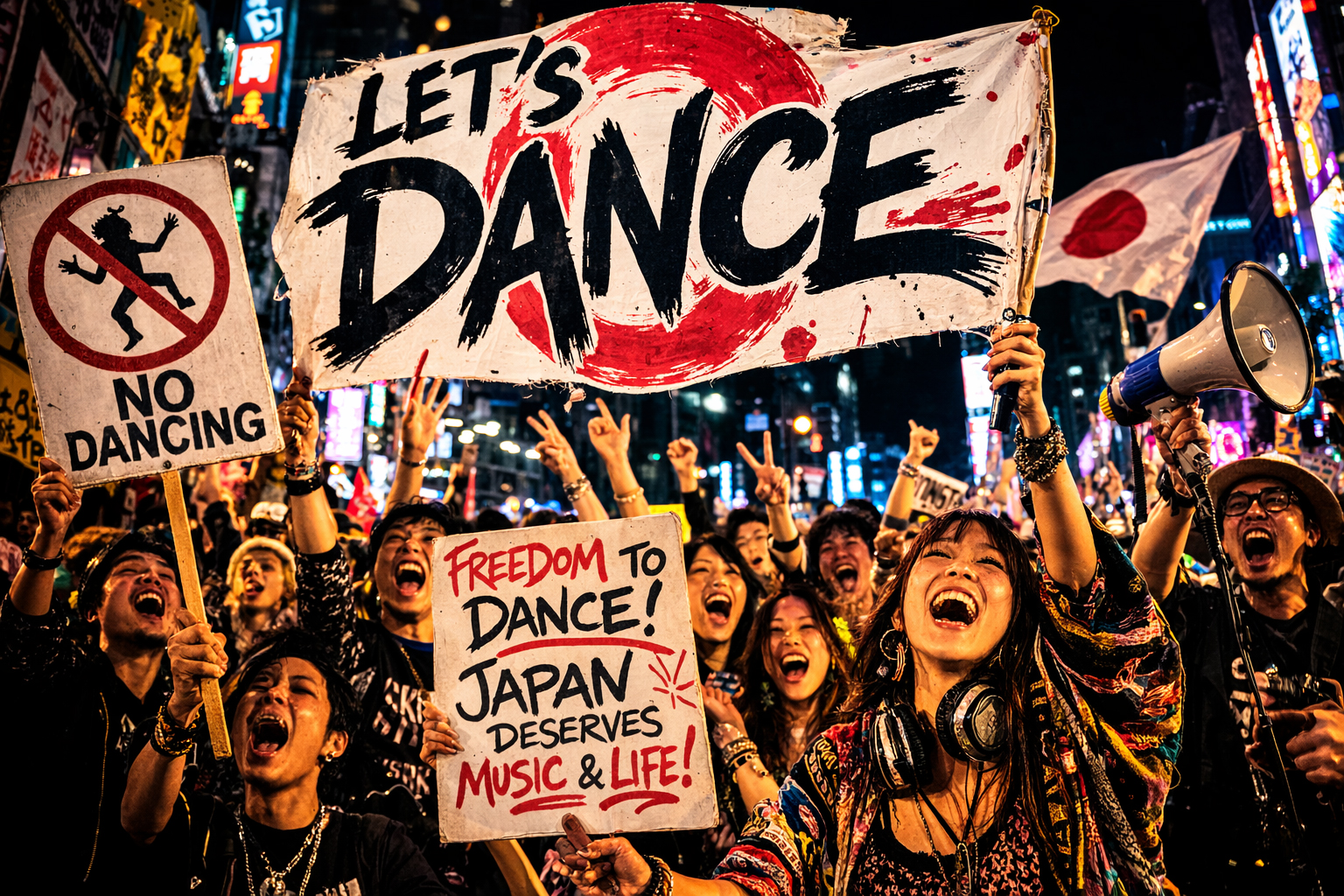
The phrase itself became part of the cultural argument against the old contradiction.
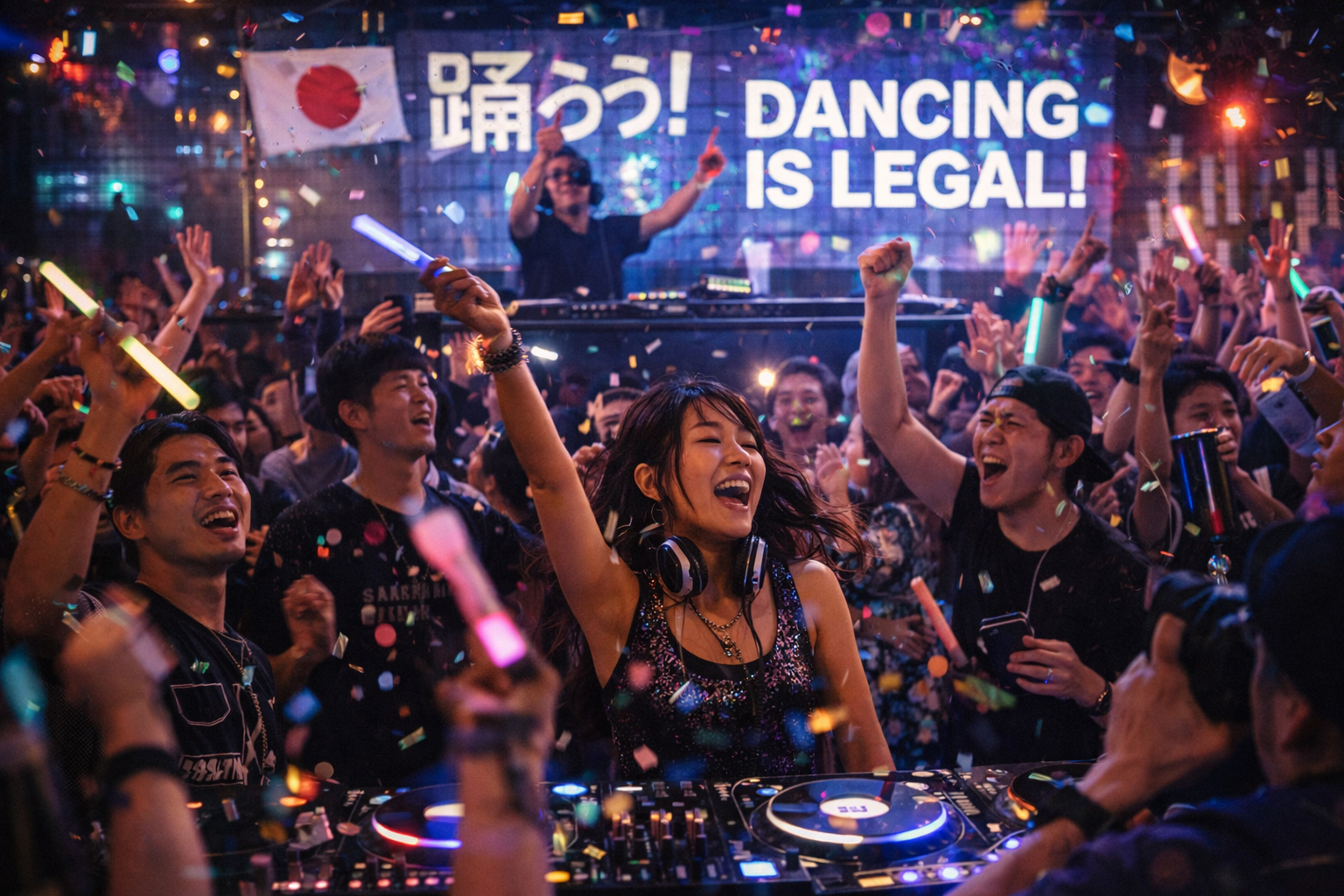
The later reform mattered because it became harder to pretend the older logic still matched lived nightlife.
So what was the “No Dancing Law”? Not one neat official title, but the lived name of a legal and cultural contradiction in Japan’s nightlife history.
clubs.co.jp wants to preserve the phrase in that fuller sense: not merely as an easy headline for foreign readers, but as a real expression of how Japanese nightlife understood its own situation.
The broader legal structure behind the phrase and why nightlife ended up inside it.
A closer look at the years when the contradiction became emotionally undeniable.
How the later revision changed the legal landscape without fully erasing the older story.