Gas Panic
Gas Panic and Mike
The small-world story that began in one of Roppongi’s loudest rooms.
Roppongi nightlife was never just a list of venues. Some places captured the mood of an entire era: the economy, the music, the international energy, the glamour, the absurdity, and the way Tokyo imagined itself at night.
Roppongi had plenty of popular places. But some venues did more than attract crowds. They absorbed the emotional weather of the era and gave it a room, a soundtrack, and a shape. Those are the places worth remembering most.
For me, Roppongi was exactly that kind of district. I arrived in Tokyo in 1989 and saw the night begin at the peak of the bubble. Later I watched the district keep changing through places like Java Jive, Gas Panic, and Motown. Through those venues, you could feel Roppongi changing in your body.
The iconic Roppongi clubs were not just venues.
They were machines for compressing an era into one room.
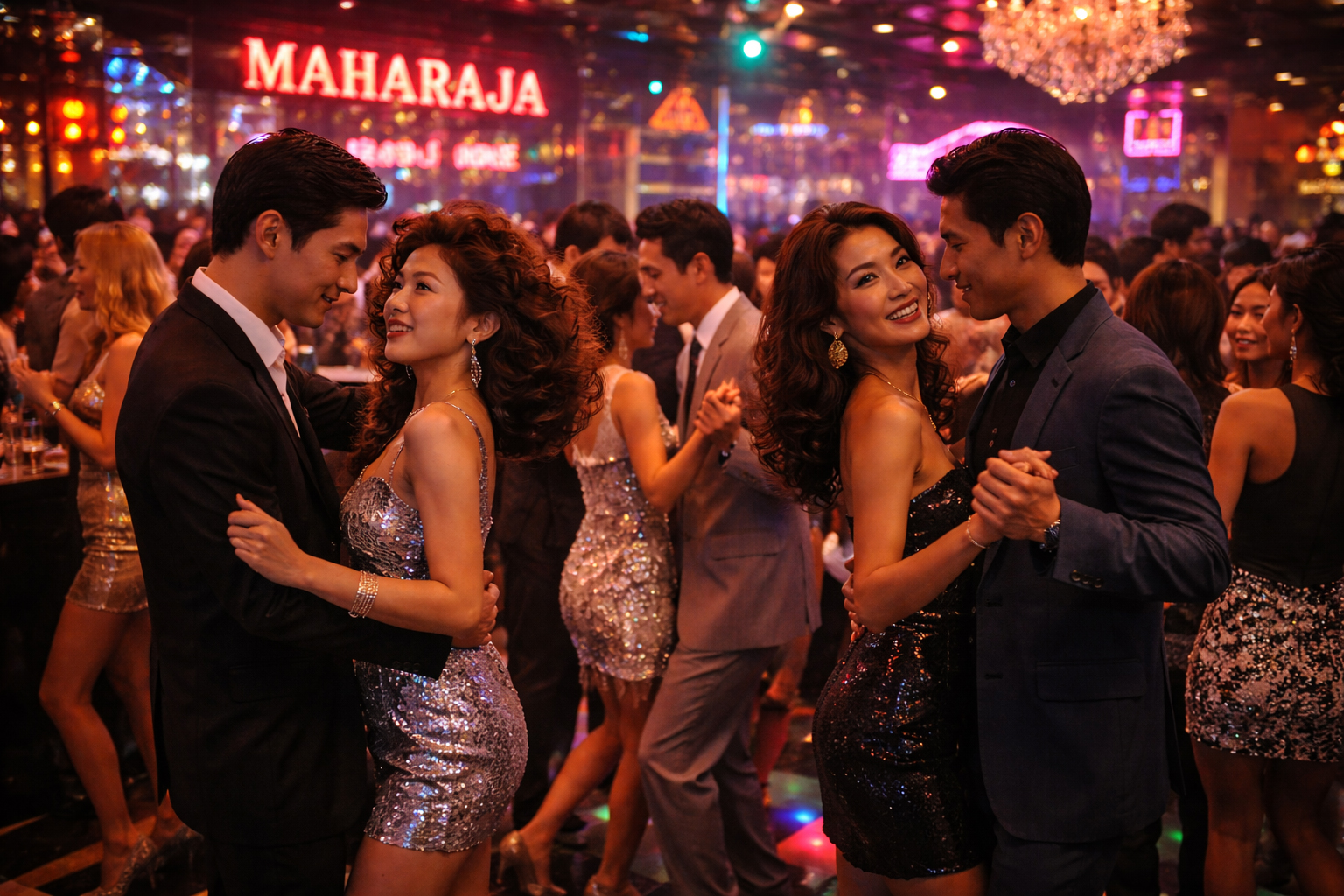
In the late 1980s, Roppongi was one of the clearest nighttime stages for Japan’s confidence. Money, imported culture, fashion, international energy, display, flirtation, and speed all concentrated there. A venue like Maharaja became iconic because it did more than host dancing: it turned the bubble itself into visible form.
Maharaja was not only a place to dance. It was a place to see what the bubble looked like in public: exaggerated, glamorous, unapologetic, and fully aware of spectacle. Roppongi was a district built to be watched as much as entered, and venues like that made the point obvious.
For me, one of the essential names of 1989 Roppongi is Java Jive. When I had just arrived in Tokyo, that place carried a special pull. It felt a little dangerous, a little flashy, and exactly right for the district.
Roppongi had many clubs, but only a few become the emotional gateway through which you feel the district for the first time. Java Jive belongs in that category for me.
Bubble-era Roppongi was not only about dancing. It was also about public self-performance.
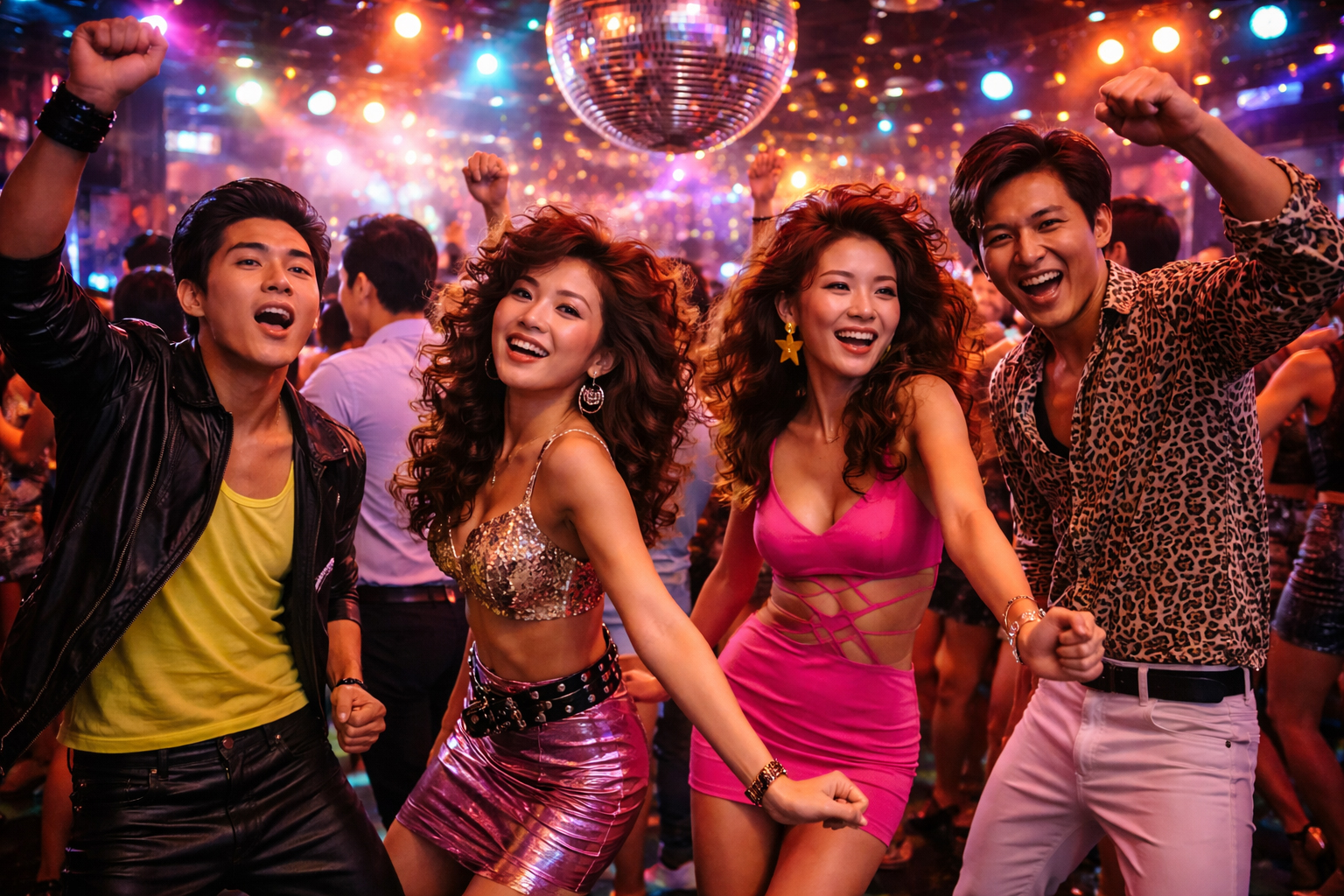
Imported club sounds and imagery were absorbed and intensified into something distinctly Roppongi.
One of my earliest unforgettable Roppongi experiences was Gas Panic. It was less about polish and more about velocity: noise, laughter, collision, international crowd energy, and the sort of chaos that makes a city feel alive. That was where I met Mike and began a lifelong friendship.
Gas Panic represented not the elegant face of Roppongi, but its more unruly, hilarious, open-ended side. A city is not defined only by its most refined rooms. Sometimes its truest energy appears in the loudest one.
In any serious story about Roppongi nightlife, a long-running venue like Lexington Queen matters too. Places like that were not only fashionable; they showed how deeply Roppongi worked as a mixing zone: Japanese and foreign, industry and outsider, regular and newcomer, all in one district.
One of the enduring fascinations of Roppongi was that cultural overlap happened there earlier, faster, and in denser form than in many other Tokyo neighborhoods. Venues like Lexington Queen helped stabilize that mixture over time.
One of Roppongi’s defining qualities was how quickly the wider world mixed into the room.
By the 1990s, the texture of Roppongi nightlife shifted. It was no longer only about bubble-era spectacle. Music taste, social networks, work life, youth, and personality played a larger role. For me, one of the most important places in that period was Motown Roppongi.
When I was running my internet company in Tokyo, we had 65 young employees and the whole building felt charged with ambition, laughter, romance, and momentum. Motown was one of those places where you could feel that charge immediately. The venue mattered, but so did the people it drew.
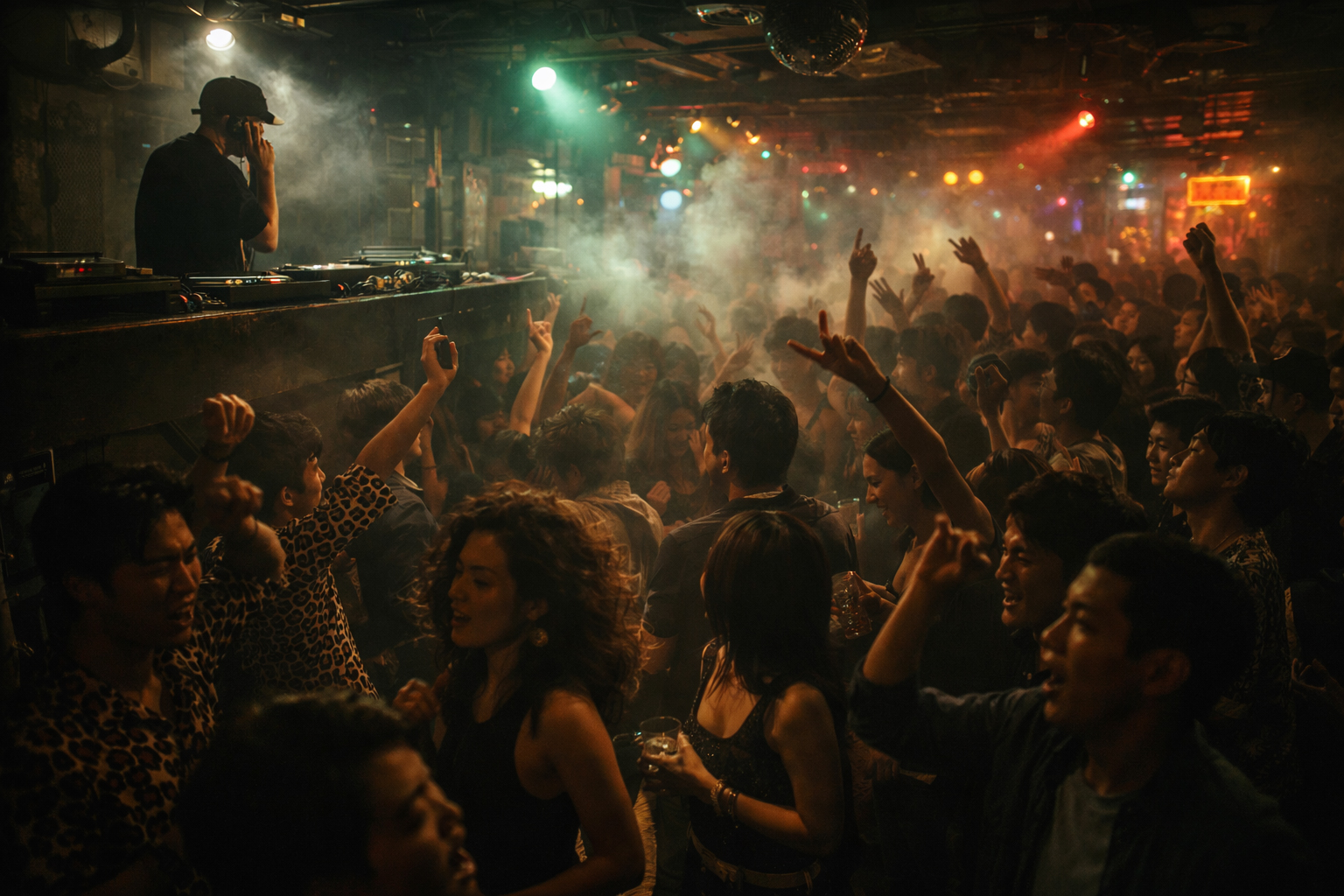
Roppongi nights increasingly lived in who you were with, not only where you went.
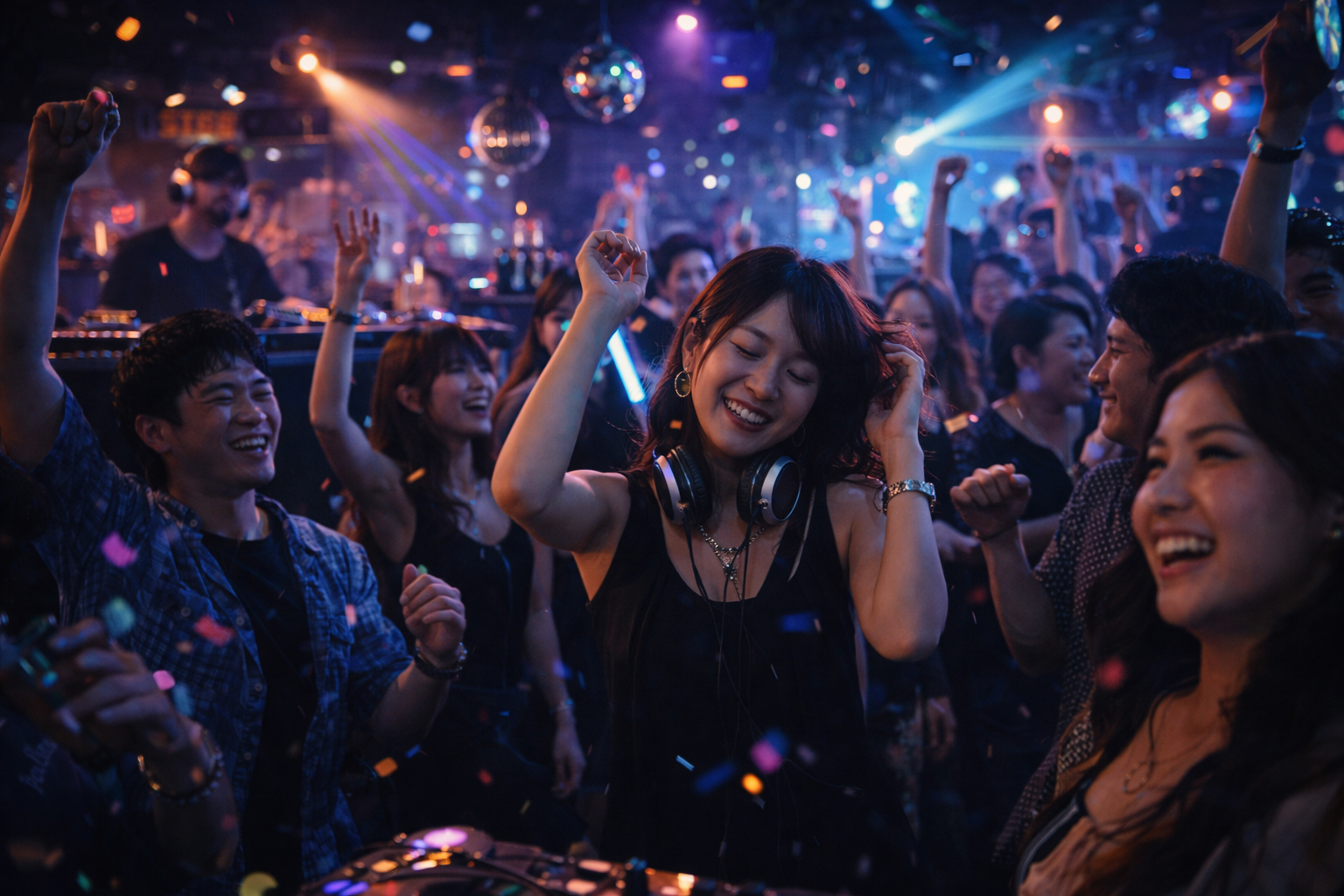
At places like Motown, the music did not decorate the night. It defined it.
One of the strangest chapters in modern Roppongi nightlife came in the early 2010s, when dance regulation suddenly felt real and absurd at once. When I went to Motown in 2012, I was told that dancing was now against the law.
My answer came immediately: “If we can’t dance, then you can’t play Motown.” It was funny, but also completely serious. Venues do not only define eras through glamour. They can also reveal the central contradiction of a period.
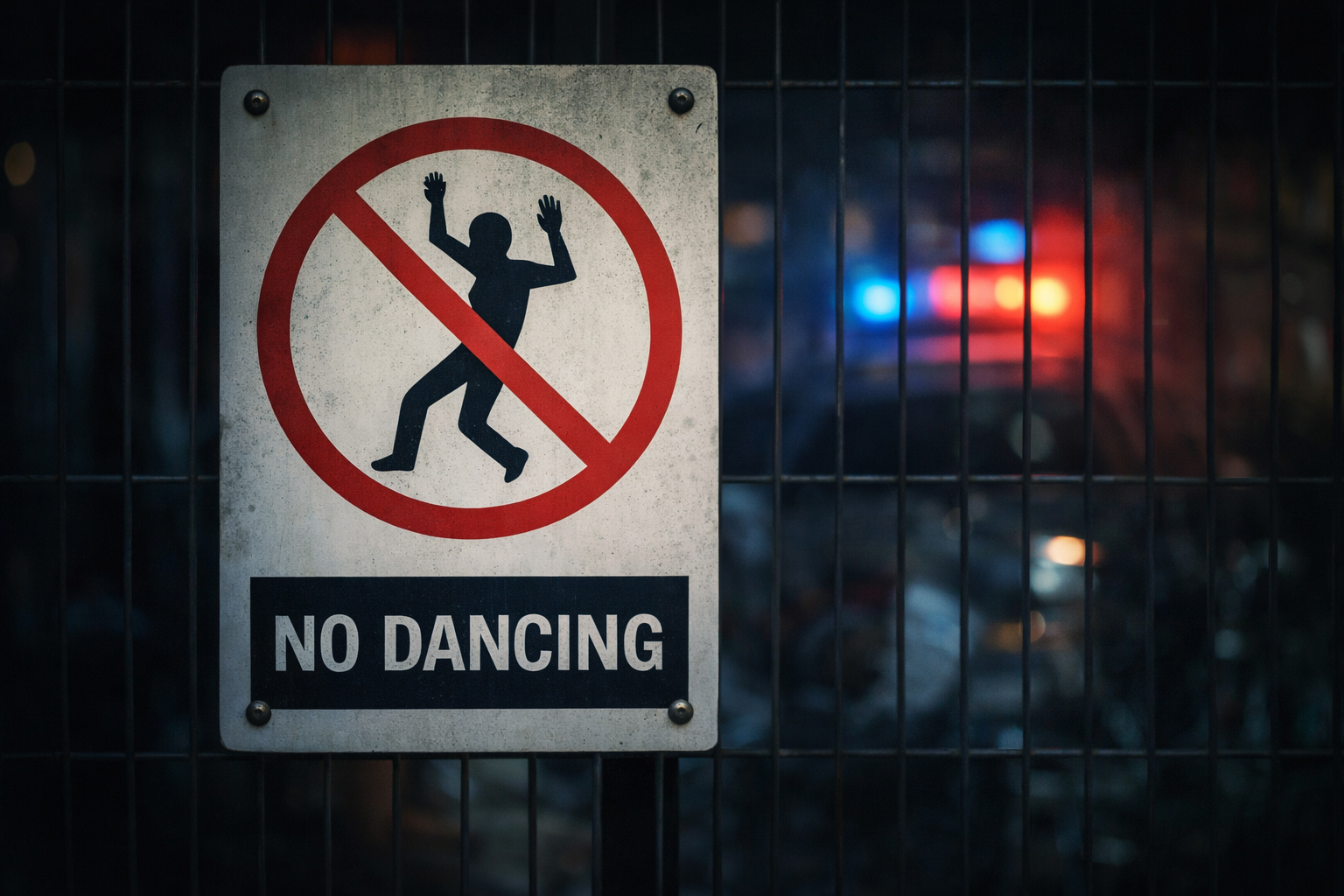
Roppongi had many successful venues. But the clubs that truly defined the era were not simply the busiest ones. They were the places that captured the emotional logic of their time and gave it a room.
Maharaja represented bubble confidence. Java Jive became an entry point into 1989 Roppongi. Gas Panic showed the district’s chaotic international side. Motown carried the power of people and music, and later even the absurdity of the crackdown years. That is what makes a venue iconic: not popularity alone, but symbolic concentration.
The great Roppongi venues were not defined by floor size alone,
but by how fully they trapped the feeling of their time.
The point of writing about Roppongi is not simply to list old names. It is to preserve how certain places carried the weight of an era. Through the venues, you can see Tokyo’s economy, internationalism, sound, body culture, and even regulation.
Roppongi nightlife was never created only inside one room. But certain rooms did hold the era more intensely than others. Those are the clubs worth remembering.
The small-world story that began in one of Roppongi’s loudest rooms.
Music, people, and the paradox of being told not to dance in a room built for dancing.
The memoir that explains why Roppongi first appeared to me at maximum brightness.