Memoir
The Smallest World in Tokyo
A memoir version of the Shoe Goo coincidence and what it meant emotionally.
In August 1989, during my first week in Tokyo, Gas Panic was more than just a loud bar in Roppongi. It was where I met Mike, and where one of the biggest cities in the world suddenly felt impossibly small.
I arrived in Tokyo in 1989, right at the peak of the bubble. The city was hot, fast, bright, and even more alive at night. During that first week in Roppongi, one of the places that burned itself into memory was Gas Panic.
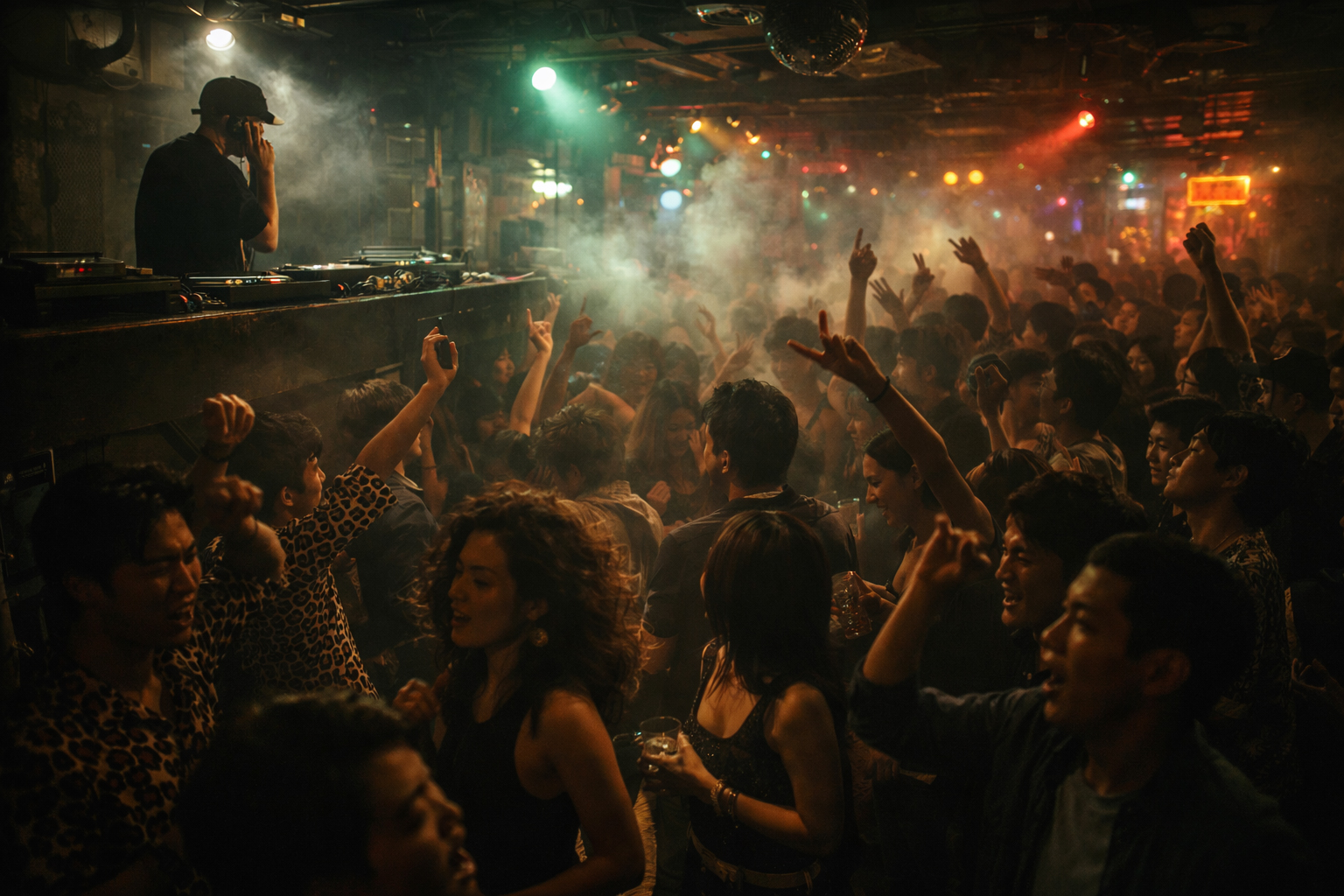
Gas Panic was not polished so much as charged. It was a room of laughter, music, alcohol, Japanese and foreign faces, quick conversations, and the kind of slightly reckless energy that made late-bubble Roppongi feel real. And that was where I met Mike.
In one of the biggest cities on earth, the world can suddenly become very small.
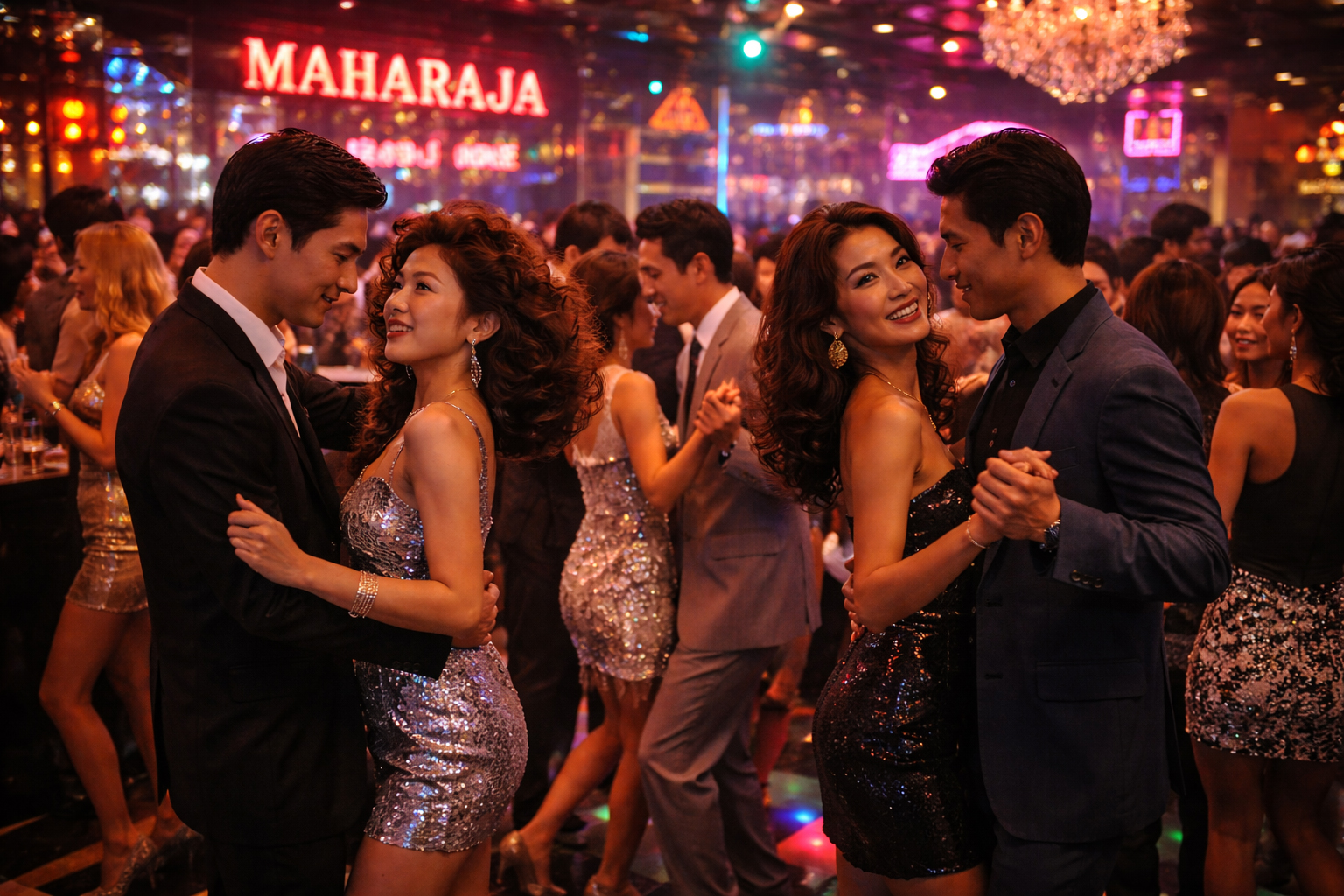
Roppongi has many faces: polished, theatrical, international, dangerous, funny. Gas Panic belonged to the side that felt gloriously messy and alive. In a room like that, categories mattered less than momentum.
That is exactly why it hit so hard when I had just landed in Tokyo. It did not explain Roppongi. It let me feel Roppongi in the body. The room carried the mixed, chaotic, international energy that made the district so distinct in 1989.
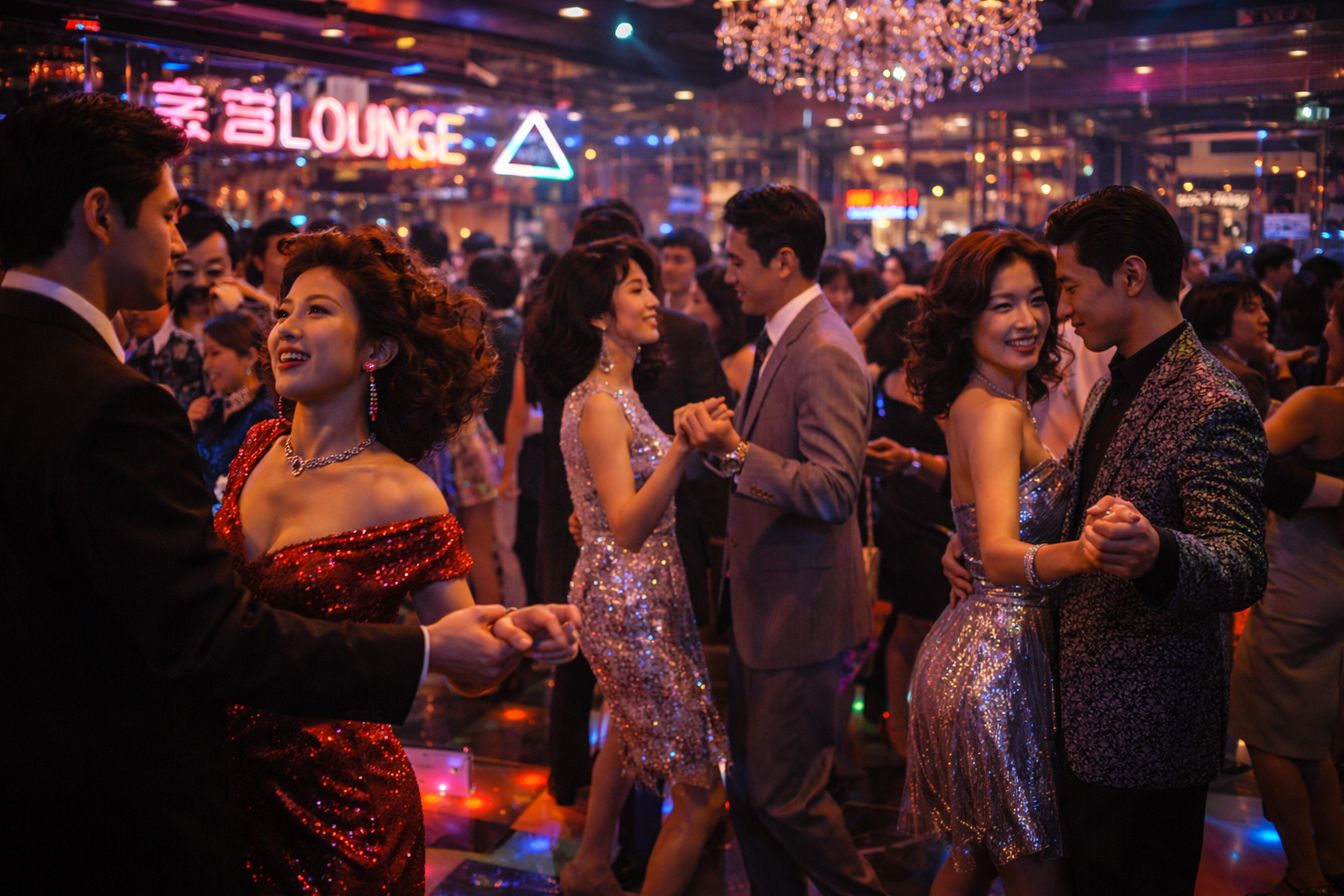
Gas Panic felt like bubble-era Tokyo itself had spilled directly into one nightlife space.
Its lack of polish made it feel more honest, more immediate, and more true to the district.
That night, I started talking with Mike. Somewhere in the conversation, I mentioned that back in California I had organized a 10K race, and that the owners of Shoe Goo had been sponsors. I knew them.
Mike answered with one of those lines that instantly makes the room tilt:
“I was the one selling Shoe Goo in Japan.”
In that moment, Tokyo stopped feeling enormous. I had just arrived, I was in one of the loudest rooms in Roppongi, and suddenly California and Tokyo were touching in the middle of the night. The scale of the city collapsed into one perfect coincidence.
“I was the one selling Shoe Goo in Japan.”
The fascination of Roppongi is not only its venues or its glamour. It is the density of crossing lines. Japanese and foreign, work and nightlife, business and chance, serious connections and ridiculous luck — all of those lines intersect there.
Gas Panic represented that form of internationalism especially well. Not the polished version, but the loud, human, accidental one. Meeting Mike there captures something true about how Roppongi actually worked.
Many nightlife conversations end when the night ends. This one did not. Meeting Mike became the beginning of a real friendship that lasted. That is part of why this night remains so sharp.
Roppongi is unforgettable not just because it was flashy, but because people entered your life through it. Gas Panic is part of that story for me. It was not merely a loud room. It was a place where something real happened.
Roppongi makes impossible overlaps feel oddly natural.
Sometimes the face you meet matters more than the name above the door.
What happens in your first days in a city can shape how you feel it forever.
Roppongi is part of Tokyo, but sometimes it behaves like a very small world. Somebody knows somebody. A story from another continent suddenly lands in the room. A connection that should be impossible becomes immediate.
That is one of the district’s real gifts: not order, but compressed coincidence. Gas Panic and Mike belong to that side of the story.
The reason to keep Gas Panic on clubs.co.jp is not simply to preserve an old venue name. It is because what happened there says something essential about Roppongi itself: the density of coincidence, the international mix, and the way nightlife can suddenly become personal history.
In August 1989, during my first week in Tokyo, I met Mike at Gas Panic. In one of the biggest cities in the world, that night revealed how small the world could be — and that small world turned into a lasting friendship.
A memoir version of the Shoe Goo coincidence and what it meant emotionally.
Another early Roppongi entry point from the same first-wave Tokyo nights.
A later-era venue showing how people and music shaped Roppongi in a different decade.