Bubble Tokyo
Bubble Nights in Roppongi
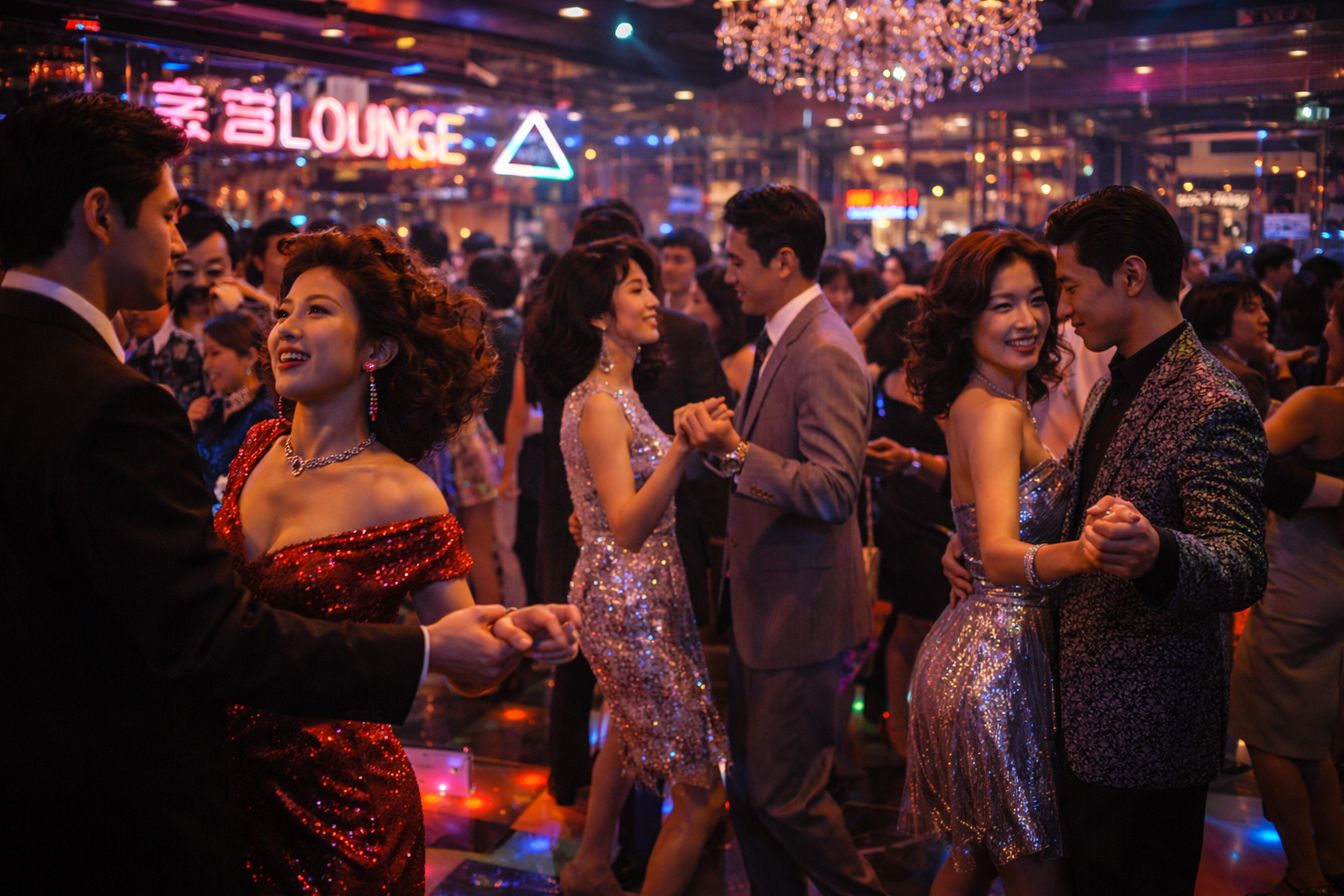
The larger atmosphere of confidence and nightlife heat that made rooms like Java Jive possible.
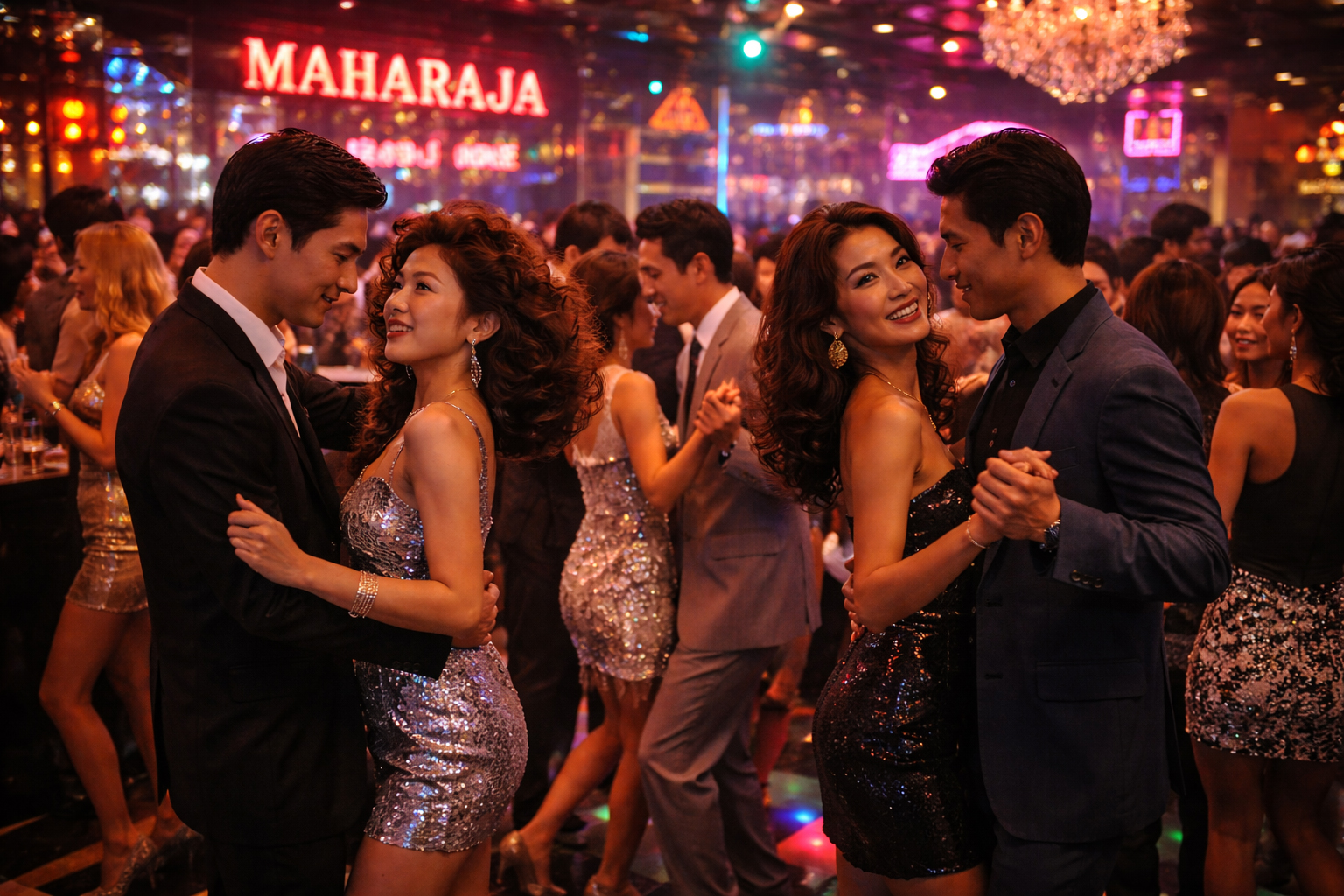
When I arrived in Tokyo in 1989 at the peak of the bubble, Java Jive was not just another club name. It was one of the places that first let me feel Roppongi in the body: fast, a little dangerous, stylish, magnetic, and unmistakably alive.
I arrived in Tokyo in 1989, right at the peak of the bubble. The city was bright, fast, self-confident, and fully alive at night. And when you went to Roppongi, that sensation intensified. In that atmosphere, Java Jive became one of the places that mattered to me.
Roppongi had many venues, but only a few make you feel, “I have entered this city.” Java Jive was one of those places. It felt a little risky, a little flashy, and exactly right for the district at that moment.
Java Jive was not an explanation of Roppongi.
It was an experience of Roppongi.
Roppongi in 1989 carried more than ordinary nightlife buzz. It held economic optimism, imported cultural energy, fashion consciousness, and the feeling that this was where Tokyo was moving fastest. Java Jive seemed to hold that atmosphere in concentrated form.
People were not only going out. They were entering the flow of the night. Where you went, how you looked, who you met, and where the night might go next were all part of a single narrative. Java Jive fit naturally into that world.
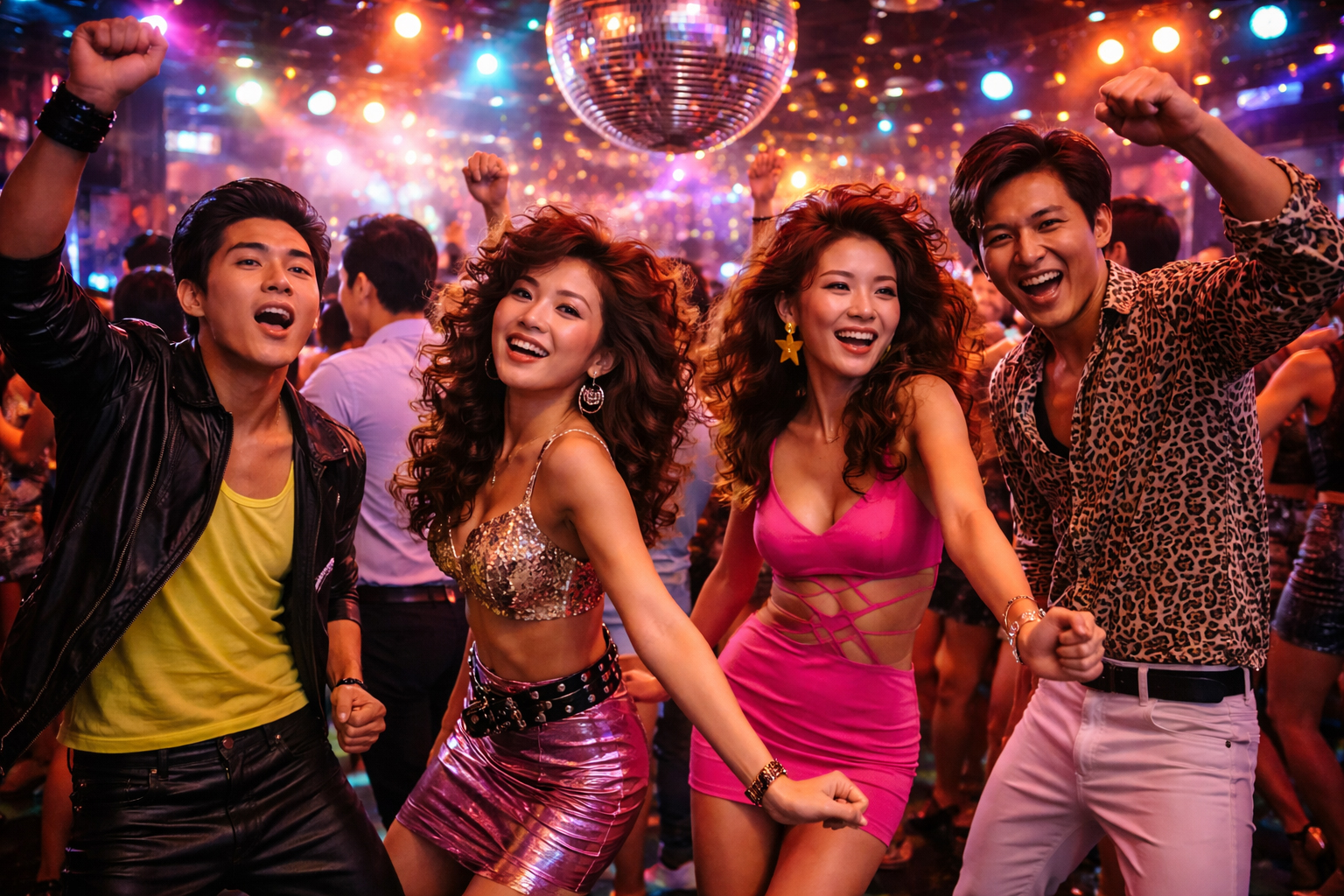
Java Jive carried the speed, theatricality, and magnetism that made late-bubble Roppongi feel distinct.
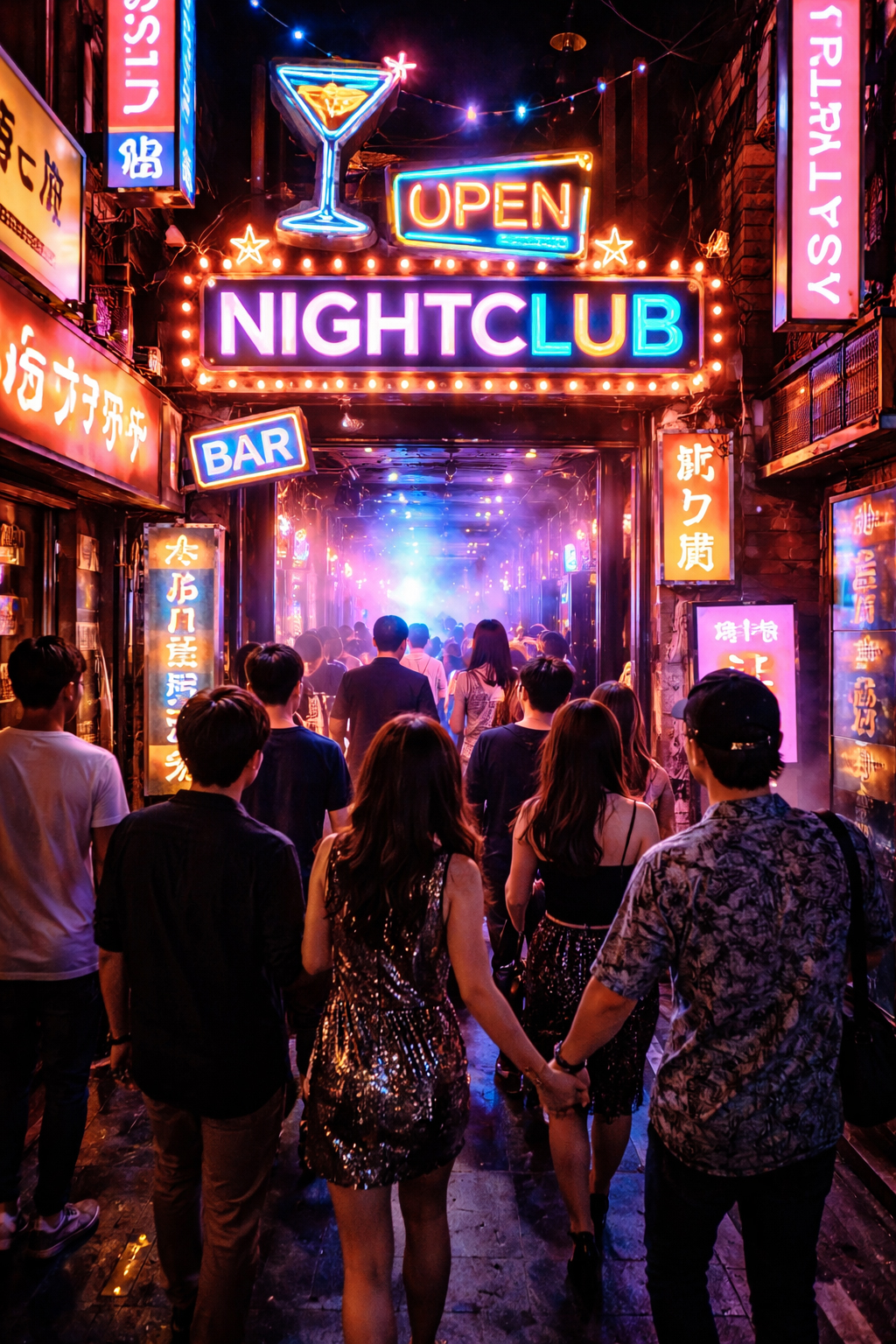
In Roppongi, the sidewalk, the entrance, and the approach were already part of the performance.
Good venues have a kind of pull that is hard to reduce to décor, sound system, or crowd size. The room changes the direction of the night the moment you enter. Java Jive had that kind of force.
When I had just arrived in Tokyo, the atmosphere of the place told me something essential: this is what Roppongi feels like. A little dangerous, a little funny, a little self-aware, and completely alive.
Later, other venues would enter my memory — Gas Panic, Motown, and many others. But as an entry point, Java Jive remains special. The first version of a city you meet often defines how you will always feel it. For me, Roppongi began hot, fast, bright, and slightly dangerous. Java Jive helped set that tone.
What remains strongest is not necessarily the floor plan or the details of the room, but the feeling of it: the temperature, the music, the human density, and the sense that anything might happen next.
The first real Roppongi night does not arrive as a guidebook fact.
It arrives as a shock. Java Jive was part of that shock.
Java Jive is not the same kind of symbol as a giant bubble-era disco like Maharaja. It is more personal, more street-level, more embedded in the living flow of the district. That is exactly why it feels close to the real texture of 1989 Roppongi.
The bubble nights were not built only out of giant iconic spaces. They were also built out of these living rooms inside the district — places that felt plugged directly into its current.
Its lack of excessive polish made the room feel more truthful to the district.
Arriving at the peak meant that first impressions of Roppongi came at maximum intensity.
The venue that first makes a city feel real often shapes every later memory of it.
Old venues remain alive in memory not only because they were famous, but because they served as a gateway into something larger. Java Jive was a gateway into Roppongi, and into Tokyo at night in 1989.
That is why, when I think of the name now, what returns is not only the venue itself, but the temperature of Tokyo in those years.
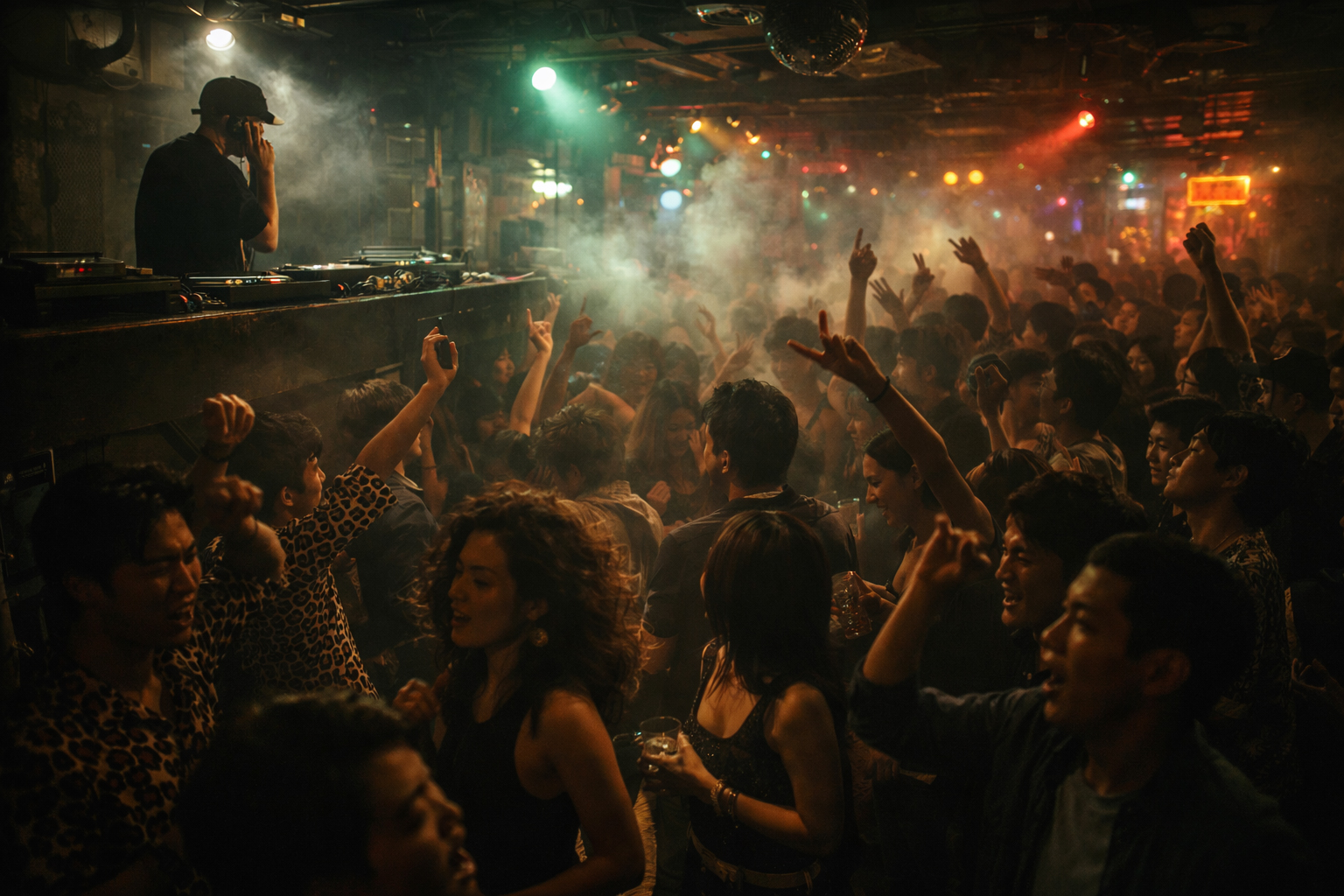
The point of keeping Java Jive on clubs.co.jp is not merely to save an old club name. It is to preserve how Roppongi felt when I first arrived: its speed, its attraction, its danger, and its sense of possibility.
Java Jive may not have been the biggest sign in the district, but for me it was one of the places that first made Roppongi feel real.
The larger atmosphere of confidence and nightlife heat that made rooms like Java Jive possible.
Read Java Jive in the larger context of the venues that captured different Roppongi eras.
The memoir explaining why Tokyo and Roppongi first appeared to me at full brightness.