Java Jive
Java Jive in 1989
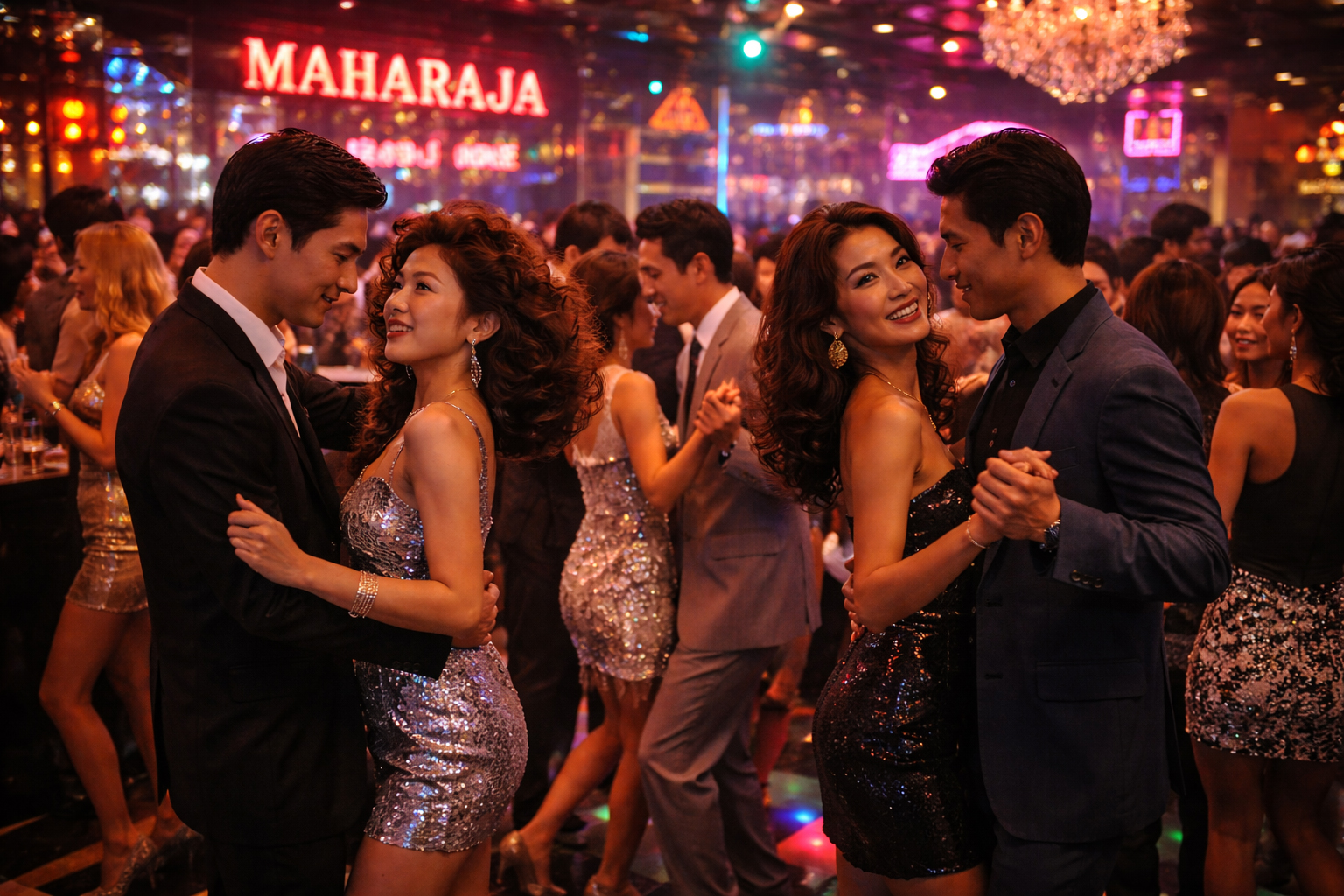
A closer look at one of the first rooms that made Roppongi feel real to me.
In August 1989, I arrived in Tokyo at the exact peak of the bubble. During my first week in Roppongi, I learned the city’s speed, neon, danger, laughter, and strange power to make the world feel suddenly very small.
Cities often decide themselves for you in the first impression. For me, that first impression of Tokyo was shaped by Roppongi in August 1989. And not just any Roppongi, but Roppongi at the top of the bubble. That meant the city arrived at maximum brightness.
Tokyo by day was already huge, but Roppongi at night felt bigger still — or maybe more concentrated: faster, hotter, closer. There were people everywhere, music everywhere, light everywhere, and the sense that somebody always knew somebody and the next room was always waiting. In the first week, that whole sensation came in at once.
Roppongi did not come to me as an explanation of Tokyo.
It came as the shock of Tokyo.
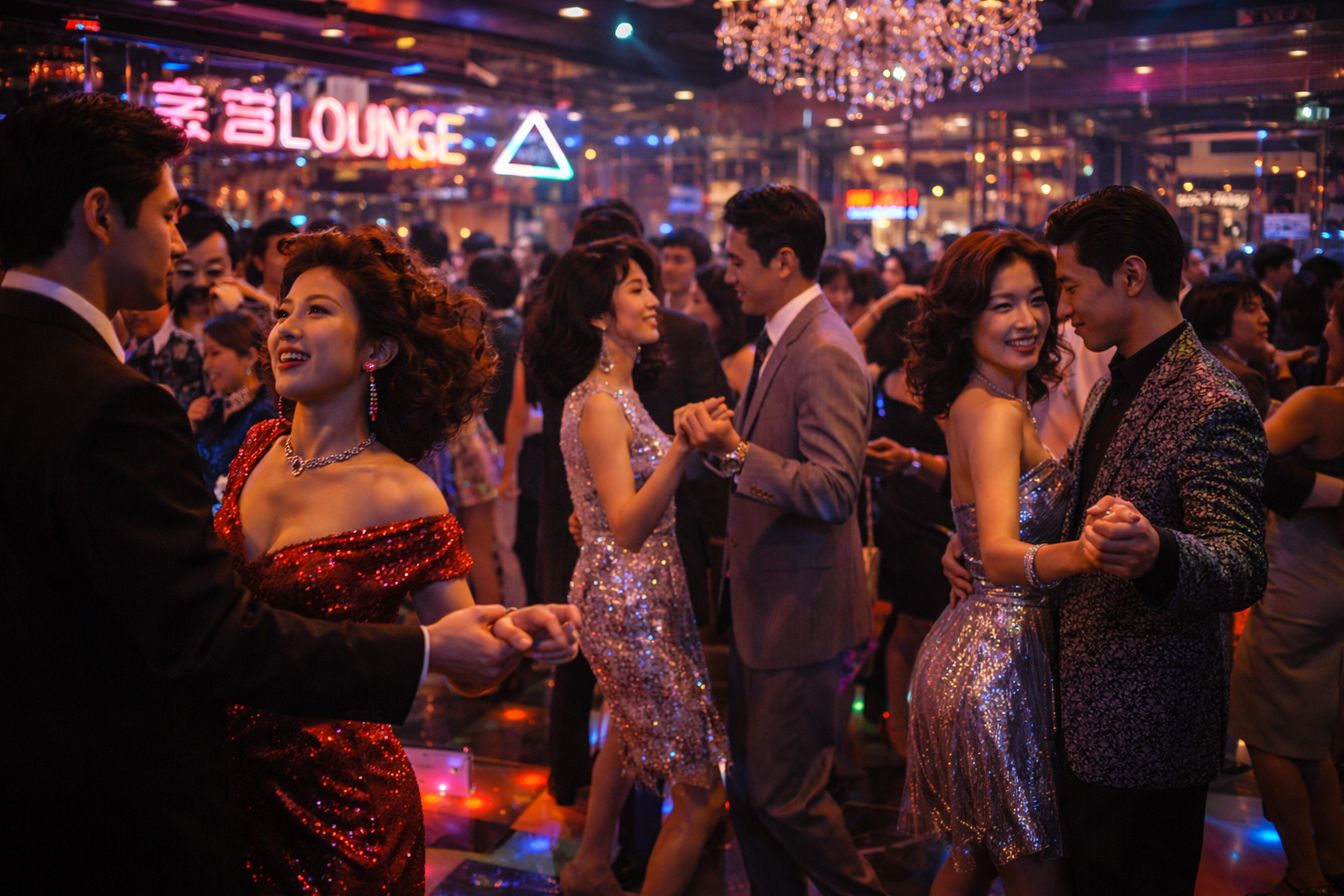
Tokyo in 1989 did not seem to doubt its own momentum. The city felt optimistic, expansive, and sure that it was still climbing. In Roppongi, that mood became even more obvious: champagne, imported music, foreign presence, sharp fashion, and crowds that did not thin out at night.
So the first week was not really a period of adjustment. It was a period of being overwhelmed in the best way. Tokyo did not introduce itself slowly. It came all at once.
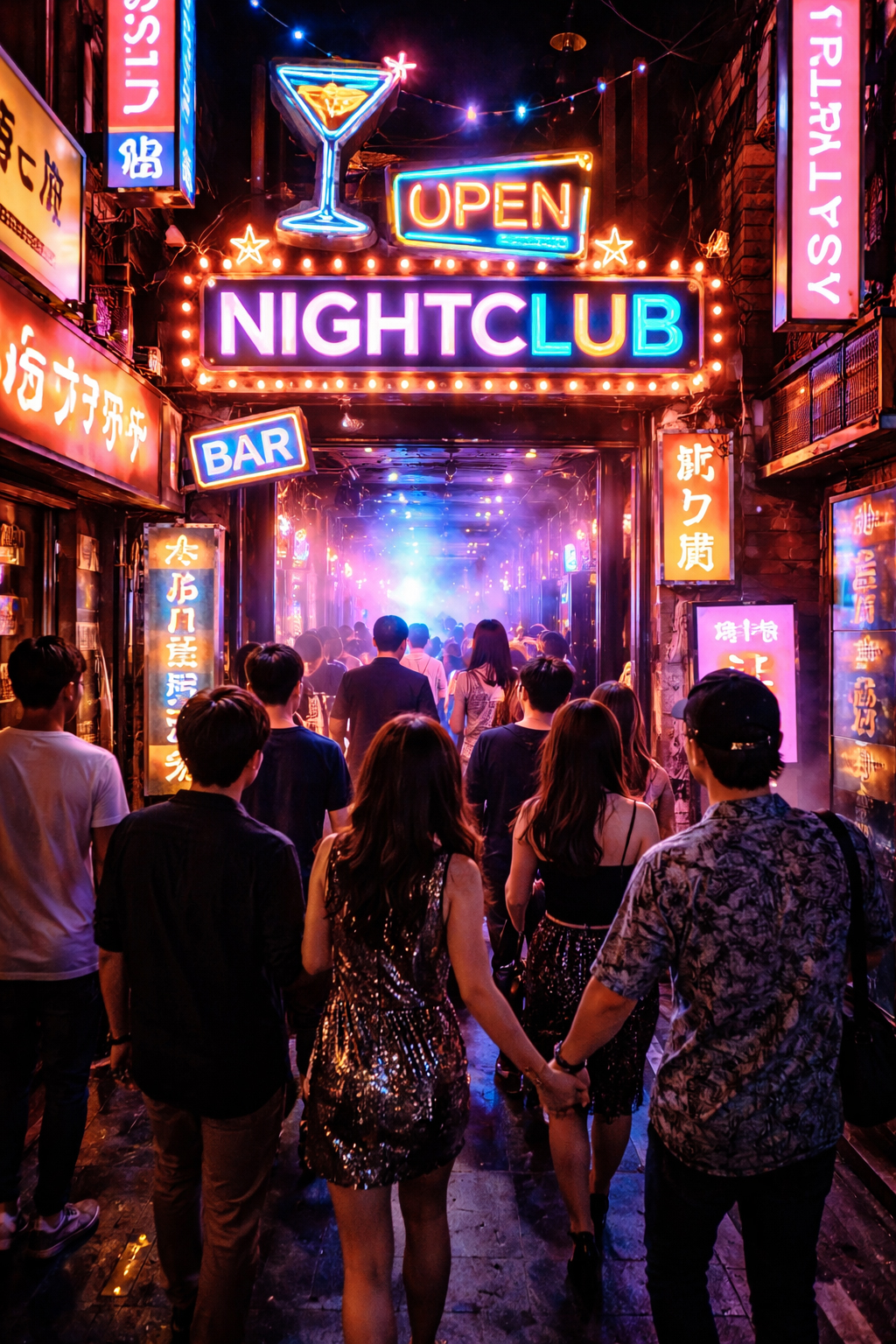
In Roppongi, the street itself started the night before you had even chosen a room.
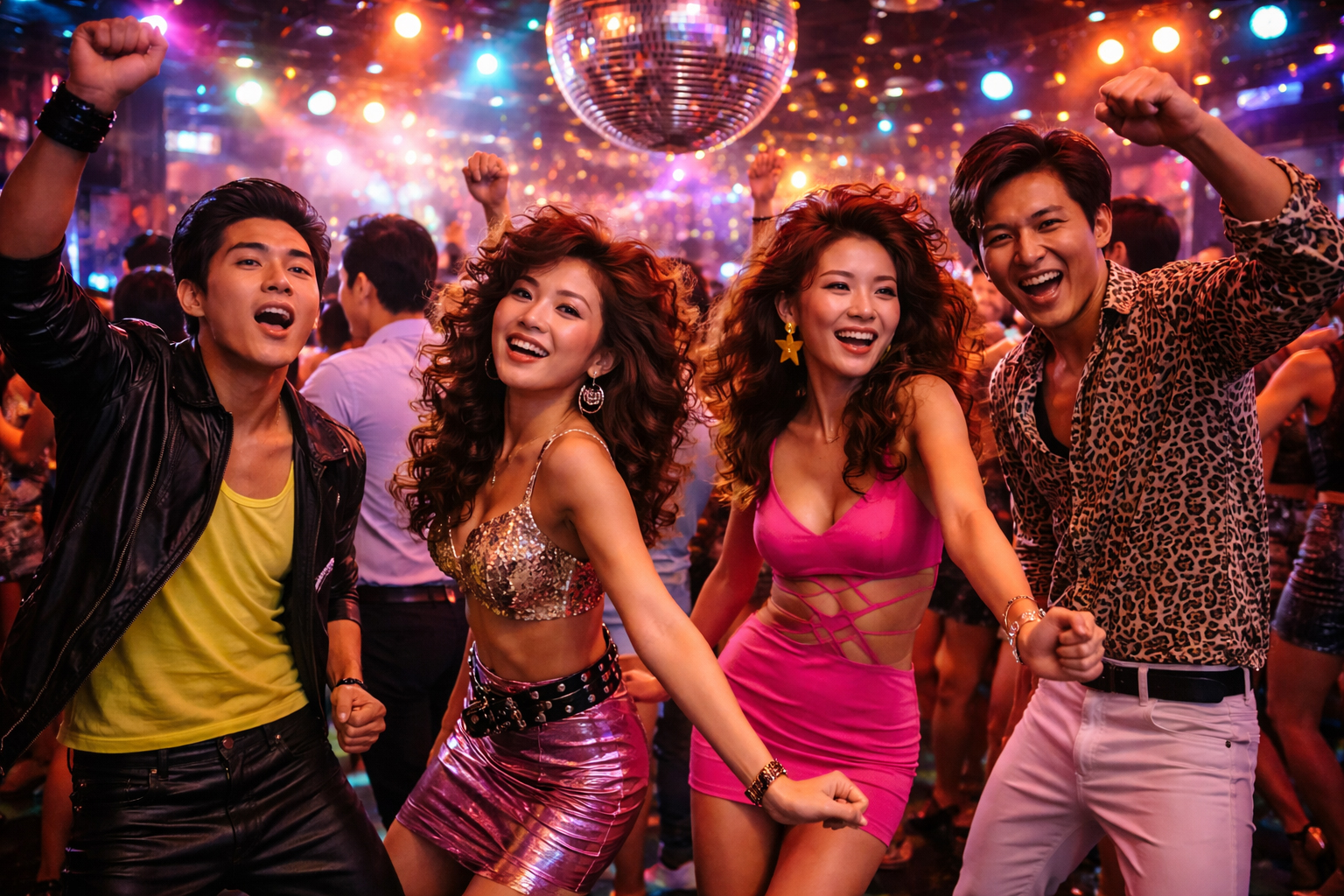
The first week was remembered through pace, heat, and impact before explanation ever caught up.
One of the places that acted as a gateway for me was Java Jive. Roppongi had many venues, but only a few make you feel, “This is the district.” Java Jive had that quality. It felt a little risky, a little flashy, a little funny, and deeply in tune with the district in 1989.
The first venue that makes a city feel real often shapes everything that follows. For me, Java Jive helped define Roppongi as bright, fast, slightly dangerous, and intensely alive from the very beginning.
Another unforgettable part of that first week was Gas Panic. It was a room of momentum more than polish, of collision more than order: laughter, music, alcohol, Japanese and foreign faces, and fast conversation between strangers.
That was where I met Mike. In the conversation, I mentioned that I knew the owners of Shoe Goo, who had sponsored a 10K race I had organized in California. Mike answered, “I was the one selling Shoe Goo in Japan.”
In that moment, Tokyo stopped feeling enormous. During my first week, in one of the loudest rooms in Roppongi, the world suddenly got very small. And that small world became a long friendship.
In the first week, I learned both the size of Tokyo
and the smallness of the world.
One of the strongest things I learned in that first week was that Roppongi nights do not belong to one venue alone. The room matters, but so does the movement between rooms, the people you meet in transit, the threshold energy, the late-night sidewalk, and the feeling that the next thing is always still possible.
That is why my memory of the first week does not survive as a list of venues. It survives as heat, speed, coincidence, laughter, faces, and the color of neon.
The first Roppongi nights are remembered as much through people as through places.
Roppongi’s power lies not only in venues, but in how the night moves between them.
The emotional architecture of the first week can shape how a city is felt for decades.
Later I would see other phases: Motown, the regulatory years, quieter moments, different crowds. But the original version of Roppongi in me always goes back to that first week: bubble energy, Java Jive, Gas Panic, Mike, and the sensation that the district was permanently on the verge of something happening.
The first Roppongi you see becomes your measuring stick. Mine arrived at full power. That is why I still judge later versions of the district against that early brightness.
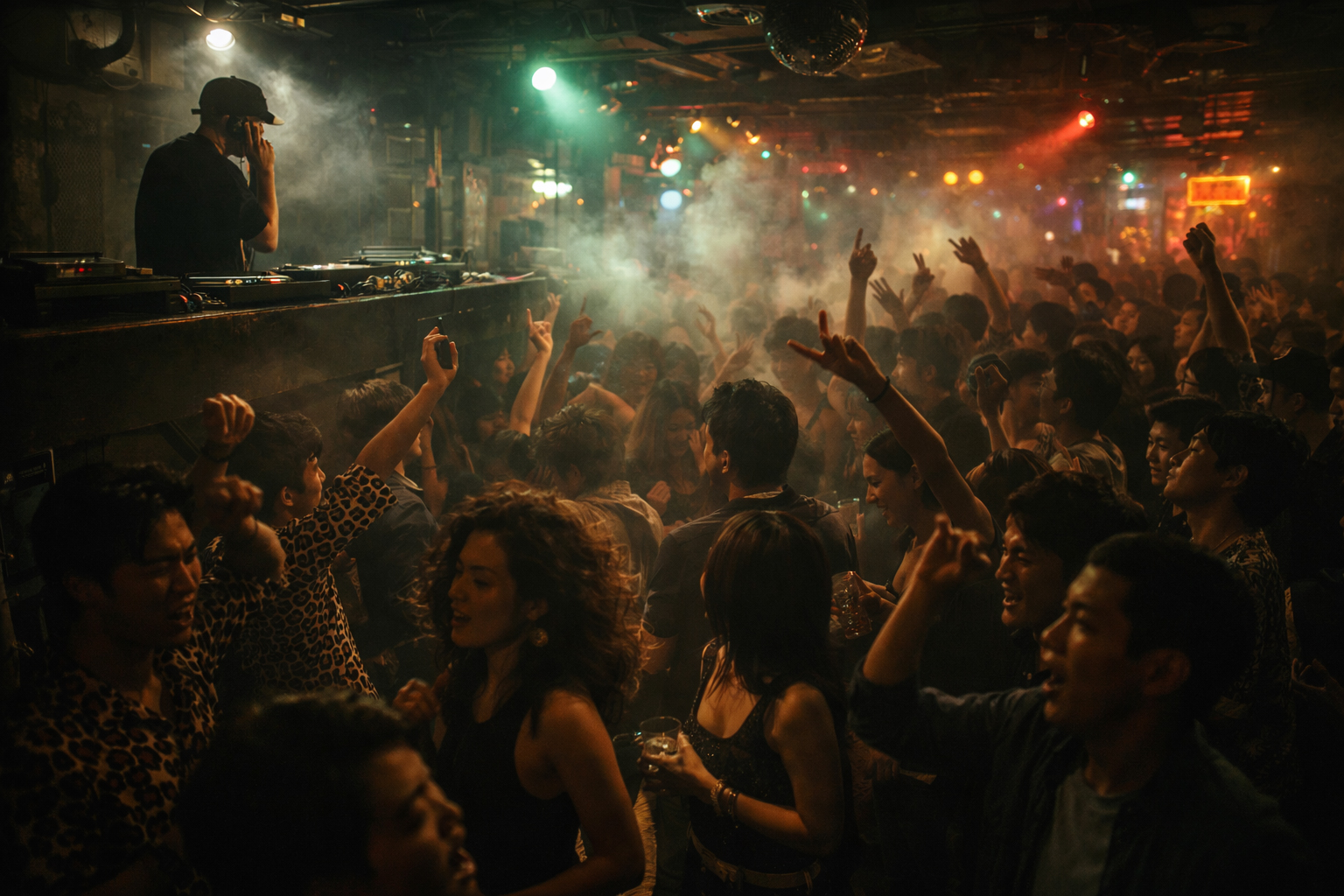
I want to keep “My First Week in Roppongi” on clubs.co.jp because it is more than personal memory. It is an entry point into the Tokyo night of 1989: the heat of the bubble, the pull of the district, the role of venues, the role of coincidence, and the friendships that began there.
In my first week in Tokyo, I learned Roppongi. And through Roppongi, I learned how big, fast, and deeply human Tokyo nightlife could be.
A closer look at one of the first rooms that made Roppongi feel real to me.
The small-world coincidence and friendship that emerged from one wild first-week night.
Why arriving in Tokyo in 1989 shaped the way I would always see the city at night.